Texas puts the data center boom under a microscope
Texas regulators and grid officials are moving into a consequential new phase of the state’s data center buildout. The Electric Reliability Council of Texas, or ERCOT, said it intends to complete a broad audit of large data center proposals by Dec. 10, a deadline that now anchors the state’s response to Gov. Greg Abbott’s call for a pause on new data center interconnections.
The move matters because Texas has become one of the most important proving grounds for the collision between digital infrastructure and electric system planning. Data centers, including facilities tied to artificial intelligence and crypto operations, are showing up in the ERCOT queue at a scale large enough to shape long-term forecasts, reliability planning, and the politics of who gets connected to the grid and when.
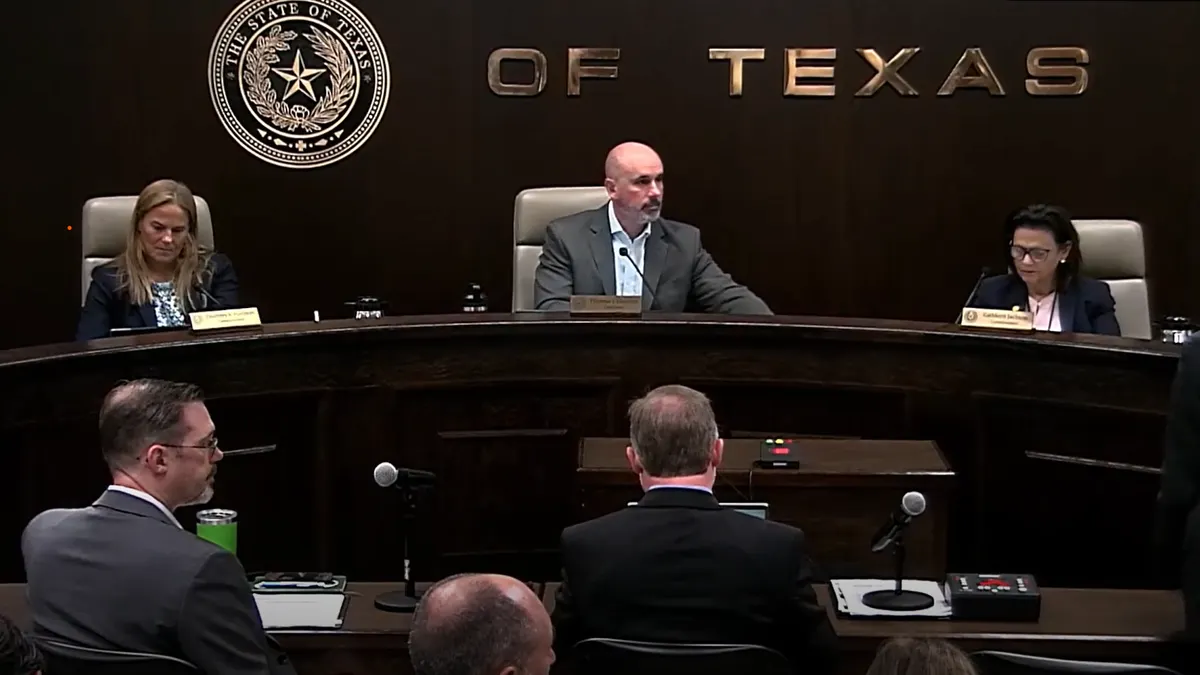
According to Utility Dive’s report, ERCOT officials told the Public Utility Commission of Texas that the audit is a necessary step for the Batch Zero study process to continue and for grid interconnections of these large loads to resume. That makes the review more than a paperwork exercise. It is effectively the gatekeeping mechanism for the first wave of projects navigating the state’s new large-load interconnection process.
Why the pause happened
On Aug. 3, Abbott called for a moratorium on new data center interconnections until the state could answer questions about their use of electricity, water, and public funds. That directive inserted political urgency into an issue that had already been building inside the Texas grid debate: whether the interconnection queue reflects real, financeable projects or a mix of serious plans and speculative placeholders.
ERCOT officials said there are about 300 data centers of 75 megawatts or larger moving through the Batch Zero process. They also said the grid operator will conduct a community impact review for data centers and crypto facilities of 25 megawatts and above in order to comply with Abbott’s directive.
Those thresholds underscore the scale of what Texas is dealing with. A 75-megawatt facility is already a major industrial load. Hundreds of proposals at or above that level can materially alter assumptions about future electricity demand, transmission needs, and reserve margins. Even the 25-megawatt mark catches projects large enough to create local siting and infrastructure concerns.
The queue problem is now impossible to ignore
One of the clearest signals in the report is how large the proposed load pipeline has become. ERCOT’s interconnection queue totals about 474 gigawatts, and roughly 90% of that volume is tied to data centers, according to Abbott’s letter to the grid operator. Experts cited in the report noted that a substantial share may be speculative or duplicative, with the queue standing at more than five times ERCOT’s record peak electricity demand.
That mismatch is central to the state’s concern. Grid planners cannot responsibly build long-range forecasts around every proposed load if many projects will never be built, are counting the same underlying development more than once, or have not secured the commercial foundations needed to move forward. At the same time, developers that are genuine need a clearer pathway than an overstuffed queue can provide.
Texas is therefore trying to solve two problems at once: preserving the state’s attractiveness to large digital infrastructure investors while forcing more discipline into the front end of the interconnection process. The Dec. 10 target is the near-term milestone for that effort.

How the audit will work
ERCOT is developing a request-for-information template for all large loads that are provisionally qualified in Batch Zero. Chad Seely, ERCOT’s senior vice president of regulatory policy and its general counsel and chief compliance officer, said the grid operator expects to start sending those requests as early as the end of August and into the first part of September. Additional rounds could follow through October and November.
That timeline suggests Texas is not merely asking whether projects exist on paper. The purpose of multiple information rounds is to verify proposals in a structured way before the grid operator files its report. The Dec. 10 filing is expected to include a comprehensive report on the verification and audit process.
In practice, that means the state is treating load growth claims with more skepticism than it has in previous cycles. For developers, the implication is straightforward: the burden of proof is rising. Projects that cannot demonstrate seriousness, readiness, or consistency may struggle to stay in line.
Why this matters beyond Texas
The Texas review is not just a regional story. It is an early test of how power systems respond when data center demand arrives faster than traditional planning frameworks were built to handle. AI infrastructure has intensified electricity demand expectations in multiple markets, and regulators are increasingly being asked to distinguish between strategic economic development and speculative queue inflation.
ERCOT’s pause could also ripple into its own planning calendar. Officials said the delay to the first set of projects navigating the new interconnection process may push back other planning efforts, including the grid operator’s long-term load forecast and reliability assessment. That is a notable consequence because those forecasts influence how the market thinks about future scarcity, needed generation, and transmission priorities.
The state is effectively acknowledging that bad inputs can produce bad planning. If projected demand is overstated, the system could be distorted around phantom growth. If real projects are underestimated or delayed without clarity, the state could lose investment or face reliability strains when demand arrives faster than expected. The current audit is an attempt to narrow that uncertainty.
What to watch next
The immediate question is how aggressively ERCOT and Texas regulators filter the queue. A rigorous process could remove weaker applications and improve the credibility of long-term demand forecasts. But it could also slow some projects and sharpen debate over whether Texas is preserving grid reliability or introducing new friction into one of its fastest-growing infrastructure sectors.
Another key issue is how community impact reviews are applied to data centers and crypto facilities of 25 megawatts and above. Abbott’s directive explicitly raised concerns about water use and public funds, broadening the conversation beyond pure power demand. That means future approvals may hinge not only on grid feasibility, but also on how projects affect local resources and public policy goals.
For now, the message from Texas is clear. The state is not closing the door on data centers, but it is demanding a more credible accounting of who actually intends to plug in, how large those loads will be, and what they will mean for the grid. In a market where digital infrastructure ambitions have outrun planning certainty, that shift alone is significant.
- ERCOT aims to complete its audit of large data center proposals by Dec. 10.
- The review follows Gov. Greg Abbott’s Aug. 3 call for a moratorium on new data center interconnections.
- Officials said about 300 data centers of 75 MW or more are in the Batch Zero process.
- The state is also planning community impact reviews for data centers and crypto facilities of 25 MW and above.
This article is based on reporting by Utility Dive. Read the original article.
Originally published on utilitydive.com