Scarcity is turning spark plugs into a recycling target
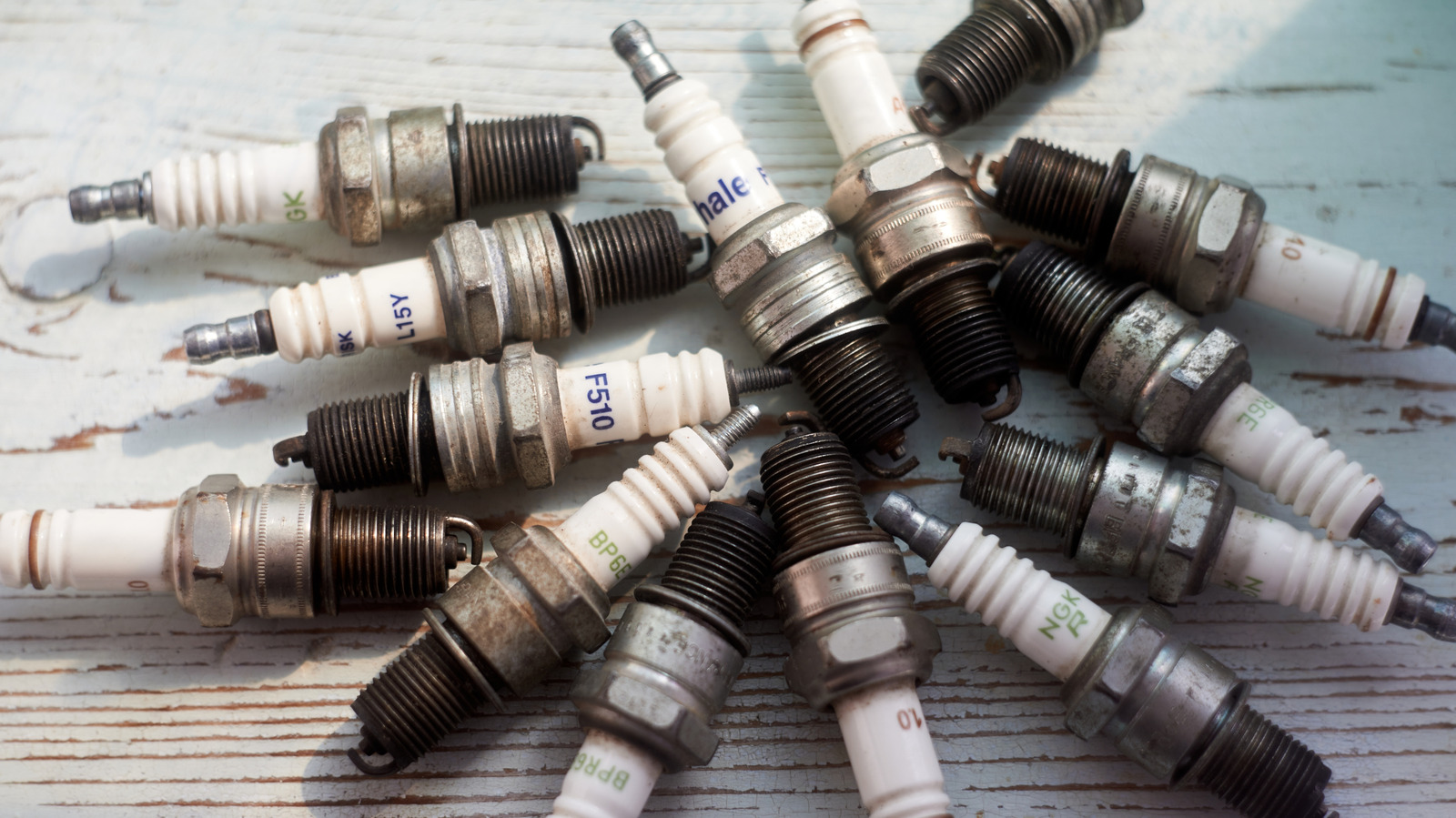
Spark plugs are easy to overlook. They are small, inexpensive compared with larger vehicle components, and usually disappear into regular maintenance schedules. But the latest reporting from Jalopnik highlights why used plugs are becoming more strategically important: many of them contain iridium and platinum, two metals whose value has made recovery far more attractive than it used to be.
A typical spark plug can include steel, copper, and nickel, but longer-life designs often rely on platinum or iridium. Jalopnik notes that iridium is especially prized because it resists corrosion extremely well, is extremely hard, and can tolerate very high temperatures. Those characteristics help explain why iridium plugs have become common in applications that demand durability and steady performance.
The same properties that make iridium useful also make it expensive. The article says iridium is one of the rarest elements in Earth’s crust, and that rarity collides with demand from several industries. Automotive engines are only one part of the picture. Jalopnik reports that the electrochemical industry uses about 3.1 tons of iridium annually, electronics manufacturers consume about 2 tons on average, and spark plugs account for roughly 1.7 tons a year. At a cited market price of about $7,900 per ounce, that automotive slice alone represents a large materials bill.
Why recovery lagged for so long
For years, used spark plugs mostly ended their lives as low-value scrap. Jalopnik says recyclers often ground the iridium and platinum together with scrap steel, effectively ending the useful life of the precious metals rather than recovering them for another industrial cycle. That outcome was not mainly about lack of interest. It was about economics and process difficulty.
The article says spark plug recycling only really became viable in 2021. Before that, the combination of iridium’s hardness, its high melting point, and the tiny quantities present in each plug made recovery difficult to justify. Earlier attempts were either too labor-intensive or too inefficient to make economic sense. In other words, the barrier was not whether the metal mattered, but whether anyone could separate enough of it at a cost the market would tolerate.
That equation appears to be changing. When a material is both technically valuable and structurally scarce, even small waste streams can become worth pursuing. A single used spark plug does not hold much iridium or platinum. But scaled across fleets, service centers, scrapyards, and global replacement cycles, the metal content becomes significant enough to attract dedicated recovery efforts.

What changed in the market
The most important shift is straightforward: iridium is too valuable to keep throwing away. Jalopnik describes a market where demand is rising while supply remains constrained, because iridium is rare and is gathered largely as a byproduct of nickel refining. That means producers cannot simply scale iridium mining independently in the same way they might scale a more abundant metal. Supply is structurally linked to another extraction process.
This is where recycling becomes more than an environmental talking point. It becomes a supply strategy. Recovering iridium and platinum from used spark plugs does not just reduce waste. It potentially creates a secondary stream of strategically useful material without the long lead times and extraction constraints tied to primary supply.
That matters because spark plugs sit in an unusual place in the industrial ecosystem. They are mass-market components, but some of their key inputs are anything but ordinary. The gap between the everyday nature of the product and the exceptional rarity of its constituent metals is exactly why this story is more important than it first appears.
Why the shift could spread
There is a broader lesson in the spark plug case. Modern products often contain small amounts of highly specialized materials that are easy to ignore until pricing or scarcity forces attention. Once recovery techniques improve, previously neglected waste streams can turn into meaningful sources of supply.
Jalopnik’s reporting suggests that spark plugs are entering that phase now. The old assumption that used plugs were only worth their steel content no longer holds if recyclers can economically recover iridium and platinum. That could change how automakers, repair networks, recyclers, and materials processors think about end-of-life handling.
It also reframes the value of automotive maintenance waste. A discarded part is not necessarily a dead end. In some cases, it is a concentrated packet of difficult-to-source industrial inputs waiting for a process good enough to unlock it.
Why this matters
- Iridium demand is not limited to cars, so competition for supply is broad.
- Recovery became more attractive as prices and scarcity made waste harder to ignore.
- Automotive scrap streams may increasingly be treated as strategic materials reservoirs, not just metal junk.
Spark plug recycling is still a niche story compared with battery recycling or large-scale metal recovery. But it points to a wider industrial reality: when critical materials become scarce enough, even the smallest parts start to look like mines.
This article is based on reporting by Jalopnik. Read the original article.

Originally published on jalopnik.com