Volkswagen is repositioning for Europe’s toughest EV battleground
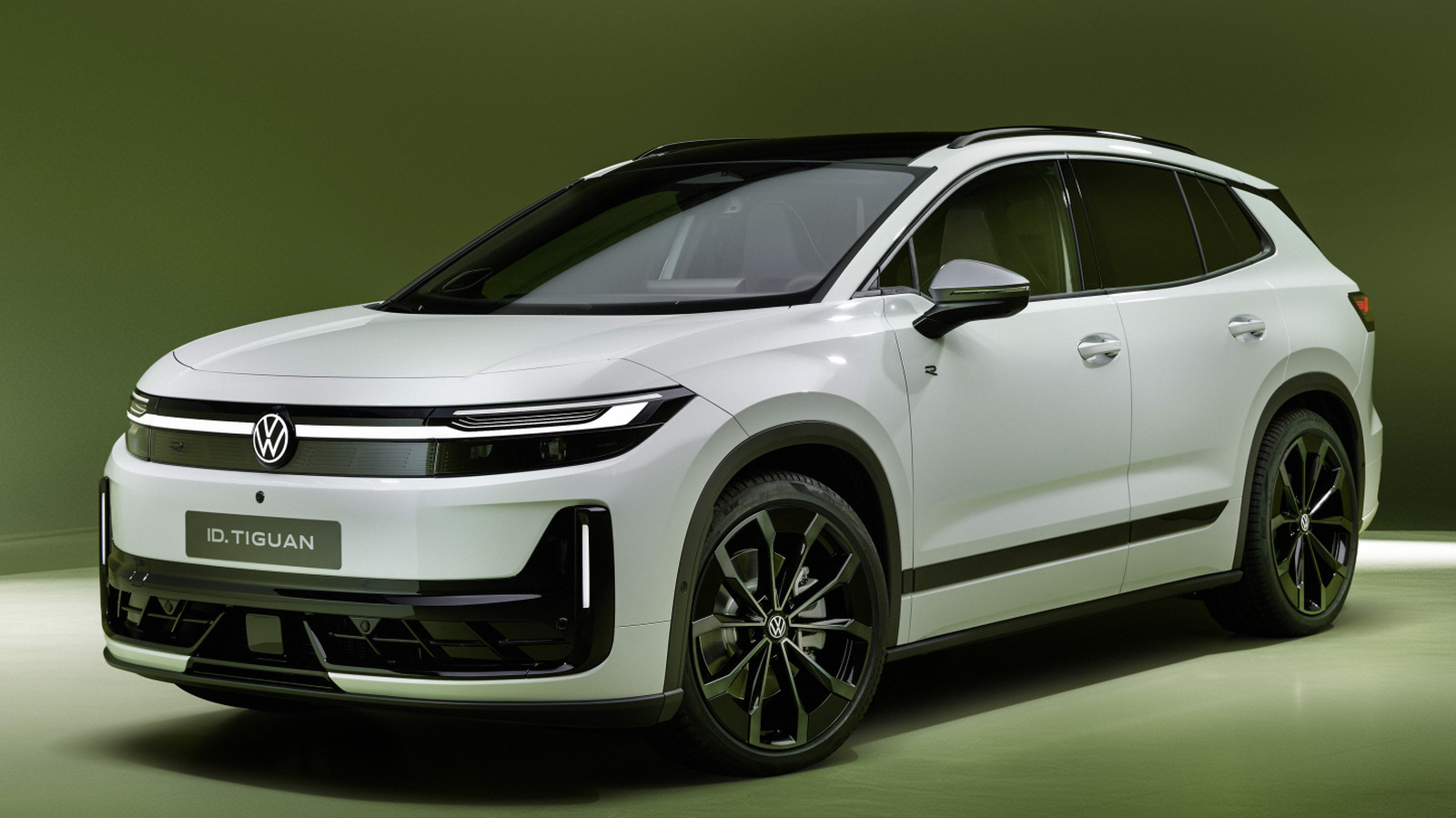
Volkswagen’s plan to keep its mass-market lead in Europe is becoming clearer: build a new family of entry-level electric vehicles designed for the region’s urban mainstream and use that lineup to defend ground against lower-priced Chinese competitors.
The immediate focal point is what Automotive News describes as Volkswagen’s Electric Urban Car Family. The strategy is not framed around luxury, halo products, or premium technology showcases. It is about reclaiming the company’s mass-market identity while fighting for relevance in the lower end of Europe’s electric-vehicle market, where affordability is becoming decisive.
That is a consequential shift because Europe’s EV transition is no longer defined only by early adopters willing to pay a premium. The next phase will be decided by buyers looking for smaller, cheaper, practical cars. That is precisely the segment where Chinese manufacturers have been applying pressure and where incumbent European automakers have had to rethink product planning.
The ID Cross signals where VW sees demand
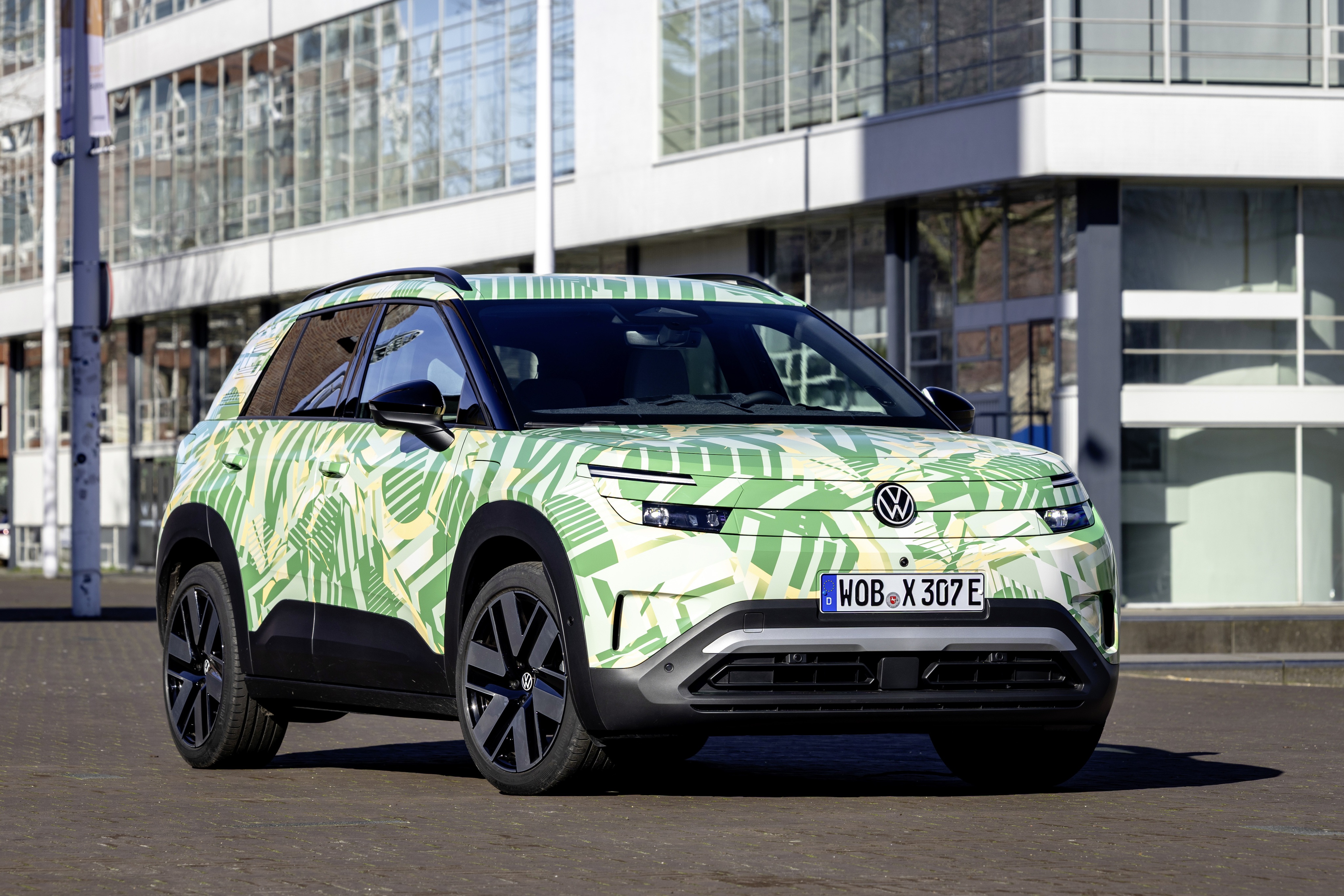
One concrete sign of that strategy is the ID Cross, presented as a near-production model and described as the electric counterpart to the VW T-Cross small SUV. According to the source material, it is expected to compete against the Renault 4 and Fiat Grande Panda. That comparison says a lot about the intended market position.
Volkswagen is not merely electrifying an existing nameplate and hoping brand familiarity will do the rest. It is targeting a hotly contested part of the market where vehicle size, pricing discipline, and urban usability matter as much as software features or acceleration figures. The choice of rivals suggests a focus on compact, accessible EVs that can appeal to broad volumes rather than niche buyers.
The use of the phrase reclaim its mass-market identity is also telling. Volkswagen has long depended on a reputation for practical, widely attainable cars in Europe. The EV transition, however, has complicated that identity. Early electric offerings across the industry often arrived with higher prices and more premium positioning, creating space for new entrants or lower-cost challengers.
Volkswagen now appears to be responding by treating affordability as strategic, not secondary.
Why the timing matters
The entry segment is where the economics of electrification become politically and commercially sensitive. Governments want adoption. Consumers want lower running costs. Manufacturers need volume. But if EVs remain too expensive for mainstream households, the transition slows and competitors with lower-cost structures gain an opening.
That is why the source’s reference to lower-priced Chinese EVs matters so much. Chinese brands have become a central competitive force in Europe’s electric market by combining price pressure with increasingly credible products. For European automakers, the threat is not abstract. It goes to the heart of who controls the future small-car market.
Volkswagen’s response suggests the company believes it still has an advantage in brand recognition, dealer presence, and product relevance if it can close the affordability gap. An urban electric family gives it a platform-level answer rather than a one-off model response. If successful, that approach could help spread development costs and create a recognizable range for buyers who want an EV but not a premium-priced one.
What this means for the European EV race
The broader significance of Volkswagen’s plan is that it shows how the European EV race is moving downstream. Premium models remain important for image and margins, but the strategic center of gravity is shifting toward city cars, small crossovers, and practical everyday vehicles. Those are the models that can move from policy-driven adoption to truly mass adoption.
Volkswagen’s challenge is that being a large incumbent can cut both ways. Scale can support manufacturing and distribution, but legacy cost structures can make it harder to match the lean pricing of newer challengers. The article’s framing implies that Volkswagen knows it cannot rely on brand alone. It needs a credible product family purpose-built for this fight.
The company’s emphasis on mass-market leadership also reflects a regional reality. Europe is not one uniform EV market. Demand patterns, incentive structures, and charging conditions vary across countries. A lineup aimed at urban, entry-level use gives Volkswagen a way to address the broadest possible set of customers without depending on the premium end to carry the transition.
A strategic test, not just a product launch
This is why the story deserves attention beyond auto industry circles. Volkswagen’s urban EV move is effectively a test of whether established European manufacturers can adapt to the next stage of electrification while holding off lower-cost international rivals.
If the strategy works, Volkswagen strengthens the argument that Europe’s incumbent automakers can remain central to the electric era by redesigning their portfolios around affordability and volume. If it fails, the consequences will extend beyond one model line. It would reinforce the view that the most contested part of the EV market is where traditional leaders are most exposed.
The near-production status of the ID Cross makes this more than a concept-stage discussion. It indicates the plan is moving toward market reality. And the specific competitive set named in the source suggests Volkswagen knows exactly where the battle will be fought.
What to watch next
- How aggressively Volkswagen prices the Electric Urban Car Family in relation to Chinese rivals.
- Whether the ID Cross can translate brand familiarity into genuine entry-level EV demand.
- How quickly competing European brands respond in the same segment.
- Whether buyers view Volkswagen’s new electric small-car strategy as practical mass-market mobility rather than a compromised budget offer.
Europe’s EV transition is entering the phase where mainstream buyers matter most. Volkswagen’s urban electric strategy is a direct attempt to meet that moment and keep the company’s long-held mass-market status from slipping in the process.
This article is based on reporting by Automotive News. Read the original article.
Originally published on autonews.com