Caught Testing in Europe
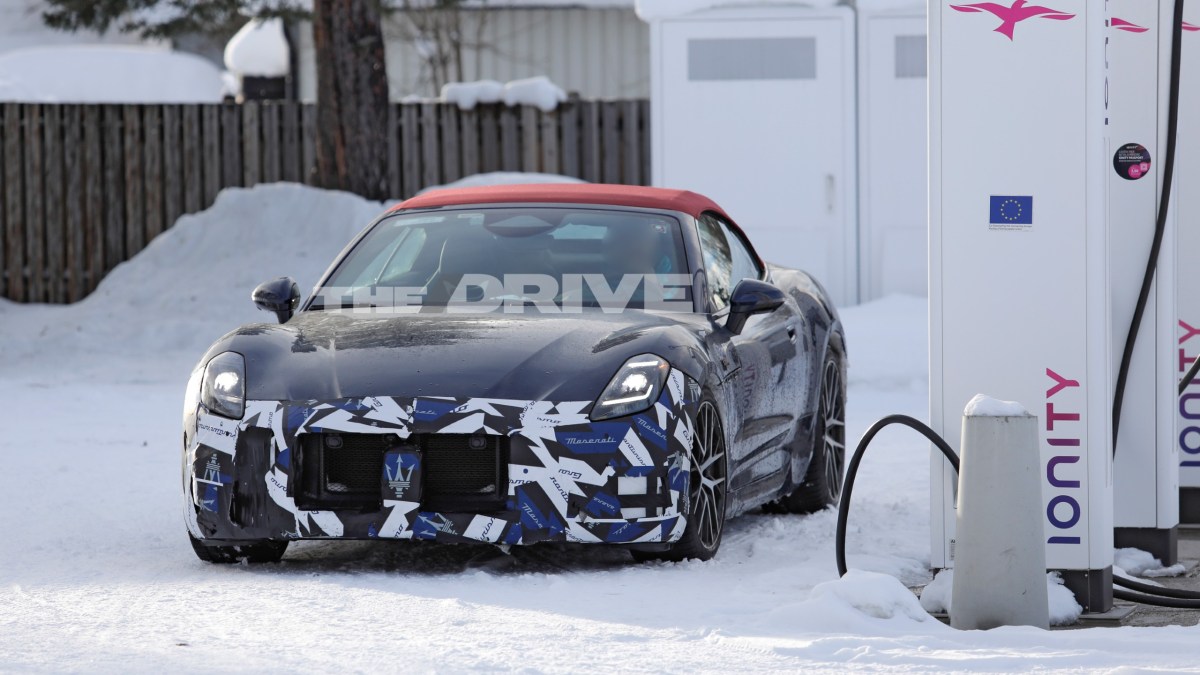
New spy photographs have emerged showing camouflaged prototypes of facelifted Maserati GranTurismo and GranCabrio models undergoing testing on European roads. The images reveal exterior updates to both the coupe and convertible variants that suggest Maserati is preparing a mid-cycle refresh for its flagship grand touring cars, with production expected to begin in late 2026 or early 2027.
The prototypes show revised front fascias with reshaped air intakes and updated lighting signatures, while the rear of both models appears to feature new taillight designs and modified bumper treatments. While the camouflage conceals specific details, the proportions and overall silhouette remain unchanged from the current models, indicating that the facelift focuses on cosmetic updates rather than structural changes to the platform.
Why Maserati Needs This
The timing of the facelift is closely linked to Maserati's precarious market position. Sales have declined sharply over the past several quarters, with the brand struggling to find its footing in an increasingly competitive luxury market. The GranTurismo, which was launched to strong reviews for its driving dynamics and design, has not translated critical praise into the sales volumes Maserati needs to sustain its operations as a standalone luxury brand within the Stellantis portfolio.
The sales challenge reflects multiple factors. The GranTurismo's price positioning places it in direct competition with Porsche, Aston Martin, and Bentley — brands with stronger market identity and more established dealer networks. Maserati's brand perception has suffered from years of inconsistent product quality and a diluted lineup that included mass-market-priced SUVs alongside six-figure grand tourers, confusing potential buyers about what the brand represents.
The Electric Dimension
Particular attention will be paid to how the facelift affects the GranTurismo Folgore, the all-electric variant that represents Maserati's entry into the high-performance electric GT segment. The Folgore has generated interest among EV enthusiasts and luxury buyers curious about electric grand touring, but sales have been modest. The facelift may include battery and powertrain updates that improve range and charging speed, addressing two areas where the current Folgore trails behind newer electric competitors.
Maserati has committed to an all-electric future, making the Folgore's success critical to the brand's long-term strategy. If the facelifted model can deliver meaningful improvements in electric range while maintaining the driving character that earned the GranTurismo praise, it could position Maserati as a credible player in the luxury EV segment. If the updates are purely cosmetic, however, the Folgore risks falling further behind as competitors introduce new electric GT models with superior specifications.
GranCabrio Updates
The GranCabrio convertible variant appears to be receiving the same exterior updates as the coupe, maintaining the visual consistency between the two body styles that has been a Maserati design tradition. The convertible segment is smaller than the coupe market, but it occupies an important brand-image role — open-top grand tourers are aspirational vehicles that generate media attention and showroom traffic disproportionate to their sales volume.
The GranCabrio faces even steeper competition than the coupe, as the convertible GT market has been contracting globally. Porsche's 911 Cabriolet, the Bentley Continental GT Convertible, and the Aston Martin DB12 Volante all compete for a shrinking pool of buyers willing to pay a premium for a convertible grand tourer. Maserati's challenge is to offer something distinctive enough to justify consideration alongside these established alternatives.
Stellantis Context
The facelift arrives during a turbulent period for Stellantis, Maserati's parent company, which has been restructuring its brand portfolio and evaluating the long-term viability of its luxury divisions. Reports have periodically surfaced about potential changes to Maserati's organizational status within Stellantis, including possible partnerships or partial sales that could alter the brand's direction and investment levels.
For now, the facelift signals that Stellantis continues to invest in Maserati's current product lineup, even as broader strategic questions remain unresolved. The refreshed GranTurismo and GranCabrio will need to demonstrate that Maserati can compete effectively in the luxury GT market — not just with attractive designs and engaging driving dynamics, which the current models already deliver, but with the brand strength, dealer experience, and long-term ownership proposition that ultimately drive purchase decisions in this segment.
This article is based on reporting by The Drive. Read the original article.
Originally published on thedrive.com