Europe Embraces the Range Extender
Extended-range electric vehicles — cars with a small combustion engine that acts as a generator to charge the battery rather than directly driving the wheels — have been a dominant technology in China's EV market for several years. BYD's DM-i hybrid system, which uses this architecture, has been central to the company's remarkable sales growth. SAIC and several other Chinese manufacturers have similarly invested heavily in range-extended platforms.
European automakers have been slower to move in this direction, constrained by regulatory regimes focused on battery-electric vehicles and by competitive dynamics that pushed toward full electrification. Renault's announcement that its next-generation platform will offer an extended-range configuration marks a significant signal that European manufacturers are reconsidering that positioning — driven by consumer demand for longer-range capability without the anxiety of depending entirely on charging infrastructure that remains patchy across much of the continent.
The Technical Architecture
The Renault extended-range system pairs a battery pack capable of substantial pure-electric range with a compact combustion engine that runs as a generator when the battery falls below a threshold. The engine never directly drives the wheels; all propulsion comes from the electric motors. This architecture simplifies the drivetrain relative to a conventional parallel hybrid while delivering the range reassurance that many European consumers cite as their primary barrier to EV adoption.
The claimed total range of 1,400 kilometers under combined conditions is an extraordinary figure for a mainstream consumer vehicle. It is achieved not through an enormous battery — which would add cost and weight — but through the range extender's ability to regenerate charge on the move, effectively eliminating range anxiety for long-distance journeys while preserving the performance and efficiency benefits of electric propulsion in urban and short-trip use cases.

The Scenic and Rafale as Launch Vehicles
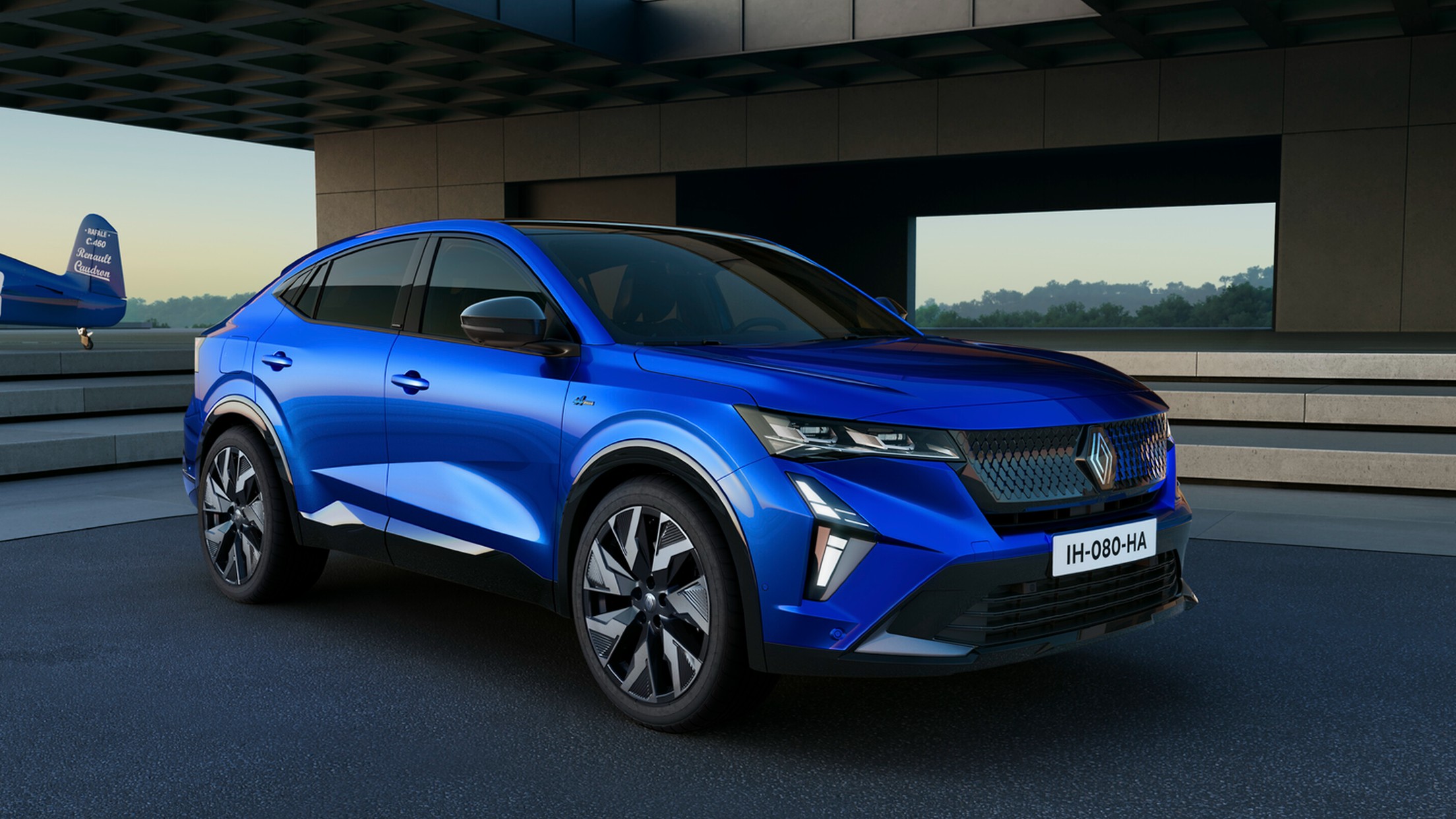
Renault has chosen the Scenic and Rafale SUVs as the first models to receive the extended-range platform. Both are positioned in the mainstream European market segment where range anxiety concerns are most acute — family vehicles used for a mix of urban commuting and occasional longer journeys, for which current pure-battery EV infrastructure is adequate for daily use but creates planning friction for road trips.
The Scenic, relaunched as an electric crossover in 2023, has been well-received in the EV format. Adding an extended-range variant creates a product line that can serve both committed EV adopters who will rarely use the combustion backup and transitional buyers who want electric capability with conventional range insurance — a broader market than either a pure EV or a conventional hybrid can address.
Regulatory Complexity
The extended-range architecture creates some regulatory complexity in the European context. The EU's 2035 mandate on new vehicle sales prohibits the sale of new internal combustion engine vehicles — but explicitly allows e-fuels and, under current interpretation, extended-range vehicles that can be demonstrated to operate primarily on electric power. Renault will need to navigate certification requirements carefully to ensure the extended-range Scenic and Rafale qualify for zero-emission incentives and comply with increasingly stringent EU fleet CO2 average requirements.
The company has signaled that the combustion engine in the extended-range system will be designed to run on synthetic fuels as well as conventional petrol — a future-proofing move that provides regulatory headroom as the fuel landscape evolves over the system's lifespan.

The Competitive Context
Renault's move reflects broader pressure on European automakers from Chinese competition. Chinese EVs and extended-range vehicles are entering European markets with cost structures and range capabilities that European manufacturers struggle to match. The EU's tariff actions have slowed Chinese import penetration but not halted it, and the underlying technology and cost challenge requires a product response.
Extended-range technology allows European manufacturers to offer Chinese-competitive range capability with European-manufactured drivetrains and regulatory compliance — potentially a more defensible competitive position than trying to match Chinese battery-electric cost structures through supply chain restructuring alone. Renault's willingness to move in this direction may open the door for other European brands to follow.
This article is based on reporting by Automotive News. Read the original article.
Originally published on autonews.com
![Volkswagen's new electric hot hatch delivers more power than the Golf GTI [Images]](https://electrek.co/wp-content/uploads/sites/3/2026/09/Volkswagen-ID.3-GTI-EV-side.jpeg?quality=82&strip=all&resize=1200,628)