Nissan is stretching the life of the current Z
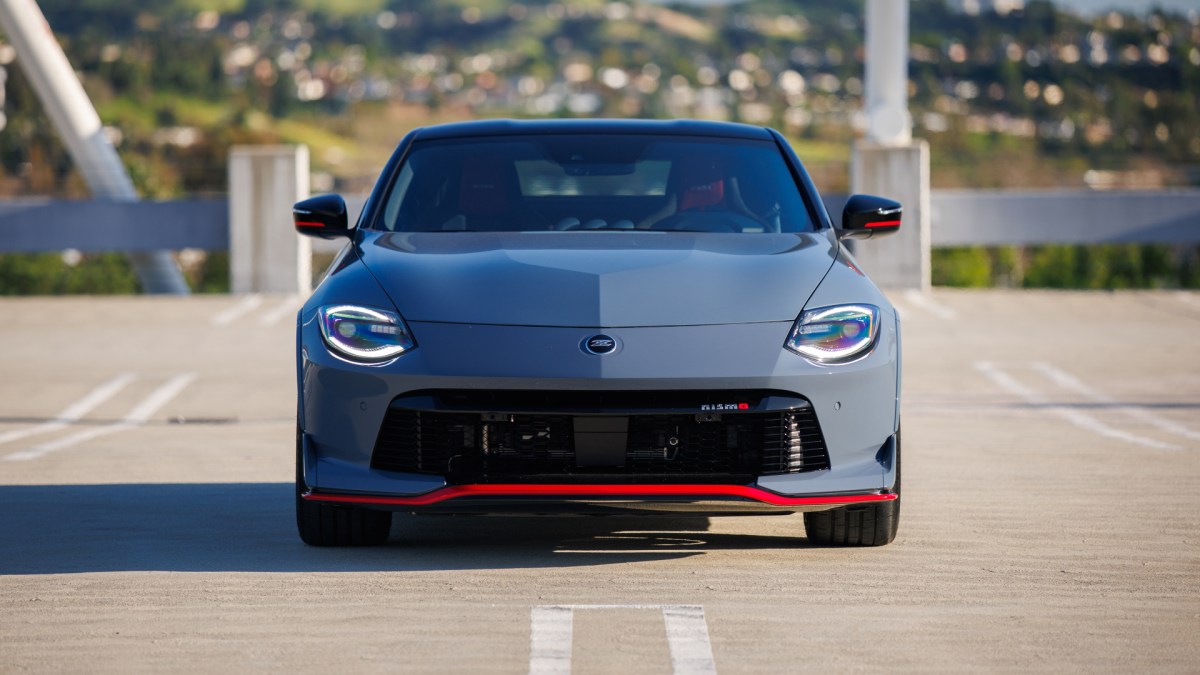
Nissan is making clear that the current-generation Z is not nearing an immediate replacement. According to comments reported by The Drive, the company already has plans for a future successor, but a fully new Nissan Z is not expected until after 2030. That leaves the current car with a long runway, and Nissan appears to be filling that gap with a more deliberate product strategy rather than letting the model fade into the background.
That matters because the Z has already had a turbulent recent history. The current car arrived after years of uncertainty around whether Nissan would continue the nameplate at all. It then launched in 2023 as a 2024 model, only to be followed by a stop-sale affecting automatic-transmission versions. Now, with that instability beginning to settle, Nissan is trying to shift the narrative from interruption to stewardship.
Special editions and heritage are central to the plan
The company’s stated direction is to lean more heavily on the Z’s past. Nissan executive Ponz Pandikuthira told The Drive that the strategy will be heritage-based, with special editions designed to connect the modern car to earlier eras of the Z story. The idea is not a major mid-cycle redesign, but a steady stream of variants and updates that keep the model visible and relevant.
That approach is notable because it directly addresses one of the biggest criticisms of the previous 370Z: stagnation. The older car remained on the market for so long, with so little visible evolution, that it became a symbol of product neglect. Nissan now appears intent on avoiding that pattern. Instead of launching a sports car and letting it sit unchanged, the company is signaling a more active cadence of small but marketable changes.
In practical terms, that means editions, trims, and configuration changes that can attract different buyers without the expense of a full redesign. It is a common strategy when automakers want to extend a model’s life, but in the Z’s case it also serves a branding purpose. Nissan is not only selling a car. It is trying to use one of its best-known enthusiast nameplates to reinforce its identity in the U.S. market.
An order-only sales model changes the buying experience
One of the more immediate changes is the Z’s shift to an order-only model. Dealers will no longer automatically receive inventory allocations and will instead need to request stock. For consumers, that can cut two ways. Fewer cars sitting on lots means fewer spontaneous test drives and less casual visibility. At the same time, it may make it easier for buyers to get the specification they actually want rather than settling for whatever a dealership happens to have on hand.
That is an important distinction for a niche performance car. Enthusiast buyers are often unusually specific about transmissions, trims, colors, and packages. The order-only approach may better suit that behavior, especially for a model that is unlikely to be a high-volume retail staple. Nissan appears to be treating the Z less like a mass-market inventory product and more like a targeted enthusiast offering.
The company has also recently updated the Z and restored a manual gearbox to the high-performance Nismo version, another sign that Nissan sees value in tuning the car for its core audience rather than simply keeping it alive with minimal effort. Those moves fit the broader message: the Z is being maintained as an active part of the lineup, even if a clean-sheet successor remains distant.
Why the Z matters beyond its sales numbers
Sports cars rarely justify themselves on volume alone, and Nissan’s current position makes that reality even sharper. The report says the company wants to use the Z’s heritage to help support its broader U.S. brand image as it works through a recent slump. In that sense, the Z functions as more than a product. It is a statement about what Nissan still wants to represent to buyers.
That is a familiar role for halo models. Even when they sell in modest numbers, they can influence how a brand is perceived across the showroom. A well-maintained Z can project continuity, enthusiasm, and a link to decades of enthusiast credibility. Letting it wither again would send the opposite message.
There is also a discipline to the strategy Nissan is outlining. Extending a car’s life beyond 2030 only works if the company can keep it culturally active. Heritage-themed special editions may help, but only if they feel meaningful and not merely decorative. Buyers tend to recognize the difference between an authentic iteration and a thin badge-and-paint exercise.
For now, Nissan seems aware of that risk. The company’s public framing suggests it understands the reputation the previous Z developed and wants to avoid repeating it. Whether that produces a genuinely lively product cycle or just a prolonged holding pattern will become clearer over the next several years.
The bigger test comes before the next-generation car arrives
The long wait for a new Z now appears to be part of the plan, not a sign of indecision. That puts pressure on the current model to carry the badge through the rest of the decade. Nissan’s success will depend on whether it can turn a long lifecycle into an intentional program instead of a drawn-out pause.
If the company delivers a thoughtful stream of heritage-led variants and keeps the enthusiast formula intact, the Z could remain useful both as a car and as a symbol. If not, the distance to the next full redesign could start to feel less like patience and more like drift. Nissan has time, but it also has a history with this model that makes every idle year more visible than it would be for an ordinary coupe.
For now, the message is straightforward: the current Nissan Z is staying, the next all-new one is years away, and the company plans to bridge that gap with special editions, selective updates, and a tighter enthusiast-focused sales model.
This article is based on reporting by The Drive. Read the original article.
Originally published on thedrive.com