The Xterra is officially back
Nissan has used a wider strategic announcement to confirm the return of the Xterra, one of its better-known off-road nameplates, and to offer a first teaser image of the next-generation model. The image does not reveal the whole vehicle, but it is enough to make one point clear: this is not a rumor cycle anymore. Nissan is bringing the Xterra back in the next few years, and it appears to see the model as part of a larger push to reassert itself in the truck and SUV market.
That matters because the Xterra has long occupied a specific place in the company’s lineup and in consumer memory. It was practical, body-on-frame, and visually distinct, with a reputation built more on utility and personality than on polish. Reintroducing it now suggests Nissan believes there is room for a straightforward, adventure-oriented SUV in a market still crowded with crossovers but increasingly receptive to more rugged products.
What the teaser shows
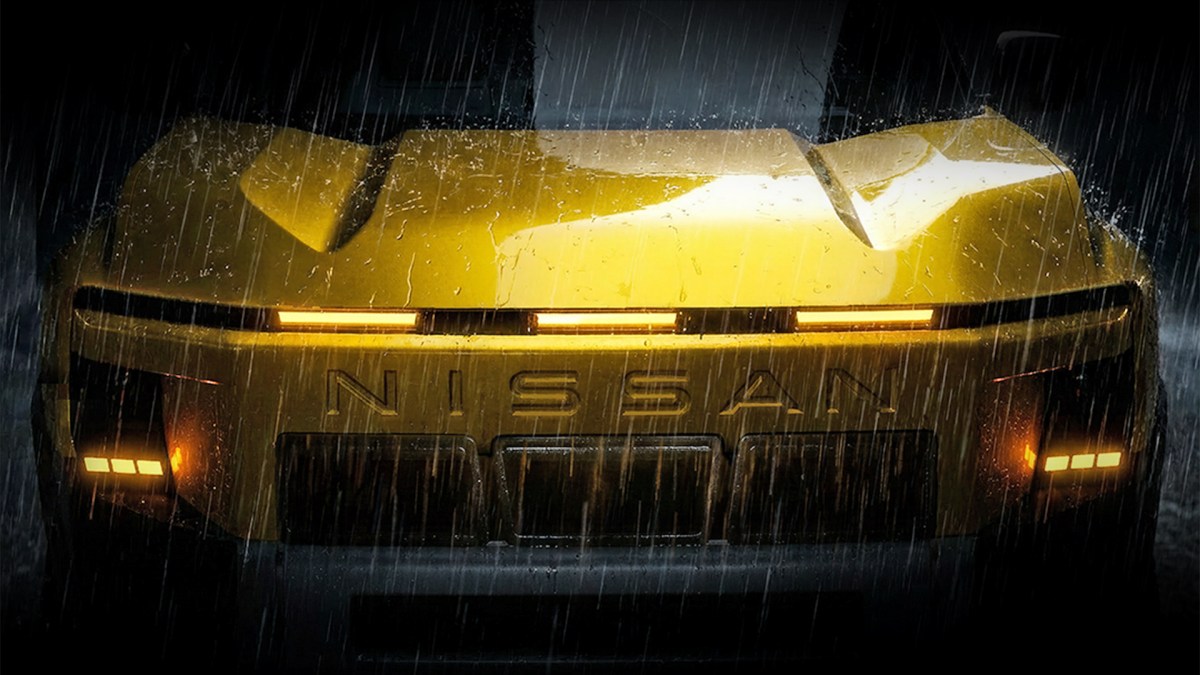
The teaser image reveals a blocky front end with a segmented light bar stretching across the nose, daytime running lights at the edges, lower projector lamps with integrated turn signals, a three-section grille, and pronounced hood lines that frame the fenders. Large NISSAN lettering appears across the front, and the vehicle is shown in yellow, echoing the kind of bold visual identity associated with earlier Xterra generations.
Even with limited detail, the styling direction is easy to read. Nissan appears to be leaning into a squared-off, assertive look rather than softening the model into crossover territory. That is an important product decision. The Xterra name still carries off-road expectations, and a half-step relaunch would have risked pleasing nobody. The teaser instead points toward a vehicle that wants to be recognized immediately as a truck-based SUV.
The Drive notes that the overall motif and lighting signature resemble those of the recently revealed Nissan Frontier plug-in hybrid shown for the Chinese market, though it also stresses that the platform details do not line up one-to-one. The publication says the new Xterra will be built on the actual Nissan Frontier platform while also offering a regular hybrid option. Even without a full spec sheet yet, that framing indicates Nissan is trying to link the Xterra to its pickup heritage rather than detach it from it.
Why the relaunch matters now
The timing is as important as the design. Nissan disclosed the teaser while outlining a broader strategic plan for Nissan and Infiniti, making the Xterra revival part of a wider corporate reset rather than a stand-alone nostalgia play. That context gives the return more weight. If the company is serious about rebuilding momentum, it needs products with clearer identity and stronger commercial potential. A recognizable off-road SUV can help on both counts.
The Drive’s supplied report also says Nissan has been targeting a starting price below $40,000 and has been planning to use a V6 instead of a turbo-four, while using the Xterra as a foundation for a broader family of body-on-frame vehicles. Those details reflect the publication’s prior reporting, but they align with the general idea emerging from the teaser: Nissan wants the Xterra to be accessible enough to sell in volume while still feeling mechanically authentic.
That positioning could matter in a market where buyers often face a sharp divide between soft-road crossovers and increasingly expensive lifestyle trucks. A reasonably priced, genuinely rugged SUV would not have the field to itself, but it would enter a space where demand is still real and branding matters. Xterra is one of the few Nissan names that can plausibly carry that pitch without extensive explanation.
A test of whether Nissan can translate identity into sales
The teaser alone does not tell us how capable the new Xterra will be, what its full powertrain mix looks like, or how Nissan will balance efficiency, cost, and off-road hardware. Those questions will decide whether the relaunch is merely interesting or commercially important. But the first signal is encouraging for Nissan: the company has managed to make the vehicle look recognizably like an Xterra before showing much at all.
That is not trivial. Automotive revivals often falter when old nameplates return carrying little of the original product logic. Here, at least from the first look, Nissan seems to understand what buyers expect the badge to stand for.
The next-generation Xterra is still some distance away, but its reappearance is already a meaningful development for Nissan’s lineup. More than a nostalgic callback, it looks like a bid to restore a kind of product clarity the brand has lacked in recent years.
This article is based on reporting by The Drive. Read the original article.
Originally published on thedrive.com