A television icon is heading back into the spotlight
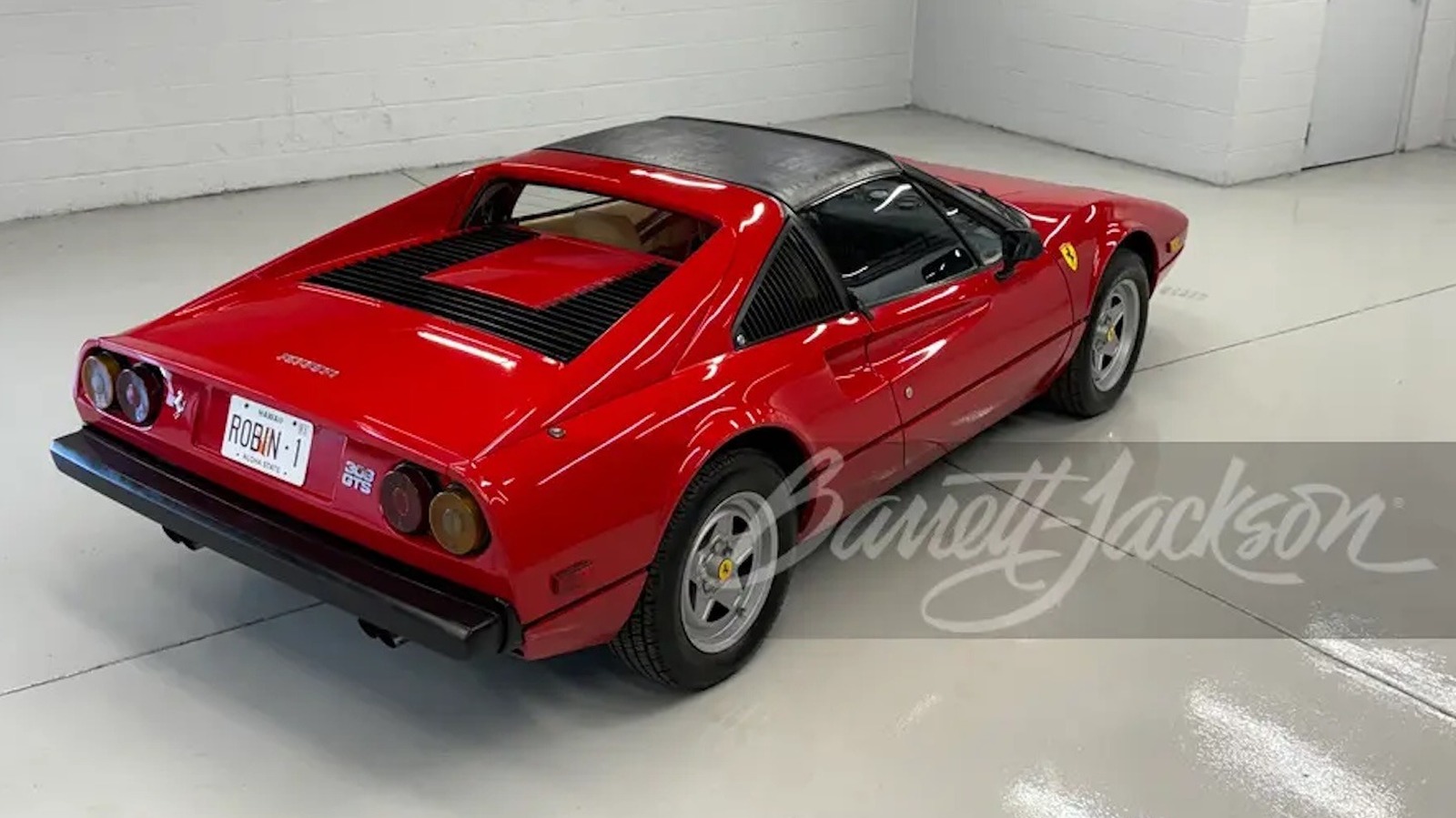
One of the Ferrari 308 GTS cars used in Magnum P.I. is going to auction, giving collectors a rare chance to bid on a vehicle tied directly to one of television’s most recognizable automotive images. According to the supplied source text, the car is slated for Barrett-Jackson’s Palm Beach, Florida auction, scheduled to run from April 16 through April 18.
The headline appeal is obvious. For many viewers, the Ferrari 308 GTS is inseparable from the show’s opening credits and from the image of Thomas Magnum tearing through Hawaii in one of the defining TV cars of the 1980s. But what makes this listing more than a routine classic-car sale is the claim that the car is not merely a replica or tribute build. The source says it is one of the actual cars used in the show and that it has been authenticated by Ferrari historian Marcel Massini and F-Register.
More than a normal collector Ferrari
On paper, a Ferrari 308 GTS is already a desirable object. In cultural terms, though, screen use changes the equation. Film and television provenance can elevate a car from a valuable machine to a piece of entertainment history. That often brings in a broader buying pool: not just Ferrari enthusiasts, but collectors focused on media memorabilia, 1980s nostalgia, and high-visibility crossover assets.
The supplied source text adds several details that reinforce that premium. It says this car was used in the pilot episode as well as the early part of the first season. It also notes that, unlike many screen cars, it appears to have avoided the kind of punishing production life that destroys or heavily alters vehicles used for stunts and repeated shooting.
That matters because originality is one of the strongest currencies in the collector market. A car can gain value from cultural fame, but it can lose value if years of filming leave it too far removed from factory condition. In this case, the report suggests the Ferrari retained much of what makes a 308 desirable in its own right.
The Tom Selleck factor and the practical realities of celebrity cars
The source offers one especially vivid detail about the car’s production use: the primary modification made for filming involved the seats, which were altered so Tom Selleck, listed at six feet four inches tall, could fit more comfortably behind the wheel. That kind of practical adjustment says a lot about how television productions balance authenticity with the reality of getting the shot.
It also adds texture to the car’s story. Collectors do not just buy metal, paint, and drivetrains in cases like this. They buy narrative. The idea that this Ferrari was modified so one of television’s best-known stars could physically operate it on screen is exactly the sort of tangible anecdote that helps a listing stand out.
The source notes that Hagerty says the seats have been returned to original condition, while also saying the auction listing itself does not confirm that point. That distinction is important because provenance-heavy sales live or die on documentation. In other words, nostalgia may bring bidders to the room, but paperwork often determines how far they are willing to go.
Why the 308 still matters
The supplied article also revisits the basics of the car itself: a 2.9-liter quad-cam V8, four Weber carburetors on this example, electronic ignition, and output of around 240 horsepower. Those numbers are no longer extraordinary by modern standards, but performance data is not really the center of the story here.
The real value lies in recognition. The Ferrari 308 remains one of the shapes that instantly telegraphs a certain era of sports-car design and television glamour. Pop culture helped build that image, and pop culture is now part of what the market is buying back.
The source also cites recent value context, saying similar cars have sold in a lower range while noting that a Magnum-related 308 GTB sold for $115,000 last year. That does not establish what this specific car will bring, but it does underline the premium that screen association can create when the right object appears at the right auction.
As auctions increasingly reward stories as much as specifications, the sale serves as a reminder that transportation culture is never only about engineering. It is also about memory, media, and the way certain machines become symbols far beyond their original purpose. This Ferrari’s journey from television prop to auction centerpiece captures that dynamic perfectly.
This article is based on reporting by Jalopnik. Read the original article.
Originally published on jalopnik.com