Two best-selling trucks, two very different depreciation stories
The Ford F-150 and Chevrolet Silverado 1500 dominate the American pickup conversation for familiar reasons: capability, utility, and enormous market presence. But one of the most consequential ownership questions comes after the sale, not before it. Which truck keeps its value better over time? The supplied comparison shows there is no single answer. It depends on which data source is used and how far out the ownership timeline extends.
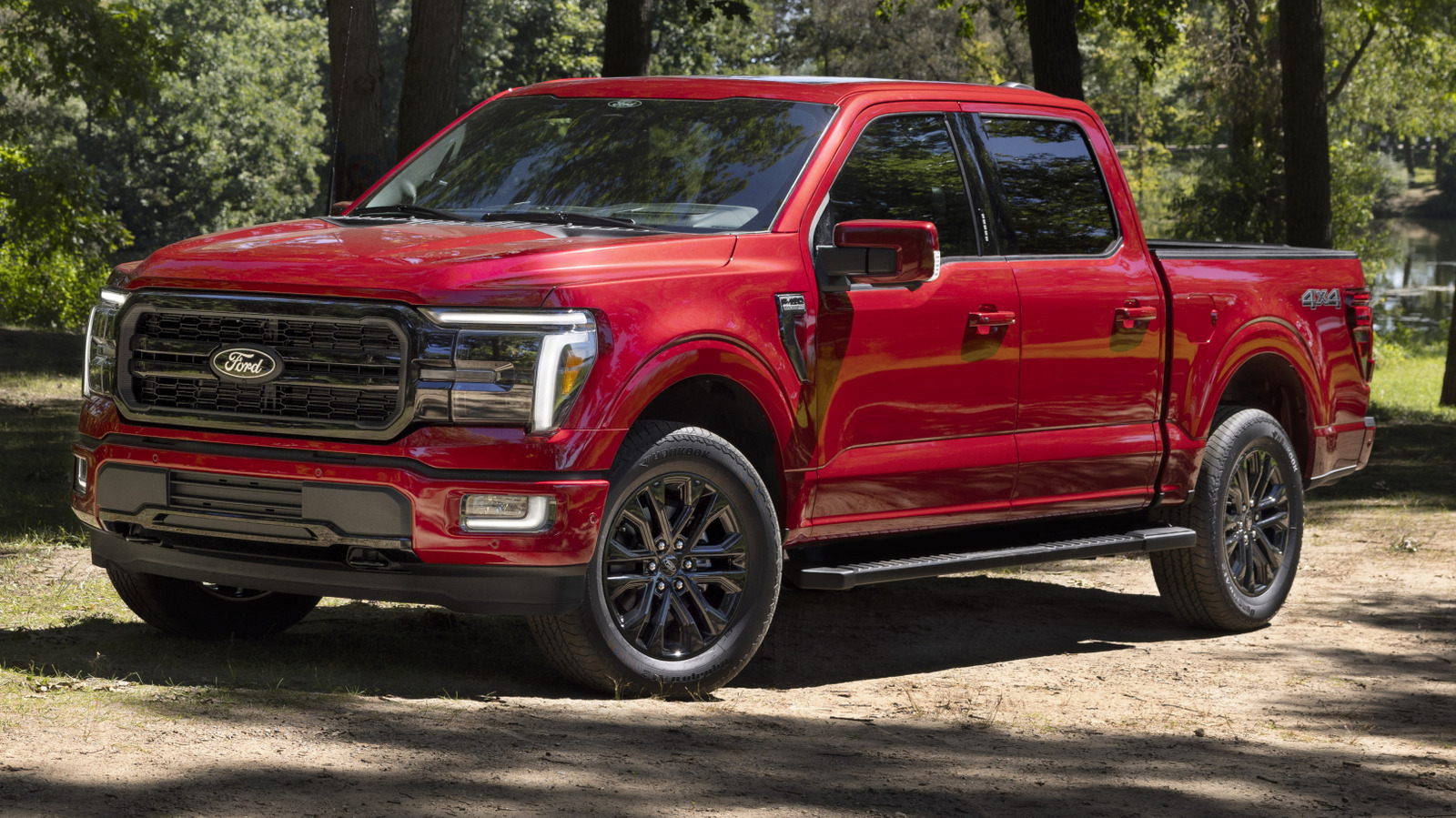
According to CarEdge, a new Ford F-150 is projected to lose about 50% of its value over five years, while a Chevrolet Silverado 1500 is expected to depreciate by 43% in the same period. On that view, the Silverado holds value better. Yet iSeeCars points in a different direction over the first several years. Its analysis projects the Silverado down 28.2% after three years versus 18.8% for the F-150, then 39.3% for the Silverado after five years compared with 37.9% for the Ford. By year seven, the gap is tiny, and by year 10 the two trucks are essentially even.
Why resale value is harder to pin down than buyers expect
The immediate takeaway is that depreciation is not a single statistic. It is a forecast shaped by methodology, timing, market conditions, and the kinds of vehicles included in the data set. A buyer looking for a definitive winner between the F-150 and Silverado may find only conditional answers. The Ford may appear stronger in one window of ownership and the Chevrolet more resilient in another. That is not a contradiction so much as a reminder that resale value is not a fixed trait like engine displacement or bed length.
The comparison is especially interesting because the F-150 often carries a reputation for broader capability. The supplied source notes a maximum towing figure of 13,500 pounds for the 2026 F-150, versus up to 13,300 pounds for the Silverado 1500. The Ford’s popularity and versatility might lead many shoppers to assume it would also dominate on residual value. Yet depreciation does not reward reputation alone. Pricing strategy, fleet mix, incentives, used-market supply, and changing buyer preferences all affect where values land.
That is why used-vehicle pricing can serve as a reality check on forecast models. The source cites Kelley Blue Book in arguing that used-model performance supports iSeeCars’ view that the Silverado’s price drops more steeply earlier on. If that pattern holds, it suggests a market in which the Ford may command stronger near-term used demand, even if long-run differences narrow. For practical buyers, that nuance matters. Someone trading within three years and someone keeping a truck for a decade are not really asking the same resale question.
Ownership strategy matters as much as brand choice
This comparison also shows why resale value should not be treated in isolation. A truck with stronger residuals but a higher purchase price may not automatically be the cheaper ownership decision. Likewise, a truck that depreciates faster on paper may still offer value if it costs less to buy or better matches the owner’s use case. Depreciation is one major cost center, but it is only one part of the total equation.
For the F-150 and Silverado, the story is therefore less about crowning a winner than about exposing how unstable these rankings can be. Both trucks sit near the center of the U.S. pickup market, both are highly capable, and both benefit from huge recognition. Yet even here, where volume and historical data are abundant, resale analysis still produces competing conclusions. That should make buyers cautious about treating any one forecast as settled fact.
The useful lesson is practical rather than tribal. Shoppers should examine resale expectations over the actual period they plan to own the truck, not over an abstract industry average. They should also compare independent sources instead of relying on a single estimate. In the case of the F-150 and Silverado, the difference between a three-year ownership plan and a five-year or seven-year plan materially changes the picture.
Truck buyers often focus on powertrain choices, payload, towing, and features. Those remain important. But the depreciation comparison shows that long-term value is just as much a planning problem as a product problem. Between Ford and Chevrolet, the answer is not that one truck clearly wins and the other clearly loses. It is that resale value, even in America’s most visible vehicle segment, remains a moving target.
This article is based on reporting by Jalopnik. Read the original article.
Originally published on jalopnik.com