F1 Revises Power Unit Regulations for 2027-2028
Formula 1 has officially abandoned its ambitious goal of a 50/50 power split between internal combustion and electric power, with the FIA confirming on Wednesday that the 2027 season will see a revised 58/42 split favoring the internal combustion engine (ICE). The decision comes after drivers raised serious concerns about energy management and safety under the 2026 regulations, which had aimed for an even split but fell short at 53/47.
Under the original 2026 framework, F1 organizers and manufacturers targeted 400kW (536hp) from the ICE and 350kW (469hp) from the MGU-K. However, the electrical component proved underbaked, as teams were forced to rely on the same battery capacity used since 2014 despite more than doubling electrical power output. This led to excessive time spent harvesting energy beyond braking, resulting in lift-and-coasting and what drivers called "super-clipping" — periods where they could not push flat-out.
New Power Split Details
The approved changes for 2027 will deliver 420kW (563hp) from the ICE and 300kW (402hp) from the MGU-K, shifting the split to 58/42. This is the first step toward a 60/40 split for the 2028 season, with an additional increase in combustion power. Peak harvesting power will also rise by 25kW over the next two seasons, reaching 400kW by 2028. These adjustments are expected to significantly reduce lift-and-coasting and super-clipping, allowing drivers to push harder for longer periods.
The fuel flow limit was a major sticking point during negotiations. It was decided to implement a 5% increase for 2027, with a further 13% increase in 2028 to accommodate the added combustion power. Power unit manufacturers had concerns about how quickly they could adapt their engines, but ultimately agreed to the amendments.
Driver Safety Concerns Drive Change
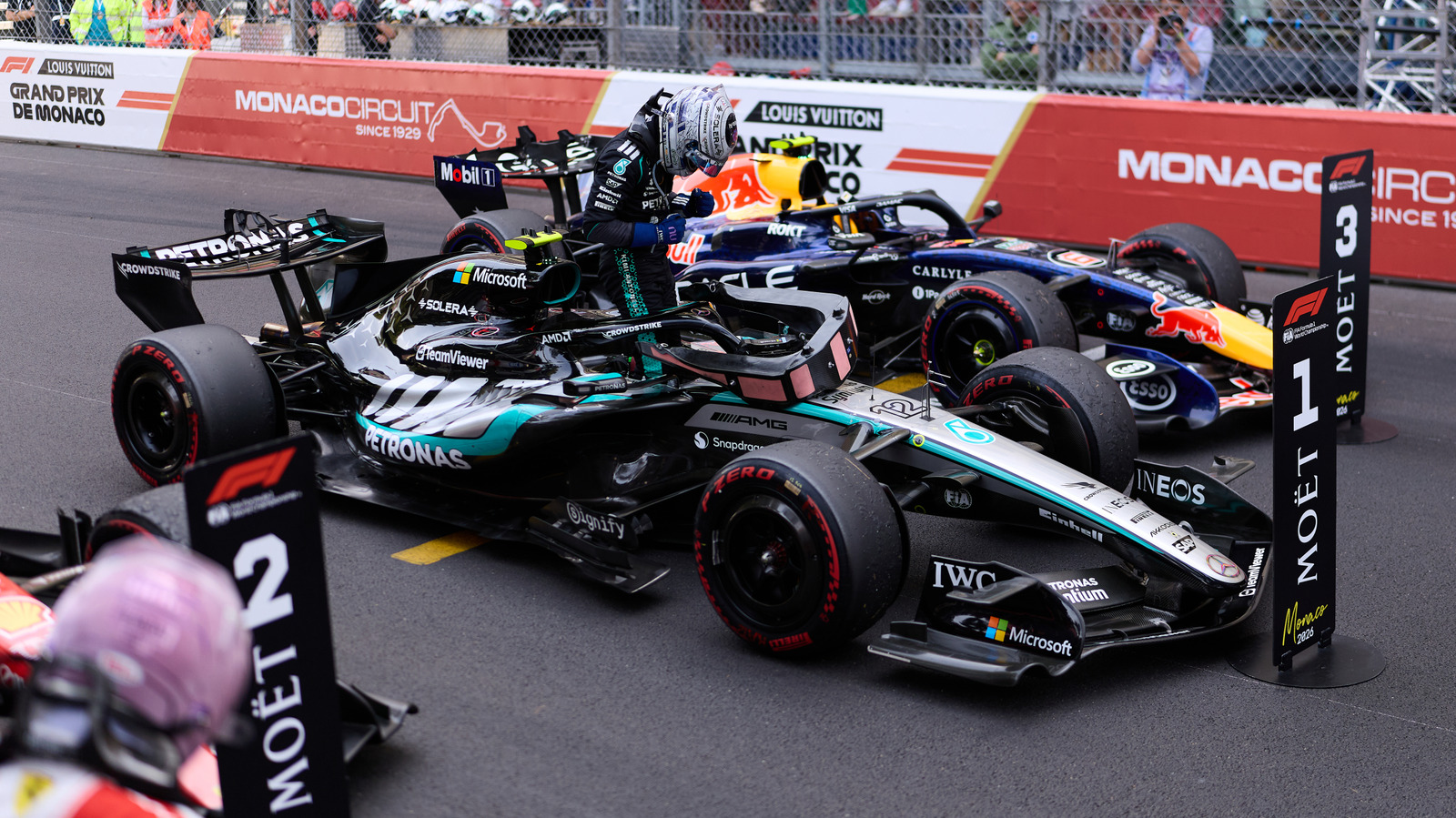
While F1 teams initially welcomed the frantic racing style of the 2026 season, the tone shifted dramatically after Oliver Bearman's 50G crash at the Japanese Grand Prix. Drivers began arguing that the energy management demands were not just a competitive disadvantage but a safety issue. The inability to push every lap flat-out forced drivers to manage energy in ways that could lead to unpredictable car behavior and increased risk.
FIA President Mohammed Ben Sulayem, a vocal opponent of the 50/50 experiment from the start, seized on these concerns. Ben Sulayem had previously lobbied for F1 to use naturally-aspirated V10 engines with sustainable fuel, a proposal that automakers and organizers laughed off. Now, he is championing a return to V8s, and the revised idea is receiving a warmer reception, especially among fans. However, Ben Sulayem is also attempting to use this boost in public opinion to remove the FIA's term limits and remain in power indefinitely.
Impact on Racing and Manufacturers
The shift back toward combustion power is likely to alter the competitive landscape. Teams that invested heavily in hybrid technology may need to recalibrate, while those with strong ICE expertise could gain an advantage. The increased fuel flow limits will also affect engine development strategies. For fans, the change promises louder engines and more sustained high-speed action, addressing complaints that the 2026 cars sounded too muted and required too much coasting.
The FIA has emphasized that the revised power split does not mean abandoning electrification altogether. The energy recovery system remains a key component, and the increased harvesting capacity will still play a role in overall performance. However, the balance has clearly tipped back toward internal combustion, at least for the next two seasons.

Looking Ahead: 2028 and Beyond
With a 60/40 split targeted for 2028, F1 is signaling a longer-term commitment to combustion power, though the door remains open for further adjustments. The FIA has not ruled out revisiting the 50/50 goal in future regulation cycles, but for now, the priority is addressing driver safety and improving the spectacle. Ben Sulayem's push for V8s may gain traction if the current changes prove popular, but that would require a more fundamental overhaul of the power unit rules.
For now, teams and manufacturers are focused on adapting to the 2027 changes. The increased fuel flow and combustion power will require engine redesigns, but the timeline is tight. With the 2027 season just over a year away, development work is already underway. The coming months will reveal how quickly the paddock can pivot and whether the revised power split delivers on its promise of safer, more exciting racing.
This article is based on reporting by Jalopnik. Read the original article.
Originally published on jalopnik.com