Audi Walks Back Its EV-Only Commitment
Audi has confirmed it is revising its earlier commitment to introduce its last internal combustion engine vehicle in 2026, effectively abandoning one of the automotive industry's most prominent symbolic deadlines for the end of the fossil-fuel era in passenger cars. The move reflects a broader reassessment underway across the European automotive industry as market realities diverge from the optimistic EV adoption curves that underpinned aggressive electrification pledges made in the early 2020s.
The German luxury brand had been among the more ambitious among the Volkswagen Group's portfolio brands in its EV transition timeline. The reversal is an acknowledgment that consumer demand, charging infrastructure, and competitive dynamics have not evolved as rapidly as the planning scenarios that justified those commitments assumed.
Why the Reversal Now
Several converging factors have led Audi and other European premium automakers to reassess the pace of their EV transitions. EV sales growth in Europe decelerated sharply in 2024 and 2025 as early-adopter demand was absorbed and the mass market proved less immediately receptive than anticipated. At the same time, Chinese electric vehicle competitors — including BYD, NIO, and a growing number of smaller brands — have entered European markets with products at price points that established European brands struggle to match while maintaining their cost structures.
The infrastructure gap remains a persistent obstacle. While fast-charging networks have expanded substantially, range anxiety and charging inconvenience continue to rank among the top barriers cited by European consumers who are interested in EVs but have not yet made the transition. Rural areas and multi-unit residential buildings without home charging capacity present challenges that have been slower to resolve than industry optimists projected.
Regulatory pressure has also shifted. The European Union has maintained its 2035 target for ending new internal combustion vehicle sales, but the political environment around that target has grown more contested, with several EU member states pushing for flexibility or exceptions — particularly for synthetic fuels. Audi's reassessment can be read partly as a hedge against the possibility that the regulatory endpoint moves.
Impact on Product Planning
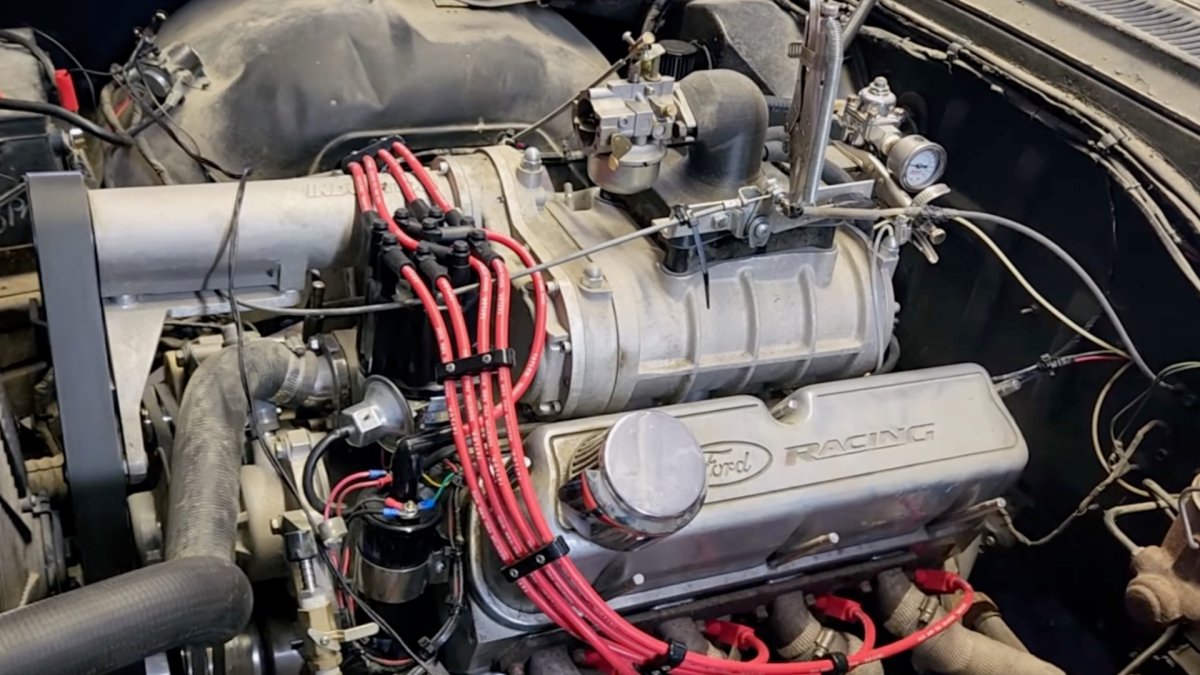
The practical implication is that Audi will continue developing, producing, and selling internal combustion and hybrid vehicles beyond 2026 for major markets. The company has framed this as responding to customer demand and market differentiation — not an abandonment of its long-term electrification goals but a more flexible path toward them. Specific ICE models that may get extended development cycles have not been announced, but analysts expect the decision will affect Audi's midsize sedan and SUV lineups where EV variants are still maturing.
For Audi's product planners, the reversal reduces the artificial pressure to rush the retirement of profitable ICE models before EV alternatives are ready to fully substitute for them. The risk of a forced transition was always that it would accelerate margin compression by eliminating high-margin ICE products before equivalent EV profitability could be established — a dynamic that has been painfully apparent in the Volkswagen Group's financial results over recent reporting periods.
Industry-Wide Pattern
Audi's reversal is part of a broader pattern of timeline adjustments across the premium and volume automotive segments. Ford has scaled back EV production targets for its F-150 Lightning and Mustang Mach-E programs. GM has pushed back Cruise's autonomous commercialization timeline. Mercedes-Benz walked back its 2030 EV-only sales target in 2024. Even Volvo, which had been among the most absolute in its EV commitments, softened its all-electric 2030 pledge to include plug-in hybrids.
This coordinated retreat from aggressive timelines reflects the industry learning — sometimes painfully — that the transition to EVs is not a switch that gets flipped at a predetermined date but a gradual market evolution shaped by consumer behavior, infrastructure investment, battery economics, and policy consistency over years and decades.
What Audi's EV Lineup Still Delivers
Despite the ICE timeline revision, Audi remains committed to expanding its electric vehicle range. The e-tron GT and Q4 e-tron families have found their audiences in the premium segment, and the upcoming Q6 e-tron — built on the PPE platform developed jointly with Porsche — is seen as a critical volume product that could substantially expand Audi's EV sales. The company continues to invest significantly in EV development, software-defined vehicle capabilities, and battery technology, and is not stepping back from electrification as a strategic direction. What is changing is the pace and the coercive timelines that preceded real market readiness.
This article is based on reporting by Motor Authority. Read the original article.
Originally published on motorauthority.com