Broadcast Radio Keeps Its Grip on the Car
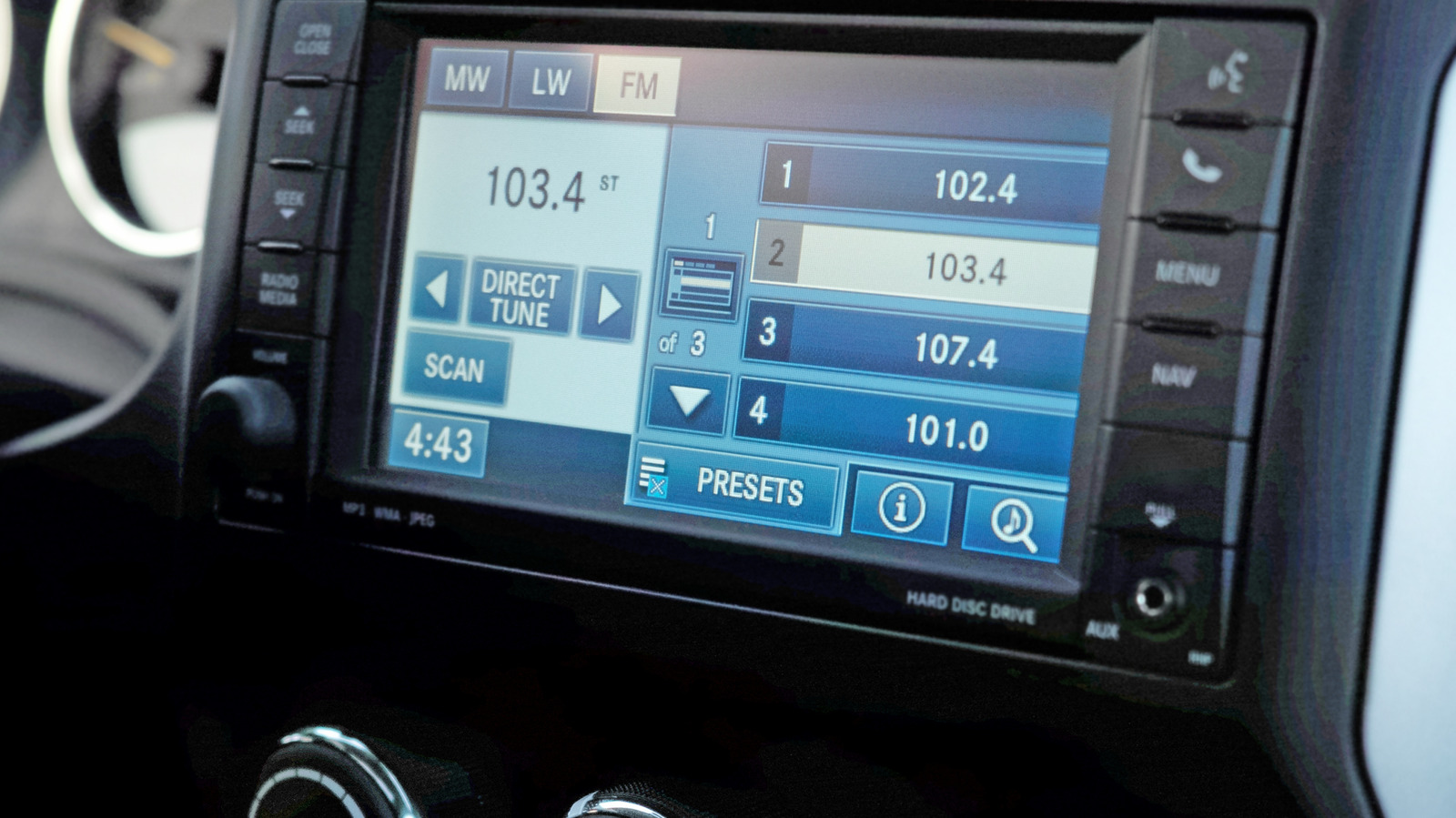
The long-expected collapse of in-car radio still has not arrived. According to Edison Research’s Q1 2026 Share of Ear data, AM/FM radio accounts for 55% of Americans’ in-car audio time among listeners age 13 and older. Streaming services, by comparison, make up 16% of drive-time listening.
That split matters because the car has often been treated as one of the last major battlegrounds in audio. Music and spoken-word consumption have fragmented across apps, subscriptions, and connected devices, but the data cited by Jalopnik shows traditional radio still holds the largest share of attention once people get behind the wheel.
The headline is not that streaming has failed. It is that the replacement of broadcast radio is happening far more slowly than many forecasts implied. Even after years of platform growth from services such as Spotify and Tidal, AM and FM remain the default choice for a majority of in-car listening time.
Younger Drivers Are Narrowing the Gap
The picture changes when the age range tightens. Edison’s data shows that among Americans ages 13 to 34, AM/FM radio still leads with 46% of in-car listening time, while streaming rises to 30%.
That is a meaningful shift. It suggests younger listeners are bringing more on-demand habits into the vehicle, even if broadcast radio continues to lead overall. The difference between the all-listener total and the 13-to-34 segment points to a generational transition rather than a sudden platform overthrow.
In practical terms, radio still wins the broader market because it remains easy, familiar, and built into the car experience. Streaming is gaining strength, but its strongest showing is among listeners who grew up with digital media and personalized playback. The result is a dashboard split between habit and control: radio’s one-touch convenience versus streaming’s individualized choice.
The data does not support a simple either-or story. Instead, it shows coexistence. Broadcast radio continues to deliver scale, while streaming appears to be steadily increasing its share with younger drivers. For automakers, advertisers, and audio companies, that means the car is not a winner-take-all environment yet.
Podcasts Have Rewritten Spoken-Word Audio
If radio remains dominant in total in-car audio, the spoken-word segment tells a more competitive story. Jalopnik reports that podcasts account for 40% of Americans’ spoken-word listening time, narrowly ahead of AM/FM radio at 39% for listeners age 13 and older.
That near tie is a major shift from 2015, when spoken-word radio held a 75% lead. The current numbers suggest podcasts have moved from niche format to core listening category. On-demand availability is part of that rise, but so is variety. Podcasting has expanded into a medium where listeners can find highly specific shows alongside mass-market programming.
The broader significance is that broadcast radio’s strongest historical advantages are no longer secure in every audio format. Music listening still favors AM/FM in the car overall, but spoken-word listening has become a much tighter contest. That matters because spoken-word audiences are often especially valuable to publishers, advertisers, and platforms trying to build recurring listening habits.
The contrast between music and talk also shows how platform change can arrive unevenly. Radio can remain structurally strong in one part of the market while losing share quickly in another.
The Fight Over AM Radio Hardware Is Not Going Away
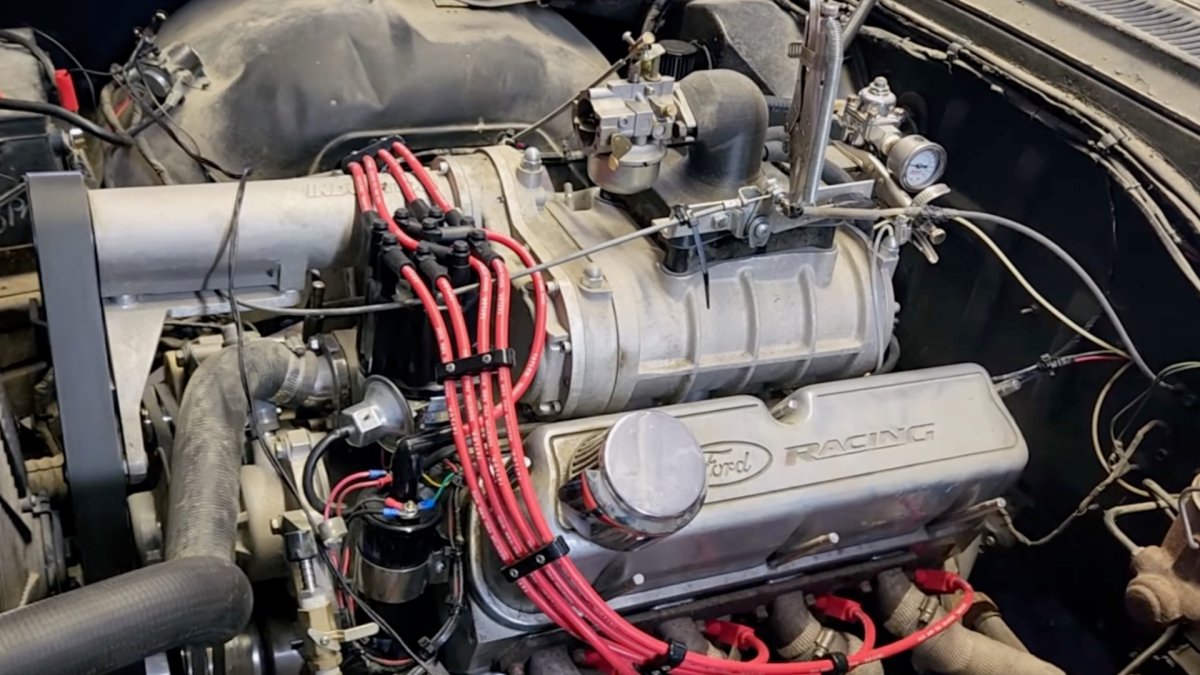
The data lands in the middle of a policy and product fight over whether AM radio should remain in new vehicles. Jalopnik notes that Tesla, Rivian, and Ford have moved to eliminate at least AM radios from some new models, with the issue especially prominent in electric vehicles. The source text says electric motors can generate interference with AM reception, and that eliminating the interference would be costly for manufacturers.
That hardware debate has produced backlash from customers and politicians. Ford, according to the report, reversed course after criticism over dropping AM radio. The issue has also reached Washington in the form of the AM Radio for Every Vehicle Act, a proposal that would require every new passenger car to include an AM radio.
The policy argument becomes easier to understand in light of Edison’s numbers. If AM/FM still takes 55% of all in-car audio time, removing radio from the dashboard is not a niche design decision. It affects a central part of how Americans still use their vehicles.
For automakers, the tension is clear. Some are designing for a software-defined, connected-car future. But listeners, at least for now, are still behaving like radio users. That mismatch helps explain why the AM issue has become larger than a feature dispute.
What the Numbers Actually Say About Audio’s Future
The latest snapshot does not show radio winning forever, and it does not show streaming taking over immediately. It shows a market in transition, with legacy and digital formats sharing the same physical space and dividing listeners by age, habit, and content type.
Broadcast radio still has scale, especially in the car. Streaming has momentum, especially with younger listeners. Podcasts have already turned spoken-word listening into a far tighter contest than it was a decade ago. Together, those shifts suggest the dashboard is becoming more mixed, not less important.
The most important takeaway may be the simplest one: in-car listening behavior has changed, but not in the clean, total way many expected. Radio is still deeply embedded in the driving experience, and the evidence now suggests any attempt to design it away will continue to run into both consumer behavior and political resistance.
This article is based on reporting by Jalopnik. Read the original article.
Originally published on jalopnik.com