A Change of Direction
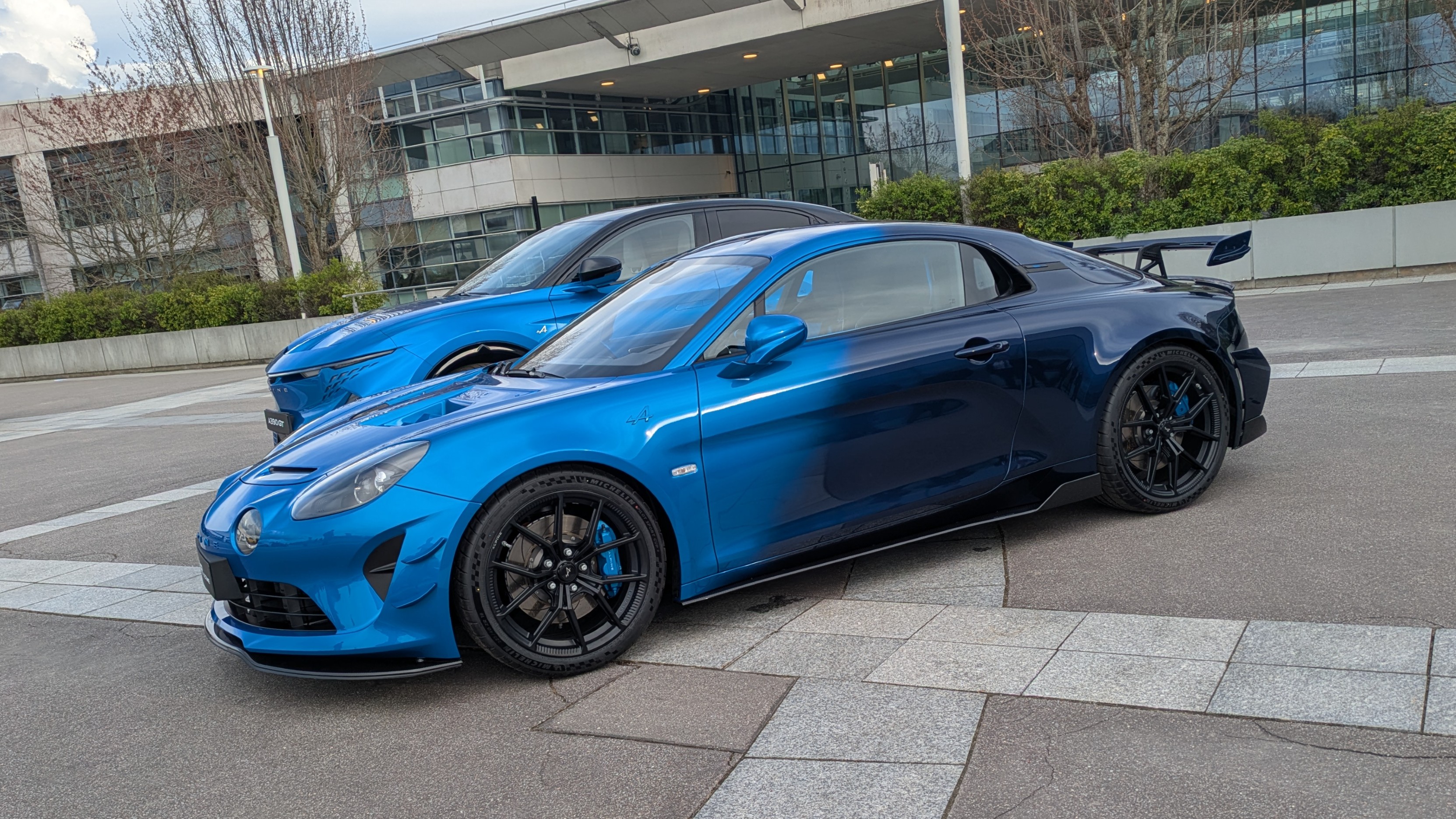
Renault's performance brand Alpine is recalibrating its strategy in a move that could finally bring the storied French marque to the United States. After tariffs and weakening electric vehicle demand derailed plans to lead with larger electric crossovers, Alpine is now preparing the next-generation A110 sports car as its primary vehicle for a possible US launch.
The pivot reflects broader headwinds facing the European auto industry's EV transition. Alpine had originally planned to expand its lineup with multiple electric crossover models that would provide the volume needed to justify entering the competitive American market. Those plans assumed continued strong growth in EV demand and a favorable regulatory environment for European imports. Neither assumption has held.
The Tariff Problem
US tariffs on imported vehicles have made the economics of launching a European niche brand in America significantly more challenging. For a small-volume manufacturer like Alpine, which lacks the scale to absorb tariff costs across hundreds of thousands of units, the additional per-vehicle cost of import duties can make the difference between a viable business case and a money-losing exercise.
The A110, by contrast, competes in the niche sports car segment where buyers are less price-sensitive and where the product's unique character — lightweight construction, mid-engine layout, French design heritage — commands a premium that can absorb tariff costs more easily. Porsche, Lotus, and other European sports car brands have demonstrated that the American market will pay a premium for distinctive driving experiences.

The A110's Competitive Position
The current A110, launched in 2017, is widely regarded as one of the best driving sports cars in its class. Its aluminum construction keeps weight below 1,100 kilograms — significantly lighter than most competitors — and its turbocharged four-cylinder engine delivers responsive power through a dual-clutch transmission.
The next-generation A110, expected to arrive before 2028, will need to address the current car's limitations while preserving its core character. The existing model's cabin is cramped by modern standards, its infotainment system is dated, and its lack of advanced driver assistance features puts it at a disadvantage against more technologically equipped competitors.
Alpine has not confirmed whether the next-generation A110 will be fully electric, hybrid, or retain an internal combustion engine.
Why Now for America
Several factors make the current moment more favorable for a US launch. The US sports car market has consolidated significantly, with several competitors exiting or reducing their presence. The Alfa Romeo 4C has been discontinued and the Lotus Elise and Exige are no longer available in the US. This leaves a gap in the lightweight, driver-focused sports car segment that the A110 is well-positioned to fill.
Additionally, Renault's partnership infrastructure has improved. The company's alliance with Nissan and Mitsubishi provides potential access to dealer networks, parts distribution, and after-sales service infrastructure in the US — reducing the cost and complexity of establishing Alpine as a standalone brand.
The EV Demand Question
Alpine's pivot also reflects a broader reassessment of EV market projections across the auto industry. Several manufacturers have delayed or scaled back EV launch plans in response to slower-than-expected demand growth. The factors behind the EV slowdown are multiple: high interest rates have made expensive EVs less affordable, charging infrastructure gaps persist, and the early-adopter market has been largely saturated without a corresponding surge in mainstream adoption.
The A110 sports car strategy is lower risk: smaller production volumes mean less capital at stake, the enthusiast audience is more forgiving of range limitations if a hybrid or EV powertrain is offered, and the brand-building effect of a halo sports car can pave the way for future volume models if market conditions improve.
Whether Alpine actually enters the US market remains uncertain — the company has described the A110 launch as a possibility rather than a commitment. But the strategic shift from volume EV crossovers to a niche sports car represents a pragmatic recalibration that gives the brand its best chance of making the transatlantic leap successfully.
This article is based on reporting by Automotive News. Read the original article.
Originally published on autonews.com