సరఫరాపై ఒత్తిడి పైకి పాకుతోంది
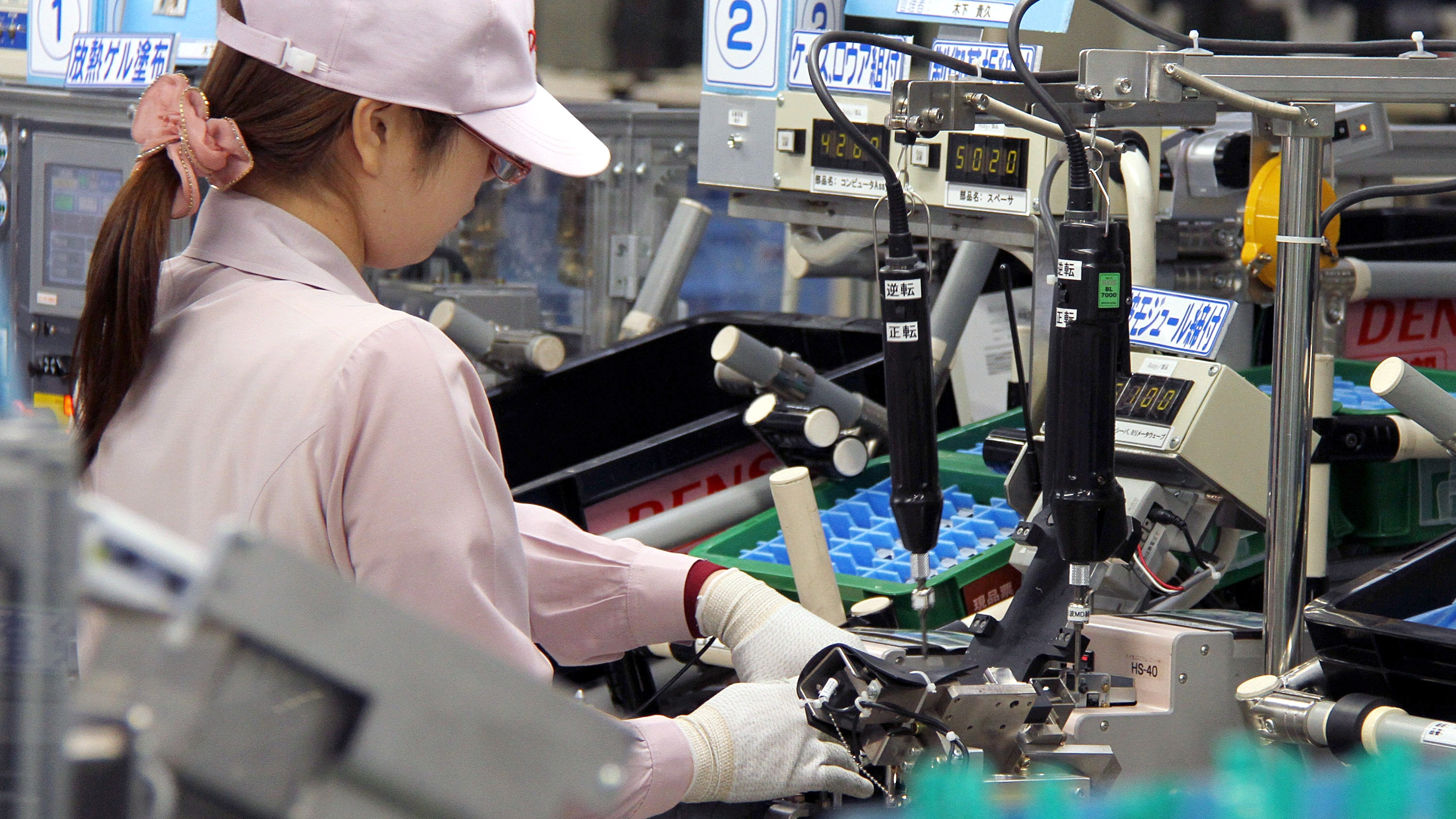
ఇరాన్ ఘర్షణతో సంబంధం ఉన్న disruptions Toyota యొక్క supplier baseలో కనిపించడం మొదలైంది; ఇది geopolitical shocks ఆటోమొబైల్ తయారీపై ఎలా ripple effect చూపించి, showroomకి చేరకముందే ప్రభావం చూపుతాయో తెలిపే ప్రారంభ సంకేతం. Automotive News reports that suppliers, including Denso, are grappling with rising raw material costs and shortages of aluminum, resins and other basic materials amid ongoing logistical turmoil.
ఈ కలయిక ముఖ్యమైనది, ఎందుకంటే ఇది supply chain యొక్క పునాది దగ్గరే దెబ్బతీస్తుంది. Aluminum మరియు resins కొన్ని ప్రత్యేక componentsకే పరిమితమైన niche inputs కాదు; అవి అనేక vehicle parts మరియు manufacturing processesలో ఉపయోగించే core materials. ఈ వర్గాలు కట్టుదిట్టమైతే, production schedules, inventory planning మరియు pricing మీద ప్రభావం త్వరగా వ్యాపిస్తుంది.
ఆటోమేకర్లు ప్రాథమిక-పదార్థ bottlenecks గురించి ఎందుకు ఆందోళన చెందుతున్నారు
అత్యంత తీవ్రమైన supply-chain సమస్యలు చాలాసార్లు finished parts నుంచే కాక, commodities మరియు transport నుంచే మొదలవుతాయి. Logistics అస్థిరంగా మారిన తర్వాత, manufacturers inputs కోసం ఎక్కువ చెల్లించాల్సి వస్తుంది, deliveries కోసం ఎక్కువ సమయం వేచి ఉండాల్సి వస్తుంది, మరియు region-to-region uneven supplyను సమన్వయం చేయాల్సి వస్తుంది. Highly synchronized production systemsలో, చిన్న disruptions కూడా పెద్ద planning సమస్యలను సృష్టించగలవు.
ఈ report ప్రత్యేకంగా Denso exposureను చూపిస్తోంది, అంటే ఇది కేవలం theoretical సమస్య కాదని స్పష్టమవుతుంది. Toyota యొక్క supplier ecosystem విస్తారంగా మరియు అత్యంత interconnectedగా ఉంటుంది; ఒక పెద్ద supplierపై ఒత్తిడి అనేక production linesలోకి cascade కావచ్చు. దీని అర్థం assembly stoppages తప్పకుండా వస్తాయని కాదు, కానీ procurement teams మరింత defensive postureలోకి వెళ్తున్నాయని చెబుతుంది.
“ongoing logistical turmoil” అన్న సూచన కూడా ముఖ్యమైనది. ఇది challenge headline commodity pricesకే పరిమితం కాదని సూచిస్తుంది. Regional conflict సమయంలో transport reliability, routing, delivery timing మరియు materials access ప్రతి ఒక్కటి స్వతంత్ర constraintsగా మారవచ్చు. Automakersకు ఇది mitigationను కష్టతరం చేస్తుంది, ఎందుకంటే ఇక్కడ ఒక్క lever pull చేస్తే సరిపోదు.

ఇది పరిశ్రమకు ఏమి సూచిస్తుంది
Semiconductor shortages, pandemic-era delays మరియు broader trade friction తర్వాత automotive sector అనేక సంవత్సరాలుగా resilience పెంచడానికి ప్రయత్నిస్తోంది. కానీ తాజా disruption ఒక గుర్తు: supply chains ఇంకా stressలో ఉన్న logistics networks గుండా కదిలే globally traded raw materialsపై ఆధారపడుతూనే ఉన్నంతవరకు resilience పూర్తికాదు.
Shortages మరింత తీవ్రమైతే, manufacturers ఎక్కువ చెల్లించడం, sourcing plansను పునర్నిర్మించడం లేదా ఏ productsకు ముందుగా constrained materials ఇవ్వాలో తిరిగి ప్రాధాన్యం నిర్ణయించడం వంటి చర్యల మిశ్రమాన్ని తీసుకోవాల్సి రావచ్చు. Costsను త్వరగా pass through చేయలేకపోతే suppliers కూడా margin pressureను ఎదుర్కొనవచ్చు. ఆ అర్థంలో, ఇరాన్-లింక్డ్ disruption కేవలం materials story కాదు. పరిశ్రమ వాస్తవంగా ఎంత operational flexibility నిర్మించిందో పరీక్షించే అంశం ఇది.
ప్రస్తుతం Toyota supplier base నుంచి వచ్చే signal confirmed production collapse కంటే early strainను సూచిస్తోంది. కానీ aluminum మరియు resins వంటి upstream materialsలో shortages కనిపించడం మొదలైతే, పరిశ్రమ సాధారణంగా చాలా శ్రద్ధతో చూస్తుంది. ఇవే geopoliticsను factory floorsతో అతి తక్కువ హెచ్చరికతో కలిపే inputs.
- Toyota suppliers aluminum, resins మరియు ఇతర materialsపై అధిక ఖర్చులు, తక్కువ supplyను నివేదిస్తున్నారు.
- Denso ఈ ప్రభావాన్ని ఎదుర్కొంటున్న suppliersలో ఒకటి.
- ఒత్తిడి ఒకే isolated shortage కంటే conflict-driven logistics disruptionకు సంబంధించినదిగా కనిపిస్తోంది.
ఈ వ్యాసం Automotive News నివేదిక ఆధారంగా ఉంది. మూల వ్యాసాన్ని చదవండి.
Originally published on autonews.com