ScienceMore in Science→
Ancient DNA study revisits early Montreal ancestry
Key Takeaways
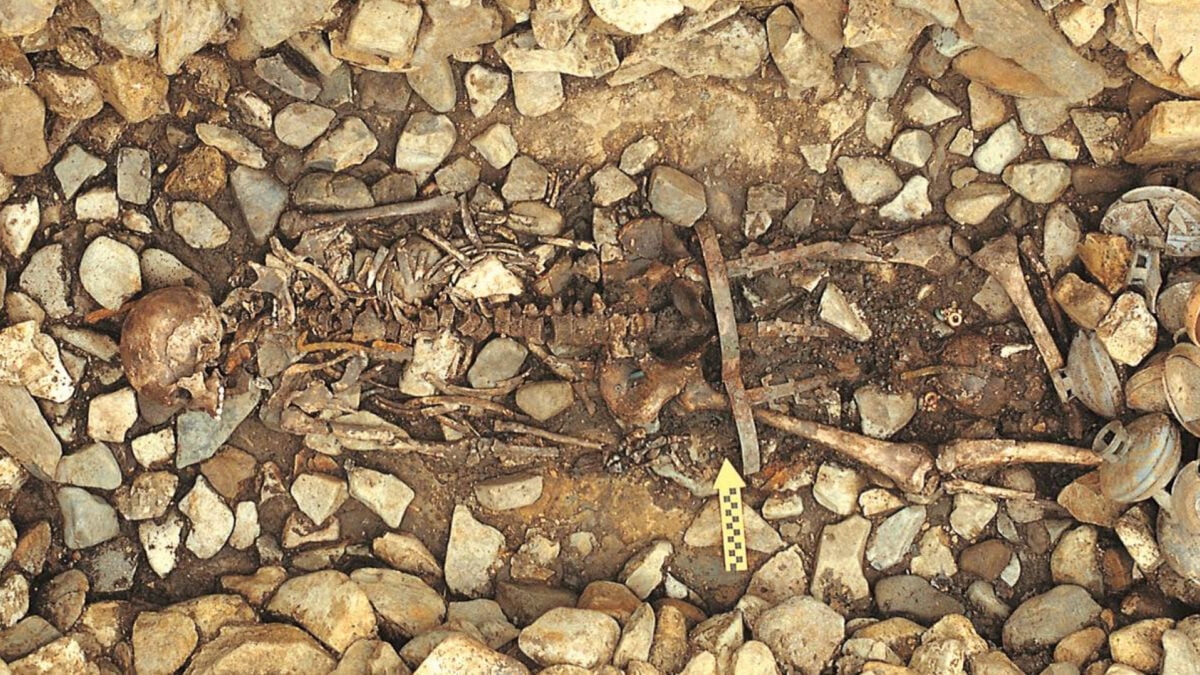
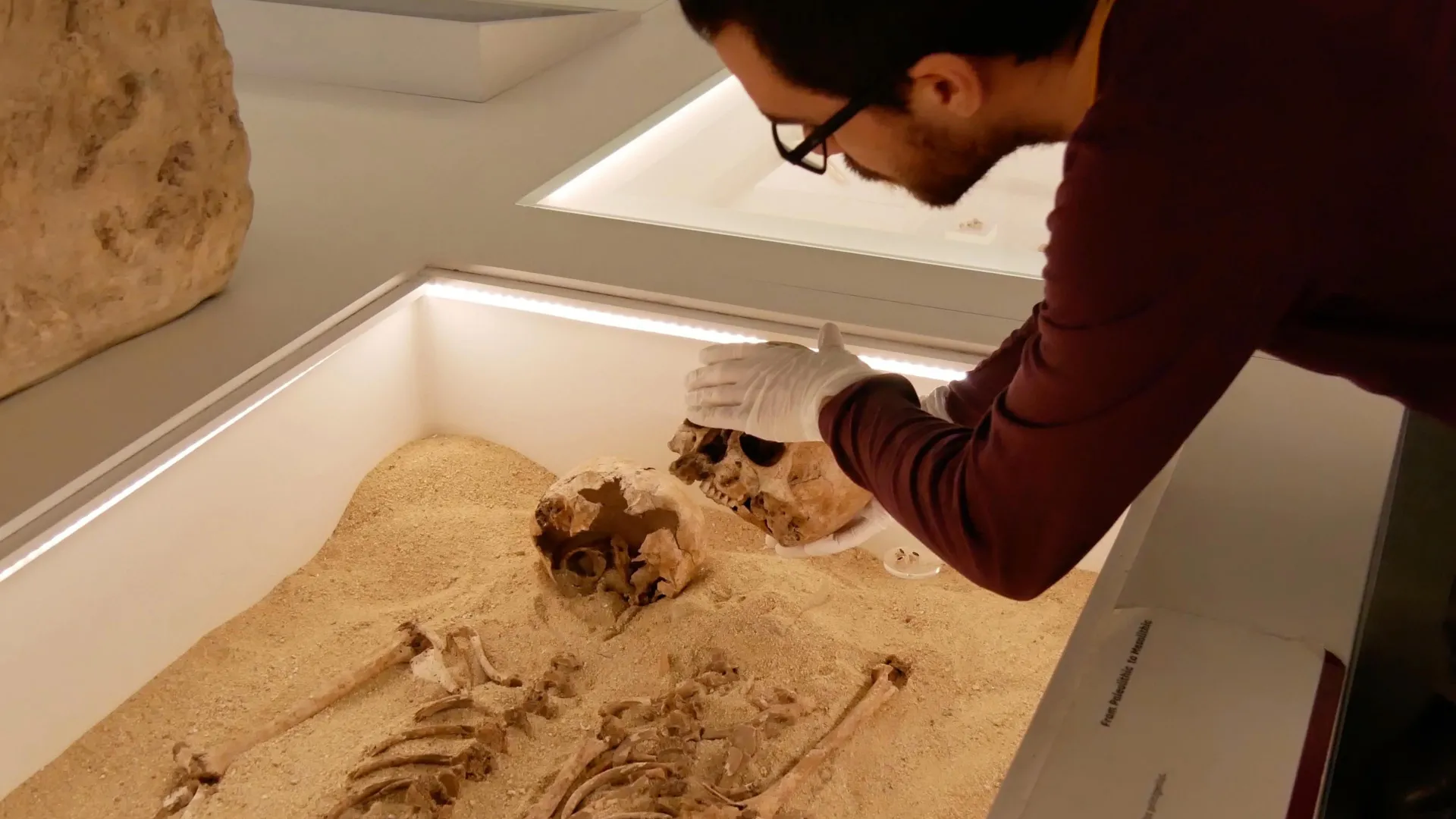
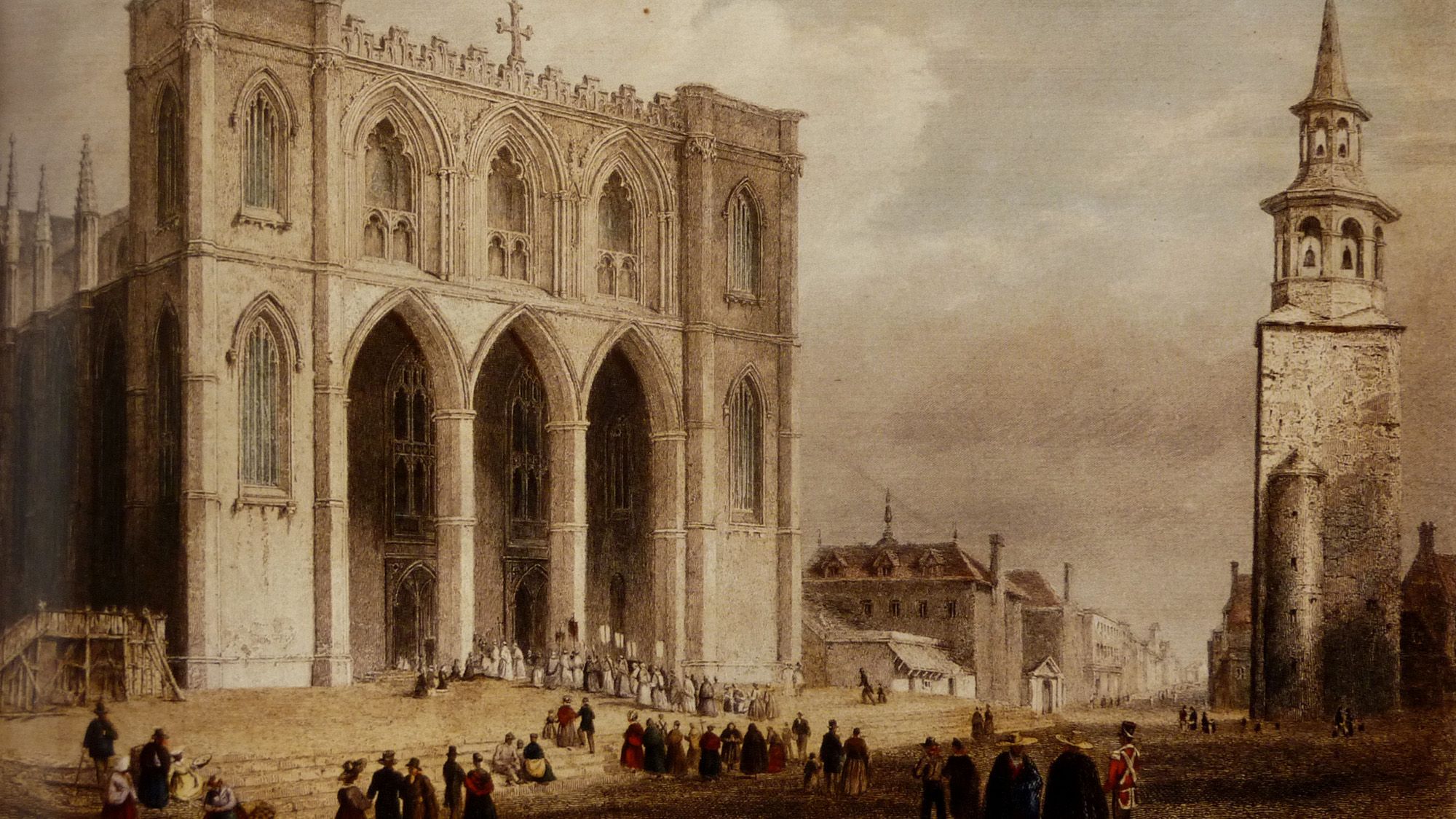
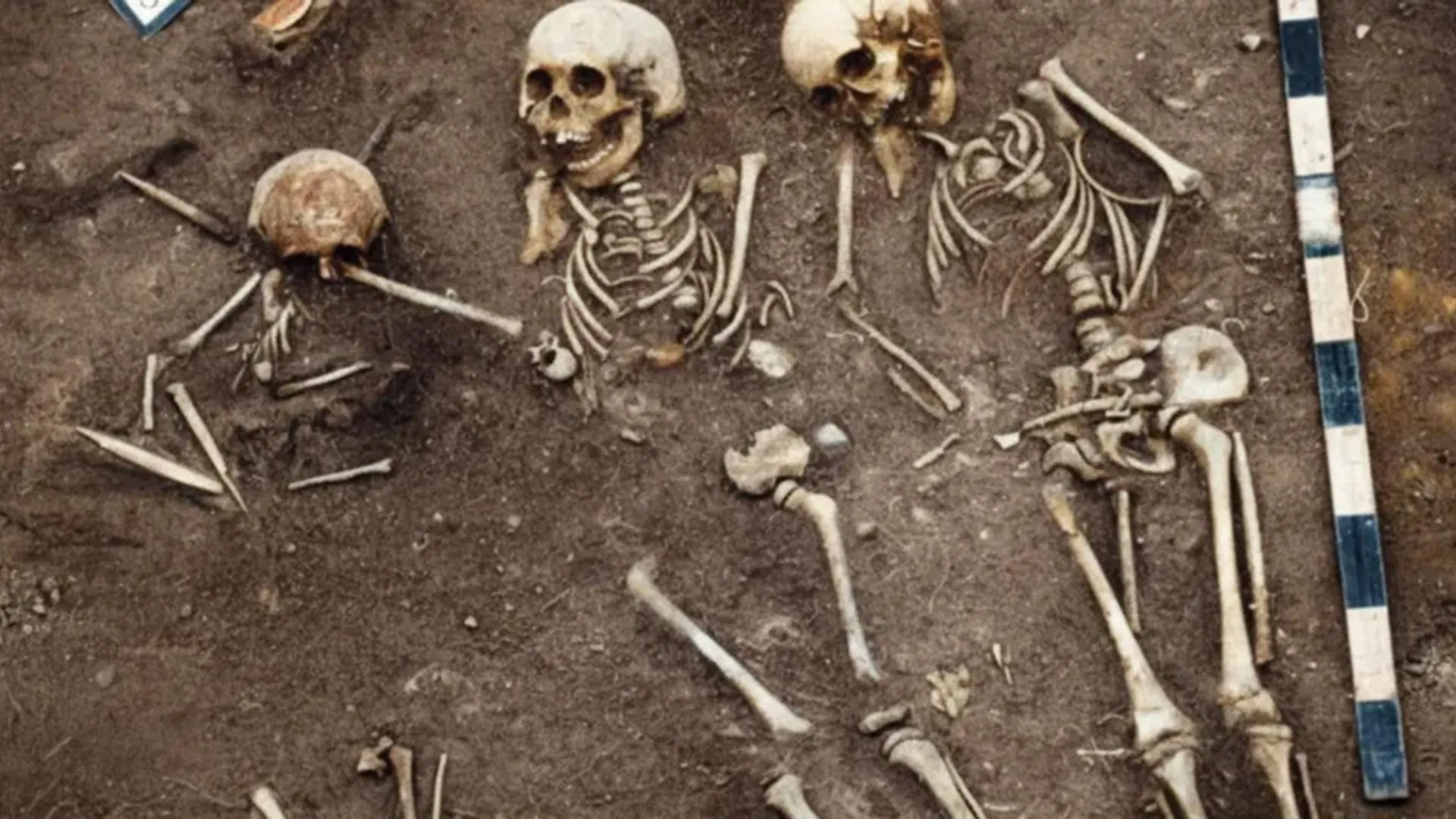
- Researchers sequenced DNA from 45 people buried at Notre-Dame Cemetery in Montreal.
- All sampled individuals showed French European ancestry, with no recent Indigenous or African admixture.
- The results clarify one cemetery population while raising questions about exclusion in early Montreal.
DE
DT Editorial Team··via livescience.com
![Science Through Covers] UC Berkeley team reveals how 500 surviving North American bison preserved genetic diversity - DongA Science (via www.dongascience.com)](https://image.dongascience.com/Photo/2026/08/0c48148efa3dc0ef6eb30471258247d5.jpg)