அறிமுகத்திற்குப் பத்து ஆண்டுகளுக்குப் பிறகு Starship orbit-ஐ அடைந்தது
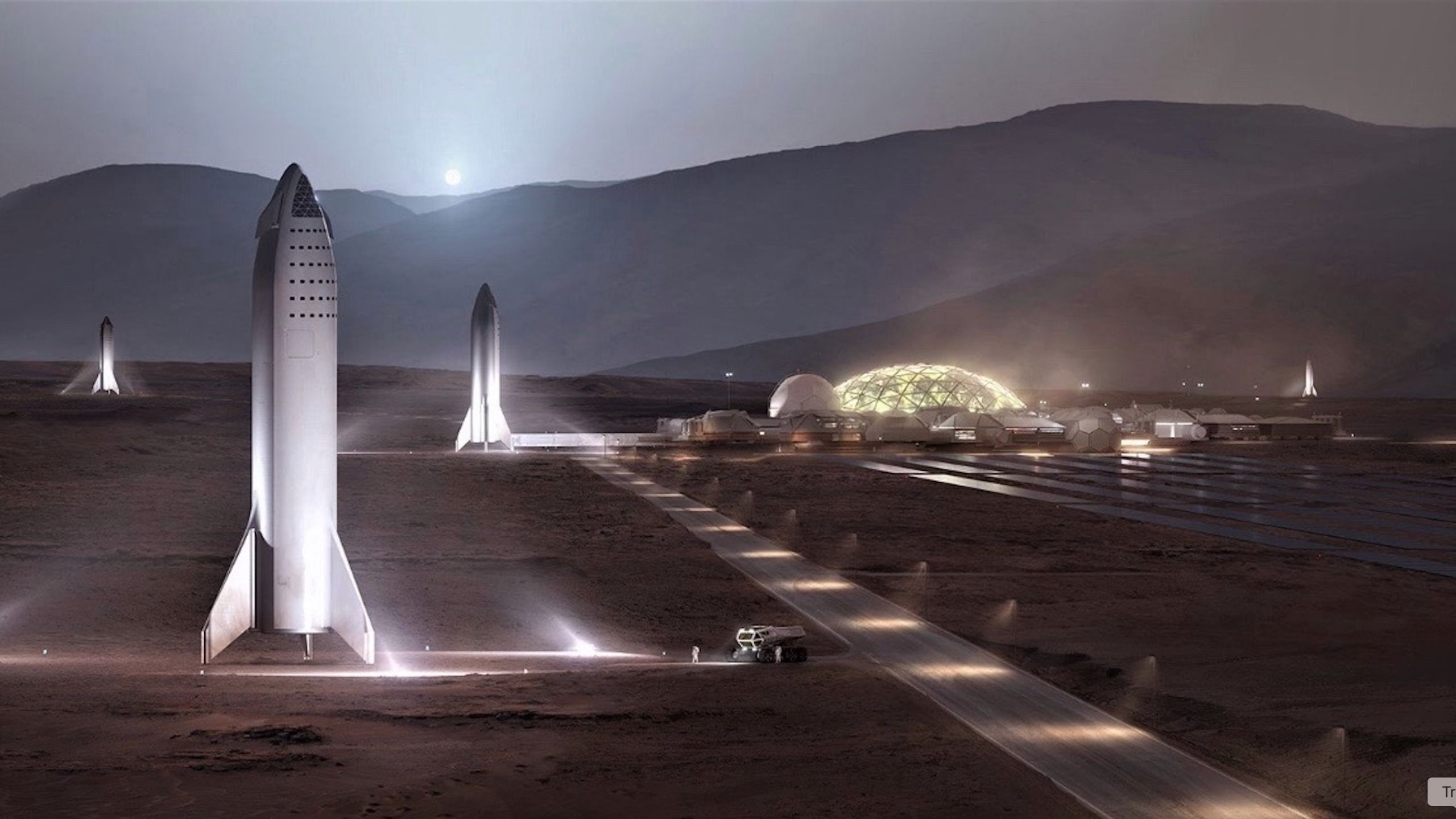
Mexico-வின் Guadalajara-வில் நடந்த International Astronautical Congress-ல் Elon Musk பெரிய Mars-bound spacecraft concept-ஐ அறிமுகப்படுத்திய பத்து ஆண்டுகளுக்குப் பிறகு SpaceX-ன் Starship program ஒரு முக்கிய கட்டத்தை கடந்துள்ளது. Sept. 28, 2026 அன்று அந்த ஆரம்ப proposal-இன் வாரிசு Starship-ன் 14th test flight-ல் முதல் முறையாக orbit-ஐ அடைந்து, SpaceX-ன் Starlink network-க்காக satellites-ஐ எடுத்துச் சென்றது.
இந்த சாதனை முக்கியமானது; ஆனால் moon அல்லது Mars-க்கு மனித missions தேவைப்படும் architecture நிரூபிக்கப்பட்டுவிட்டது என்று அர்த்தமல்ல. Starship திட்டமிடப்பட்ட long-duration missions-ஐ நிறைவேற்றுவதற்கு முன் refueling மற்றும் space-இலிருந்து reliable return தொடர்பான technologies உட்பட பல முக்கிய capabilities-ஐ இன்னும் நிரூபிக்க வேண்டும்.
இந்த இடைவெளியே program-ன் தற்போதைய கதையின் மையம். Starship concept மற்றும் பல experimental vehicles-இலிருந்து orbital launch system-ஆக முன்னேறியுள்ளது. இருப்பினும் vehicle-ஐ பிரபலமாக்கிய missions, ஒரு முறை orbit அடைவதைவிட மிகவும் கடினமானவை. அவற்றுக்கு spacecraft மற்றும் booster மீண்டும் மீண்டும் செயல்பட வேண்டும், space-ல் propellant transfer செய்ய வேண்டும், crews-ஐ ஆதரிக்க வேண்டும், மேலும் நீண்ட missions-ல் நம்பகமாக இயங்க வேண்டும்.
ஒரு தசாப்தத்தில் மீண்டும் மீண்டும் மாறிய vehicle
2016-ல் அறிமுகப்படுத்தப்பட்ட design Interplanetary Transport System, அல்லது ITS என அழைக்கப்பட்டது. அதன் முன்மொழியப்பட்ட structure-ல் carbon fiber பயன்படுத்தப்பட்டது. பின்னர் SpaceX stainless-steel Starship approach-க்கு மாறியது; இது Texas testing மூலம் பரிச்சயமானது.
Early development-ல் 2019 தொடங்கிய short test hops மற்றும் பின்னர் higher-altitude flights அடங்கின. Testing-ன் போது சில prototypes இழக்கப்பட்டன; மற்றவை vehicle-ஐ பறக்கவிட்டு தரையிறக்கும் program திறனை முன்னேற்றின. May 2021-ல் SN15 prototype high-altitude flight-க்குப் பிறகு landing முடித்தது; fully reusable system-க்கு அது முக்கியமான demonstration ஆகும்.
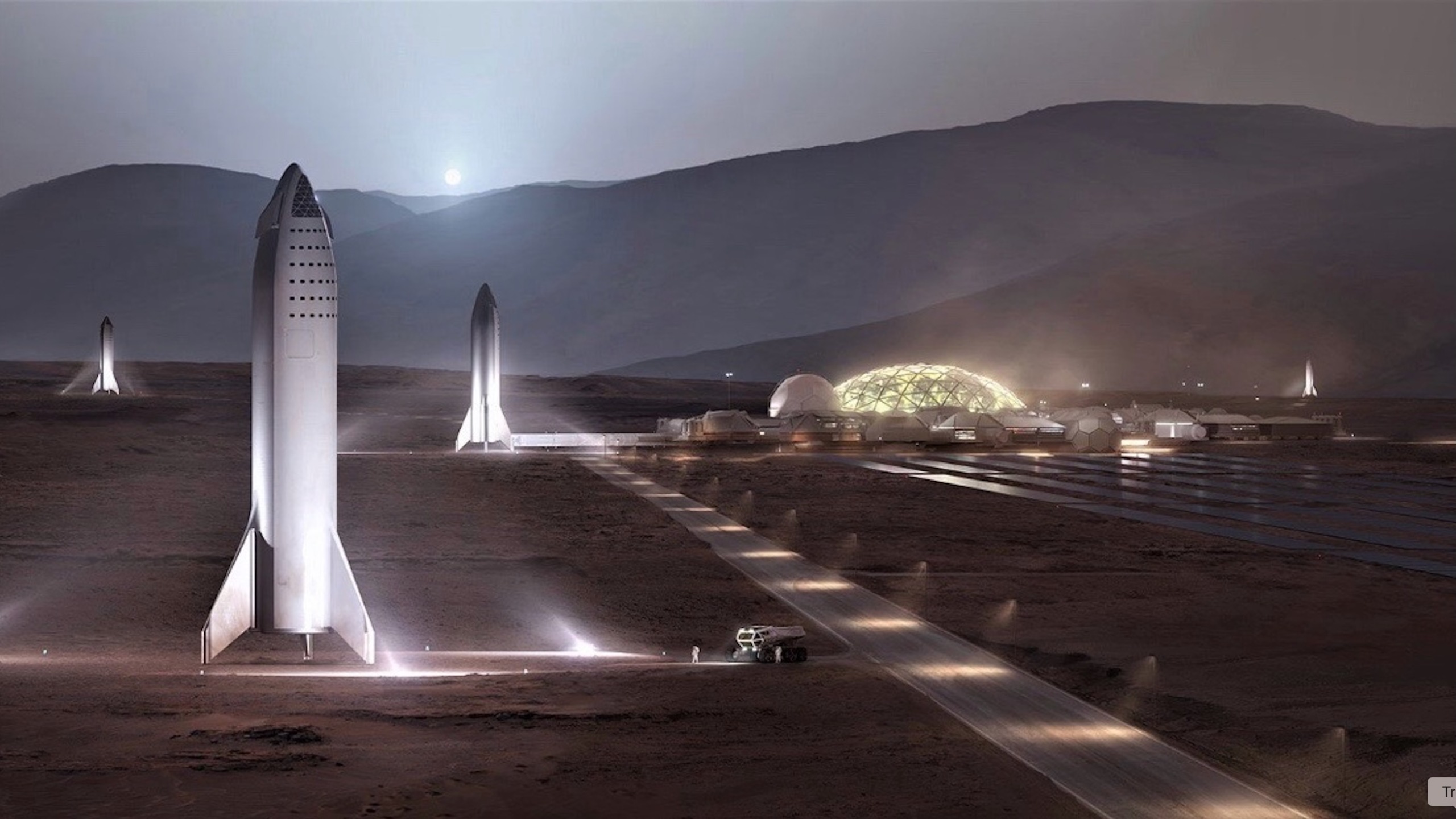
அதே ஆண்டில் NASA தனது Artemis lunar missions-க்கான முதல் astronaut lander ஆக Starship-ஐ தேர்வு செய்தது. இந்த முடிவு Starship development-ஐ astronauts-ஐ moon-க்கு மீண்டும் அழைத்துச் செல்லும் government-led effort-உடன் நேரடியாக இணைத்தது. முன்பு SpaceX-ன் long-term Mars ambitions-ஐச் சார்ந்ததாக இருந்த milestones-ன் முக்கியத்துவத்தையும் இது உயர்த்தியது.
Full launch configuration-ல் Super Heavy booster மற்றும் Starship upper stage, பொதுவாக Ship என்று அழைக்கப்படுவது, உள்ளன. இந்த stack முதன்முதலில் April 2023-ல் பறந்தது; சில நிமிடங்களில் இழக்கப்பட்டது. ஒரு ஆண்டுக்குள் மேலும் மூன்று flights நடந்தன. ஒவ்வொன்றும் space-ஐ அடைந்தாலும், ஒவ்வொரு முறையும் upper stage reentry-யில் இழக்கப்பட்டது.
Test flights மற்றும் setbacks வழியாக வந்த progress
ஒரே முழுமையான mission-க்காக காத்திருக்காமல் system-ன் individual elements-ஐ நிரூபிக்க SpaceX flight campaign-ஐ பயன்படுத்தியது. 2024-ல் ஒரு Ship-ன் உள்ளே இரண்டு tanks இடையே liquid oxygen-ஐ company மாற்றியது. Moon அல்லது Mars mission-க்கு தேவைப்படும் propellant transfer வகையை program இதுவரை அடைந்த மிக அருகிலான demonstration அது.
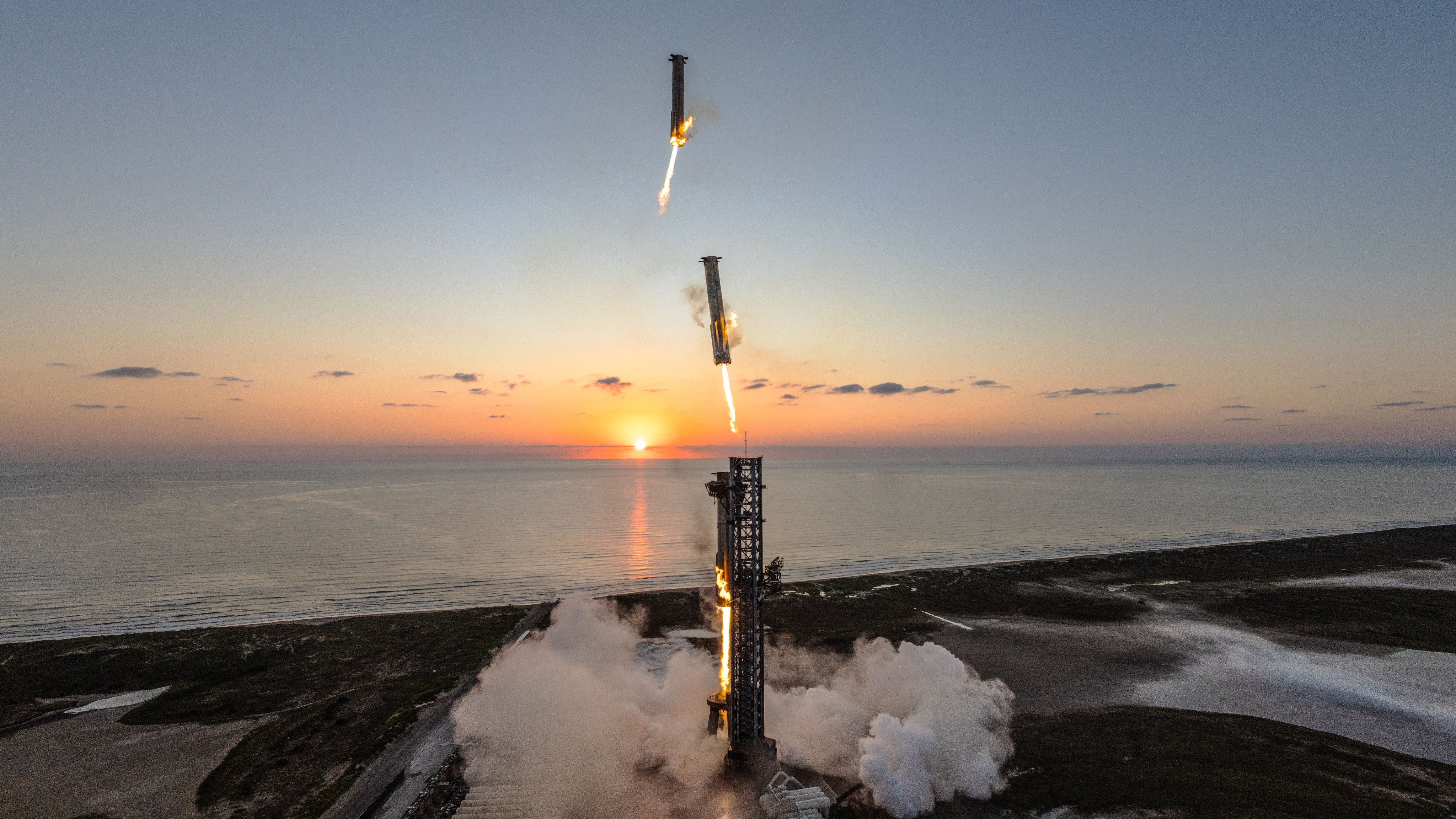
அதே ஆண்டில் June test flight-ல் இரு stages-உம் controlled splashdowns செய்தன. October 2024-ல் launch tower-ன் mechanical arms மூலம் திரும்பிய Super Heavy booster-ஐ SpaceX முதன்முறையாக catch செய்தது. Launch site-ல் booster-ஐ recover செய்வது company-ன் reusability approach-ன் தனிச்சிறப்பு; ஆனால் இதுபோன்ற operations-ஐ பாதுகாப்பாகவும் வழக்கமாகவும் மீண்டும் செய்வது தனி சவால்.
Development மென்மையான upward path ஆக இருக்கவில்லை. January 2025 booster catch-க்குப் பிறகு program தொடர்ச்சியான Ship failures-ஐ சந்தித்தது. அந்த ஆண்டு June-ல் ground testing-ன் போது upper stage ஒன்றும் explode ஆனது. August 2025-ன் clean flight அந்த தொடர் தோல்விகளுக்கு முடிவு காண உதவியது; October-க்குள் SpaceX பழைய vehicle design-ன் கடைசி flight-ஐ முடித்தது.
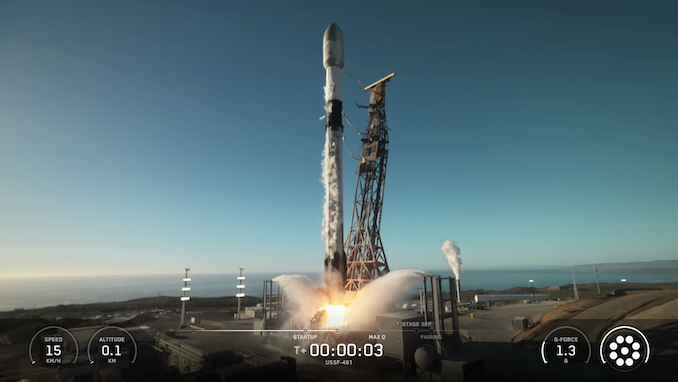
முதல் Starship V3 May 2026-ல் launch ஆனது; July-ல் இன்னொரு flight நடந்தது. September இறுதியில் Flight 14 program-ன் முதல் orbital mission-ஐ வழங்கியது. Starship history-ஐ latest milestone மூலம் மட்டும் சுருக்க முடியாது என்பதை இந்த வரிசை காட்டுகிறது: program வேகமாக முன்னேறியிருக்கிறது; ஆனால் losses, redesigns மற்றும் key systems-ஐ flight-ல் தொடர்ந்து test செய்ய வேண்டிய அவசியமும் அதனுடன் இருந்தது.
Orbit இன்னும் Mars mission அல்ல
Mars mission-க்கு powerful launch vehicle மட்டும் போதாது. Starship immense distances-ல் செயல்பட வேண்டும், போதுமான supplies மற்றும் propellant-ஐ எடுத்துச் செல்ல வேண்டும், long-duration human spaceflight-ன் risks-ஐ நிர்வகிக்க வேண்டும். Starship-ன் promised reach-க்கு அடிப்படை in-orbit refueling: distant destinations-க்கு செல்லும் spacecraft launch-க்குப் பிறகு propellant பெற வேண்டும்; ஒரே கட்டத்தில் Earth-லிருந்து fully fueled ஆகப் புறப்படக் கூடாது.
2024 internal transfer ஒரு ஆரம்ப relevant demonstration; ஆனால் அது orbit-ல் இரண்டு spacecraft-களுக்கிடையேயான full transfer அல்ல. இந்த distinction முக்கியமானது. நடைமுறை lunar அல்லது Mars architecture tanker vehicles, transfers மற்றும் mission operations-ஐ high reliability-யுடன் ஒருங்கிணைக்க வேண்டும். Repeated flights-ல் Ship மற்றும் Super Heavy booster இரண்டின் performance மற்றும் reusability-யையும் program நிறுவ வேண்டும்.
Return மற்றும் reentry சம அளவு முக்கியமானவை. முந்தைய full-stack tests space-ஐ அடைந்தாலும் reentry-யில் Ship இழக்கப்பட்டது. Routine transport-க்காக வடிவமைக்கப்பட்ட vehicle launch வெற்றியை மட்டும் அல்லாமல், அந்த phase-ஐ தொடர்ந்து survive செய்து control செய்ய முடியும் என்பதையும் காட்ட வேண்டும்.
NASA-வின் Artemis பங்கு program-க்கு இன்னொரு near-term test-ஐ சேர்க்கிறது. Starship astronaut lander ஆக தேர்வு செய்யப்பட்டதால், அதன் maturation SpaceX-ன் பரந்த Mars narrative-க்கு எதிராக மட்டுமல்ல, lunar operations-ன் கடுமையான requirements-க்கு எதிராகவும் மதிப்பிடப்படும். Moon Mars-ஐவிட அருகில் இருந்தாலும் crewed lunar landing ஒரு orbital launch-ஐத் தாண்டிய capabilities மீது சார்ந்துள்ளது.

அடுத்த milestones timeline-ஐ நிர்ணயிக்கும்
- மேலும் consistent performance-ஐ காட்டும் repeated orbital flights.
- Super Heavy booster மற்றும் Starship upper stage-ன் reliable recovery மற்றும் reuse.
- Earth orbit-க்கு அப்பாலான missions-க்கு பொருத்தமான propellant-transfer demonstrations.
- Artemis missions-க்கு தேவையான lunar-lander capabilities நோக்கிய முன்னேற்றம்.
Starship-ன் முதல் orbital flight, அதன் Mars transportation vision-ன் பத்தாவது ஆண்டு நிறைவில் SpaceX-க்கு tangible accomplishment ஒன்றை வழங்குகிறது. Spacecraft Mars-க்கு எப்போது செல்லும் என்பதை இது தீர்மானிக்கவில்லை. மீதமுள்ள பணி பரந்ததும் technically demanding-ஆனதும்; program history progress வேகமாக இருந்தாலும் linear ஆக இருக்க வேண்டியதில்லை என்பதை காட்டுகிறது. அடுத்த phase orbit-ன் symbolism-ஆல் குறைவாகவும், individual demonstrations-ஐ dependable mission system-ஆக SpaceX மாற்றுகிறதா என்பதாலேயே அதிகமாகவும் அளவிடப்படும்.
This article is based on reporting by Space.com. Read the original article.
Originally published on space.com