ஜும்வால்ட் ஹைப்பர்சோனிக் மேம்பாடு பரந்த திட்டச் சிக்கலில் சிக்கியது
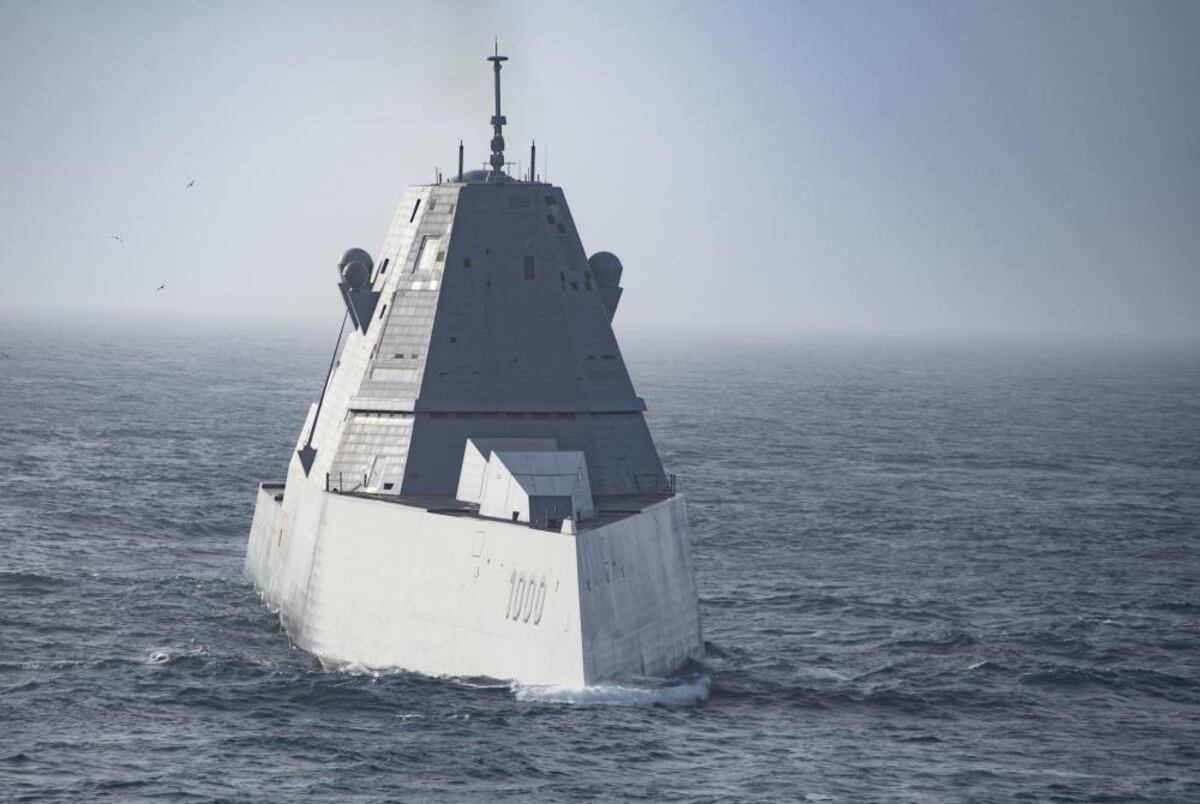
Defense News மேற்கோள் காட்டிய ஒரு அறிக்கையின்படி, தனது மூன்று ஜும்வால்ட்-வகை டெஸ்ட்ராயர்களையும் ஹைப்பர்சோனிக் தாக்குதல் தளங்களாக மாற்றுவதற்கான அமெரிக்க கடற்படையின் திட்டம் இரண்டு ஆண்டுகள் பின்னடைந்துள்ளது. இந்த தாமதம், Conventional Prompt Strike, அல்லது CPS, ஏவுகணையை கடலில் நிறுத்த வேண்டும் என்ற இராணுவத்தின் மிக உயர்ந்த சுயவிவர முயற்சிகளில் ஒன்றை பாதிக்கிறது, மேலும் ஒருங்கிணைப்பு முயற்சியின் இரு பக்கங்களிலும் உள்ள சிக்கல்கள் காரணமாக இந்த திட்டம் நெருக்கடியில் இருப்பதை அது காட்டுகிறது: கப்பல்கள் தாமே மற்றும் அவை ஏற்றிச் செல்ல வேண்டிய ஏவுகணை திட்டம்.
அரசு கணக்காய்வாளர்கள், அதிகரித்து வரும் செலவுகள், நம்பகத்தன்மை பிரச்சினைகள், உற்பத்தி சிக்கல்கள், மேலும் கூட்டு CPS முயற்சியில் கடற்படை மற்றும் இராணுவத்துக்கிடையிலான பலவீனமான ஒருங்கிணைப்பு ஆகியவற்றின் சேர்க்கையுடன் இந்த அட்டவணை சறுக்கல் தொடர்புடையது என்று கூறினர். இதன் விளைவு வெறும் மெதுவான கப்பல் மாற்ற அட்டவணை மட்டும் அல்ல. 2025ஆம் ஆண்டுக்கு திட்டமிடப்பட்டிருந்த பறப்பு சோதனை இப்போது 2027ஆம் ஆண்டுக்கு தள்ளப்பட்டுள்ளது, இதனால் ஒரு முக்கியமான சரிபார்ப்பு மைல்கல் மேலும் பின்னுக்குத் தள்ளப்பட்டுள்ளது.
வேகமான, நீண்ட தூர பாரம்பரிய தாக்குதல் விருப்பத்தை கடற்படைக்கு வழங்குவதற்காக உருவாக்கப்பட்ட இந்த திட்டத்திற்கு, இந்த பின்னடைவு ஒரு சாதாரண கொள்முதல் தாமதத்தை விட அதிகமானது. ஏற்கனவே நிலையான செயற்பாட்டு பங்கை கண்டறிய போராடியுள்ள ஒரு கப்பல் வகையை திறமையாக மீளமைக்க முடியுமா என்ற கேள்வியை இது எழுப்புகிறது.
ஜும்வால்ட்கள் ஏன் முக்கியம்
ஜும்வால்ட் திட்டம் நீண்ட காலமாக கடற்படையின் மிகவும் விவாதிக்கப்படும் மேற்பரப்பு கப்பல் முயற்சிகளில் ஒன்றாக உள்ளது. முதலில் 32 கப்பல் வகுப்பாக கருதப்பட்ட இது, செலவுகள் அதிகரித்ததும், பணிப் பொருத்தம் மற்றும் திறன் குறித்து கவலைகள் எழுந்ததும், மூன்றாகக் குறைக்கப்பட்டது. 2022ஆம் ஆண்டில், கடற்படை CPS boost-glide ஹைப்பர்சோனிக் ஆயுதத்திற்கான தளங்களில் ஒன்றாக இந்த டெஸ்ட்ராயர்களைத் தேர்ந்தெடுத்தது, இதன் மூலம் நீண்ட தூர தாக்குதலை மையமாகக் கொண்ட புதிய பணியை இந்த கப்பல்களுக்கு வழங்கியது.
CPS இரண்டு கட்ட booster-ஐ பயன்படுத்தி, 30 நிமிடங்கள் அல்லது அதற்கும் குறைவான நேரத்தில் ஆயிரக்கணக்கான மைல்கள் தூரத்தில் உள்ள இலக்குகளைத் தாக்கக்கூடிய உயரமான glider-ஐ ஏவுவதற்காக வடிவமைக்கப்பட்டுள்ளது. அந்தக் கருத்து, அணு ஆயுதங்களைப் பயன்படுத்தாமல் உயர்மதிப்புடைய இலக்குகளை ஆபத்தில் நிறுத்தக்கூடிய விரைவான பாரம்பரிய தாக்குதல் விருப்பங்களை உருவாக்க வேண்டும் என்ற கடற்படையின் பரந்த முயற்சியுடன் பொருந்துகிறது.
கோட்பாட்டில், ஜும்வால்ட்களை CPS-ஆல் ஆயுதமளிப்பது ஒரே நேரத்தில் இரண்டு பிரச்சினைகளைத் தீர்க்கிறது: இது கடற்படைக்கு கடலில் ஹைப்பர்சோனிக் ஆயுதத்தை நிறுத்தும் வழியை வழங்குகிறது, மேலும் விலையுயர்ந்த டெஸ்ட்ராயர்களுக்கு தெளிவான மூலோபாய நோக்கத்தை வழங்குகிறது. ஆனால் நடைமுறையில், இந்த ஒருங்கிணைப்பு தொழில்நுட்ப ரீதியாகவும் திட்ட ரீதியாகவும் கடினமாகத் தான் நிரூபித்துள்ளது.
திட்டமிடப்பட்டதை விட கப்பல் மாற்றங்கள் அதிக சிக்கலாக உள்ளன
Defense News மேற்கோள் காட்டிய GAO கண்டுபிடிப்புகள், DDG-1000 வகை கப்பல்களை ஏற்படுத்துவதில் பல்வேறு சிக்கல்களை சுட்டிக்காட்டுகின்றன. ஹைப்பர்சோனிக் ஏவுகணைகளையும் அவற்றின் launch tube-களையும் பொருத்துவது plug-and-play வகை மாற்றம் அல்ல. இதற்குப் பயன்பாட்டில் ஏற்கனவே தனித்துவமான அமைப்புகளைப் பயன்படுத்தும், மேலும் பராமரிக்க விலையுயர்ந்த கப்பல்களில் ஆழமான மாற்றங்கள் தேவைப்படுகிறது.
அறிக்கையிலுள்ள ஒரு எடுத்துக்காட்டு இந்த சவாலை விளக்குகிறது. launch-tube பொருத்தும் பணியின் போது கப்பலின் முன்பகுதியிலிருந்து ஒப்பந்ததாரர்கள் திட்டமிட்டதை விட அதிக கேபிள்களை அகற்றியதால், ஒரு கப்பலுக்கு ஆரம்பத்தில் எதிர்பார்த்ததை விட அதிக cabling தேவைப்பட்டது. இப்படியான மறுபிரிவு மற்றும் மீண்டும் செய்யும் பணிகள் செலவு, அட்டவணை, மற்றும் தொழில்நுட்பச் சரிபார்ப்பு முழுவதும் அலைபாயும் விளைவுகளை உருவாக்க முடியும்.
இந்த வகுப்பின் தற்போதைய sustainment சுமையையும் கணக்காய்வாளர்கள் சுட்டிக்காட்டினர். ஜும்வால்ட்கள் தனித்துவமான radar, combat, மற்றும் network அமைப்புகளைப் பயன்படுத்துகின்றன; அவற்றை பராமரிக்கவும் நிலைநிறுத்தவும் செலவானதும் கடினமும் என்று GAO கூறியது. கப்பல்கள் நம்பகமற்ற மின் அமைப்புகள் மற்றும் spare-parts சவால்களையும் சந்தித்துள்ளன. புதிய ஆயுதத் தொகுப்பைச் சேர்க்கும்போது இந்த அடிப்படைச் சிக்கல்கள் மறையாது; அவை மேம்பாட்டு சிக்கலை மேலும் அதிகரிக்கின்றன.
ஏவுகணை திட்டத்திற்கும் தன் சொந்த தடங்கல்கள் உள்ளன
இந்த தாமதம் கப்பல் தொழிலக ஒருங்கிணைப்பைப் பற்றியது மட்டும் அல்ல. ஏவுகணைத் தானும் அழுத்தத்தில் உள்ளது. மூல உரையில் நிலத்திலிருந்து நடந்த CPS சோதனைகளின் சமீபத்திய வெற்றிகள் குறிப்பிடப்பட்டாலும், தொழில்துறை அளவில், குறிப்பாக உற்பத்தியில், கணக்காய்வு அலுவலகம் முக்கியமான பிரச்சினைகள் உள்ளன என்று கூறியது.
அறிக்கையின்படி, CPS ஏவுகணை உடல் முக்கிய ஒப்பந்ததாரராகவும் உற்பத்தி ஒருங்கிணைப்புக்கு பொறுப்பானவராகவும் குறிப்பிடப்பட்ட Lockheed Martin, திட்டமிட்ட உற்பத்தி மற்றும் செலவு இலக்குகளை அடைய விடாமலும் இருக்கக்கூடிய சவால்களை எதிர்கொள்கிறது. இதில் வெப்பத்தைக் காக்கும் பூச்சு பிரச்சினைகள், தரமற்ற பாகங்கள், மற்றும் போதிய உற்பத்தி திறன் இல்லாமை அடங்கும்.
உற்பத்திக் குறைபாடு தெளிவாக உள்ளது. மூலத்தின் படி, தொழிற்சாலை தற்போது ஆண்டுக்கு ஆறு அல்லது ஏழு ஏவுகணைகள் மட்டுமே தயாரிக்க முடிகிறது; ஆனால் தேவையான விகிதம் 12. இது முக்கியமானது, ஏனெனில் கப்பல் ஒருங்கிணைப்பு முன்னேறினாலும், செயற்பாட்டு நிலைநிறுத்தம் என்பது நம்பகமான ஏவுகணை வழங்கல் தொடர், அது பெருமளவில் மற்றும் கணிக்கக்கூடிய செலவில் உற்பத்தி செய்யப்பட வேண்டும் என்பதையே சார்ந்துள்ளது.
செலவுகளும் தவறான திசையில் கூர்மையாக உயர்ந்துள்ளன. 2020ஆம் ஆண்டு கடற்படை மதிப்பீட்டில் 262 ஏவுகணைகளுக்கு 31 பில்லியன் டாலர் என கணிக்கப்பட்டது. மேற்கோள் காட்டப்பட்ட GAO எண்ணிக்கைகளின்படி, அது பின்னர் 224 ஏவுகணைகளுக்கு 41 பில்லியன் டாலராக உயர்ந்துள்ளது. வேறு வார்த்தைகளில் சொன்னால், திட்டம் ஆரம்ப மதிப்பீட்டை விட குறைவான ஏவுகணைகளை வழங்கிக்கொண்டே மேலும் செலவாகி வருகிறது.
கூட்டு இராணுவ-கடற்படை முயற்சியில் ஒருங்கிணைப்பு அழுத்தம் தெளிவாக தெரிகிறது
CPS என்பது கடற்படையின் மட்டும் திட்டம் அல்ல. கடற்படையின் கப்பல் மற்றும் நீர்மூழ்கிக் கப்பல் மூலம் ஏவப்படும் பதிப்பு, இராணுவத்தின் நிலை அடிப்படையிலான Long-Range Hypersonic Weapon உடன் தொடர்பைக் கொண்டுள்ளது. இப்படியான கூட்டு அணுகுமுறை பொதுவாக மேம்பாட்டு செலவுகளை பகிர்ந்து, பொதுக் கூறுகள் மூலம் துறையமர்த்தலை வேகப்படுத்துவதற்காக உருவாக்கப்படுகிறது. ஆனால் இதனால் சேவைகளுக்கிடையே சார்புகளும் உருவாகின்றன.
அறிக்கையின்படி, கூட்டு திட்டத்தில் பணியை கடற்படை மற்றும் இராணுவம் பயனுள்ள முறையில் ஒருங்கிணைக்கவில்லை என்று கூறப்படுகிறது. இவ்வளவு தொழில்நுட்பத் தேவையுள்ள அமைப்பில், மோசமான ஒருங்கிணைப்பு நேரடியாக அட்டவணை நிலைகுலைவு, இரட்டிப்பு முயற்சி, மற்றும் சோதனை, உற்பத்தி, மற்றும் துறையமர்த்தல் தொடர் குறித்து பொருந்தாத முன்னணிப்புகளாக மாறலாம்.
இது ஜும்வால்ட் வகுப்பைத் தாண்டியும் முக்கியமானது. அதே ஏவுகணை குடும்பம் Virginia-class தாக்குதல் நீர்மூழ்கிக் கப்பல்களுக்கும் திட்டமிடப்பட்டுள்ளது. ஆகவே உற்பத்தி, சோதனை, அல்லது கூட்டு ஆளுகையில் ஏற்படும் சிக்கல்கள் ஒரே ஒரு கப்பல் நவீனமயமாக்கல் முயற்சியைக் காட்டிலும் பரவலான தாக்கத்தை ஏற்படுத்தலாம்.
தாமதம் மூலோபாய ரீதியில் என்ன அர்த்தம்
இரண்டு ஆண்டு சறுக்கல் கடற்படையின் ஹைப்பர்சோனிக் இலக்குகளை முடிவுக்கு கொண்டு வராது; ஆனால் ஆயுதங்கள் இன்னும் முதிர்ச்சி அடைந்துகொண்டிருக்கும் நிலையில், அசாதாரண தளங்களில் மேம்பட்ட ஆயுதங்களை நிறுத்துவது எவ்வளவு கடினம் என்பதை இது காட்டுகிறது. ஹைப்பர்சோனிக் அமைப்புகள் வேகம், தூரம், மற்றும் குறைந்த எதிர்வினை நேரத்தை வாக்குறுதி அளிக்கின்றன; ஆனால் அந்த நன்மைகள் அனைத்தும் வழங்கலை நேரத்தில் ஆதரிக்கக்கூடிய supply chain, சோதனை அட்டவணை, மற்றும் host platform-ஐ சார்ந்துள்ளன.
கடற்படைக்காக, ஜும்வால்ட் விவகாரம் குறிப்பாக நுணுக்கமானது, ஏனெனில் இந்த டெஸ்ட்ராயர்கள் ஏற்கனவே செலவு மற்றும் பணிப் பொருத்தம் குறித்து ஆண்டுகளாக ஆய்வுக்கு உட்பட்டுள்ளன. CPS ஐ வெற்றிகரமாக துறையமர்த்துவது இந்த வகுப்பை ஒரு சிறப்பு மூலோபாய சொத்தாக மீள்படைக்கக்கூடும். தொடர்ச்சியான தாமதம் அதற்கு எதிர்ப்புறமாகச் செயல்படுகிறது: கப்பல்கள் கோட்பாட்டில் பயனுள்ளவையாகத் தோன்றினாலும் நடைமுறையில் தொடர்ந்து கடினமானவையாகவே உள்ளன என்ற பார்வையை அது வலுப்படுத்துகிறது.
2025 இலிருந்து 2027 வரை பறப்பு சோதனையின் அட்டவணை மாற்றம், ஒரு மைல்கல் தாமதமாக மட்டுமல்லாமல், ஒருங்கிணைப்பு சவால் இன்னும் கட்டுப்பாட்டில் இல்லை என்பதற்கான சைகையாகவும் முக்கியமானது. நம்பகமான கப்பல் மாற்றங்கள், நிலையான ஏவுகணை உற்பத்தி, மற்றும் சிறந்த கூட்டு ஒருங்கிணைப்பு ஆகியவற்றை கடற்படை காட்டும் வரை, செயற்பாட்டு கடல்-அடிப்படையிலான ஹைப்பர்சோனிக் திறனுக்கான பாதை உறுதியற்றதாகவே இருக்கும்.
முக்கிய குறிப்புகள்
- ஜும்வால்ட் டெஸ்ட்ராயர்களில் CPS ஹைப்பர்சோனிக் ஏவுகணைகளை பொருத்தும் கடற்படையின் முயற்சி இரண்டு ஆண்டுகள் பின்னடைந்துள்ளது.
- GAO, கப்பல் மாற்றத்தின் சிக்கல், வகுப்பின் நம்பகத்தன்மை சிக்கல்கள், உற்பத்தி கட்டுப்பாடுகள், மற்றும் கடற்படை-இராணுவ பலவீனமான ஒருங்கிணைப்பு ஆகியவற்றைக் குறிப்பிடுகிறது.
- 2025ஆம் ஆண்டுக்கு முன்பு திட்டமிடப்பட்டிருந்த ஏவுகணை பறப்பு சோதனை இப்போது 2027ஆம் ஆண்டுக்கு தள்ளப்பட்டுள்ளது, இதனால் ஒரு முக்கிய சரிபார்ப்பு மைல்கல் தாமதமாகியுள்ளது.
இந்த கட்டுரை Defense News செய்திப்பதிவை அடிப்படையாகக் கொண்டது. மூல கட்டுரையைப் படிக்கவும்.
Originally published on defensenews.com