நான்கு மைல் நீர் கீழே ஒரு கல்லறை
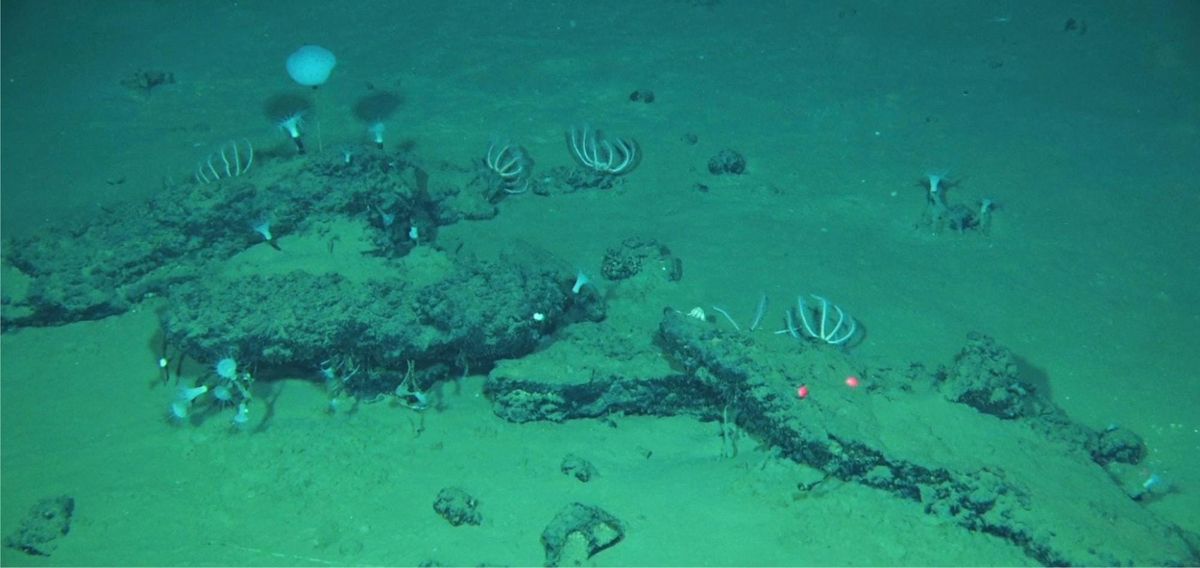
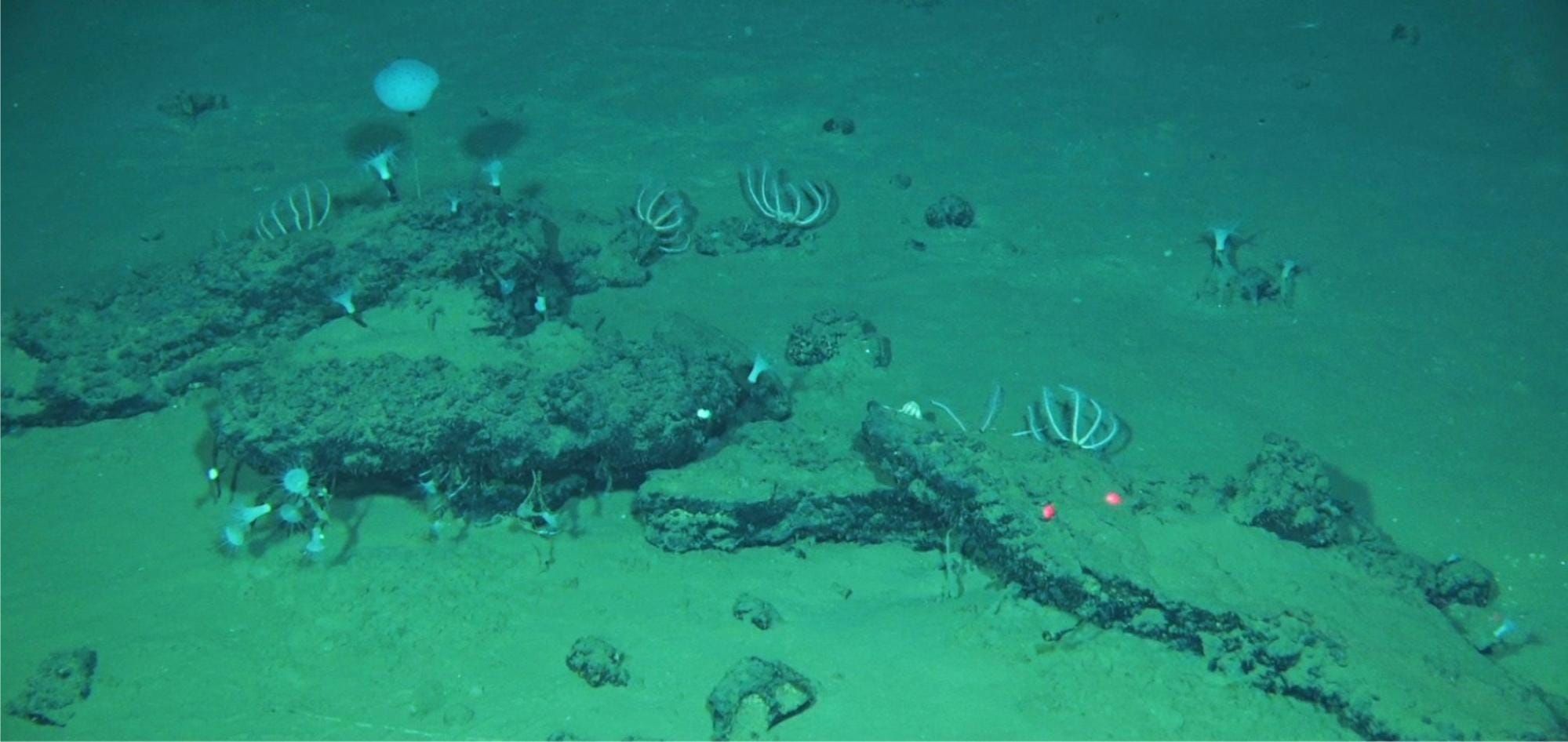
ஆராய்ச்சியாளர்கள் இதுவரை கண்டறியப்பட்ட மிகப்பெரிய, மிக ஆழமான, மற்றும் மிகப் பழமையான திமிங்கில நெக்ரோபோலிஸாக அவர்கள் விவரிப்பதை அடையாளம் கண்டுள்ளனர்: இந்தியப் பெருங்கடலின் Diamantina Zone-இல் பரந்து கிடக்கும் ஒரு பெரிய கல்லறை, இதில் மில்லியன் கணக்கான ஆண்டுகளில் படிந்த நூற்றுக்கணக்கான cetacean எச்சங்கள் உள்ளன. இந்த இடம் சுமார் 745 மைல்கள் பரவியுள்ளது; இதில் fosil skeletons உடனும், உயிருடன் உள்ள கடல்தள சமூகங்களுக்கு இன்னும் ஆதரவளிக்கும் சமீபத்திய whale falls உடனும் உள்ளது.
அளவு மட்டுமே இந்தக் கண்டுபிடிப்பை அபூர்வமாக்குகிறது. Whale falls ஏற்கனவே கடலின் மிகத் தனித்துவமான ecological நிகழ்வுகளில் ஒன்றாகும்; ஒரு ஒரே உடலை ஆழ்கடல் தளத்தில் நீண்டகால உணவு மற்றும் வாழ்விட மூலமாக மாற்றுகின்றன. இங்கே விஞ்ஞானிகள் ஒரு தனித்த feeding site அல்ல, சுமார் 5.3 million ஆண்டுகளாகத் தொடர்ந்து சேர்ந்து வந்த whale எச்சங்களின் விரிவான களஞ்சியத்தை, அதாவது அழிவு வரலாற்றையும் இன்றைய ecological செயல்பாடையும் ஒருசேர பதிவுசெய்யும் ஒரு காப்பகத்தை விவரிக்கிறார்கள்.
இந்த இடம் எவ்வாறு கண்டுபிடிக்கப்பட்டது
இந்த எச்சங்கள் 2023 தொடக்கத்தில் dives போது crewed submersible Fendouzhe குழுவினரால் கண்டறியப்பட்டன; இது கிட்டத்தட்ட ஏழு மைல் ஆழம் வரை செல்ல முடியும். ஆராய்ச்சியாளர்கள் கடலின் ஒரு பகுதியில் நான்கு மைல்களுக்கு மேற்பட்ட நீருக்கு அடியில் எலும்புகளை கண்டனர்; அந்தப் பகுதி முன்பு whale-fall concentrations இவ்வளவு அளவில் இருக்கும் இடமாக அறியப்படவில்லை.
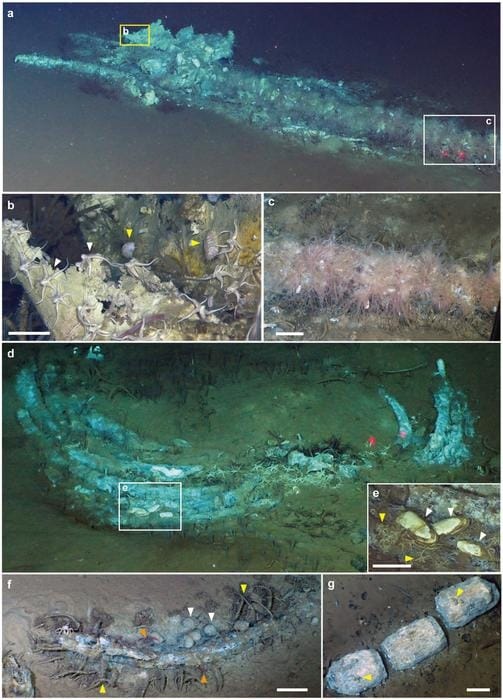
வழங்கப்பட்ட source text படி, குழு 476 fossil cetaceans உடனும், ஐந்து modern natural whale-fall communities உடனும் பதிவு செய்தது. அழிந்துபோன பல விலங்குகள் deep-diving beaked whales ஆக இருக்கக்கூடும். Fossil abundance மற்றும் active ecosystems இணைந்திருப்பது இந்த இடத்திற்கு அபூர்வமான இரட்டை மதிப்பை அளிக்கிறது: இது ஒரே நேரத்தில் paleontological record ஆகவும் உயிருடன் இருக்கும் ecological laboratory ஆகவும் உள்ளது.

மரணத்தின் மீது கட்டப்பட்ட வாழ்வு
மிகவும் குறிப்பிடத்தக்க விவரங்களில் ஒன்று, உயிருடன் உள்ள whale-fall communities எவ்வளவு உற்பத்தி திறனுடன் உள்ளன என்பதாகும். source bone-eating worms, gastropods, vesicomyid bivalves, brittle stars, crustaceans, molluscs, மற்றும் microbes ஆகியவற்றின் அடர்த்தியான மக்கள்தொகைகளை விவரிக்கிறது. உள்ளூர் அடர்த்தி ஒரு சதுர மீட்டருக்கு 2,840 தனிநபர்கள் வரை இருந்ததாக தெரிவிக்கப்படுகிறது.
அந்த அடர்த்தி, ஆழ்கடலில் whale falls ஏன் இவ்வளவு முக்கியம் என்பதை வலுப்படுத்துகிறது. உணவு அரிதாகவும் கணிக்க முடியாத வகையிலும் வரும் ஒரு சூழலில், ஒரு பெரிய உடல் நீண்ட காலத்திற்கு முழு உயிரியல் தொடர்களை ஆதரிக்கும் energy subsidy ஆக செயல்படலாம். எலும்புகள், திசுக்கள், மற்றும் decomposition-இன் வேதியியல் அனைத்தும் சிறப்பு உயிரினங்களுக்கு வாய்ப்புகளை உருவாக்குகின்றன. Diamantina கண்டுபிடிப்பு, geologic time-இல் whale input போதுமான அளவில் தொடர்ந்தால், அந்த வாய்ப்புகள் ஒரே இடத்தில் மட்டுமல்ல, ஒரு பெரிய deep-sea corridor முழுவதிலும் நிலைத்திருக்க முடியும் என்பதைச் சுட்டுகிறது.
மீட்கப்பட்ட பெரும்பாலான taxa அறிவியலுக்கு புதியதாக இருக்கக்கூடும் என்றும் research team தெரிவித்துள்ளது. அது உறுதி செய்யப்பட்டால், இந்தக் கல்லறை வெறும் அறிமுகமான deep-ocean scavengers ஒரு அபூர்வ உணவு மூலத்தைப் பயன்படுத்தியதற்கான பதிவாக மட்டுமல்ல. அது பூமியில் மிகத் தீவிரமான habitat வகைகளில் ஒன்றுக்கு ஏற்றப்படுத்தப்பட்ட, இதுவரை பதிவு செய்யப்படாத biodiversity-யின் களஞ்சியமாகவும் இருக்கலாம்.
இந்த இடம் ஏன் உருவானது
beaked whales squid மற்றும் fish போன்ற நிறைந்த இரையைத் தொடர்ந்து இந்த ஆழ்ந்த நீருக்கு மீண்டும் மீண்டும் ஈர்க்கப்பட்டிருக்கலாம் என்று ஆராய்ச்சியாளர்கள் கருதுகின்றனர். இதுவே இங்கு ஏன் இவ்வளவு நீண்ட காலம் உடல்கள் குவிந்தன என்பதை விளக்க உதவும். வளமான உணவு வாய்ப்புகளை வழங்கிய அதே ஆழம், இறப்பு அபாயத்தையும் அதிகரித்திருக்கலாம். சில திமிங்கிலங்கள் இவ்வளவு ஆழமாக மூழ்கியதால் decompression sickness அல்லது உயிரிழப்புக்குரிய சோர்வு ஏற்பட்டிருக்கலாம்.
ஒரு working hypothesis என்ற வகையிலும் இந்த விளக்கம் வெளிப்படையானது. இது இந்த necropolis-ஐ சீரற்ற எச்சங்களின் சிதறலாக அல்ல, மீண்டும் மீண்டும் நிகழும் ecological pattern-இன் விளைவாக காட்டுகிறது; இதில் நடத்தை, இரை விநியோகம், மற்றும் மிகுந்த ஆழம் ஒன்றிணைந்து ஒரு பகுதியை deep-diving whales-க்கு ஈர்ப்பும் ஆபத்தும் நிறைந்த இடமாக மாற்றின.

Whale-fall ஆராய்ச்சிக்கான புதிய அளவுகோல்
வழங்கப்பட்ட source text படி, இந்தக் கண்டுபிடிப்பு whale-fall ecosystems-ன் அறியப்பட்ட ஆழ வரம்பை 2,500 மீட்டருக்கும் மேலாக விரிவாக்குகிறது. அதனால் marine scientists இவ்வகை habitat-கள் எங்கு உருவாக முடியும், மேலும் கடலின் மிக ஆழமான பகுதிகளில் அவை எவ்வளவு அடிக்கடி நிகழலாம் என்பதைக் குறித்த முன்கணிப்புகளை மறுபரிசீலனை செய்ய வேண்டிய காரணம் கிடைக்கிறது.
இது deep-sea exploration technologies-இன் முக்கியத்துவத்தையும் கூர்மையாக்குகிறது. இவ்வளவு ஆழத்தை எட்டக்கூடிய submersible இல்லாமல், இந்த இடம் மறைந்தே இருந்திருக்கும். abyssal plain-ன் பெரும்பகுதி இன்னும் நேரடி கண்காணிப்பின்றி உள்ளது, மேலும் இதுபோன்ற கண்டுபிடிப்புகள் மனித அணுகல் மிகக் குறைவாக இருந்த இடங்களில் பெரிய ecological மற்றும் paleontological அம்சங்கள் இன்னும் காத்திருக்கக்கூடும் என்பதைக் காட்டுகின்றன.
Diamantina necropolis பல கால அளவுகளில் ஒரே நேரத்தில் இயங்குவதால் கவர்ச்சிகரமானது. இது மில்லியன் கணக்கான ஆண்டுகளாக நடந்த திமிங்கில மரணங்களின் பதிவாகவும், ஆழ்கடல் ஊட்டச்சத்து பரிமாற்றத்தின் தொடர்ச்சியையும் பிடித்து வைத்தும், அந்தப் பழங்கால pattern-களுக்கு பதிலளித்து இன்னும் உருவெடுத்து கொண்டிருக்கும் உயிர் சமூகங்களையும் தாங்கியும் நிற்கிறது. வேறு வார்த்தைகளில் சொன்னால், இது வெறும் கல்லறை அல்ல. மீண்டும் மீண்டும் ஏற்பட்ட இழப்புகளால் அமைக்கப்பட்ட, இருட்டில் பாதுகாக்கப்பட்ட, இப்போது தான் வெளிச்சத்திற்கு வரும் ஒரு ecosystem ஆகும்.
இந்தக் கட்டுரை 404 Media-யின் செய்திப்பதிவை அடிப்படையாகக் கொண்டது. மூலக் கட்டுரையைப் படிக்கவும்.
Originally published on 404media.co