Three Visitors in Less Than a Decade
For millennia, humanity observed the solar system without detecting a single object from interstellar space. Then, in less than ten years, three confirmed interstellar visitors have been identified: the enigmatic 'Oumuamua in 2017, the more conventional Comet Borisov in 2019, and now 3I/ATLAS. The sudden cluster of discoveries has prompted astronomers to explain not why interstellar objects have started arriving, but why we have only just begun to see them.
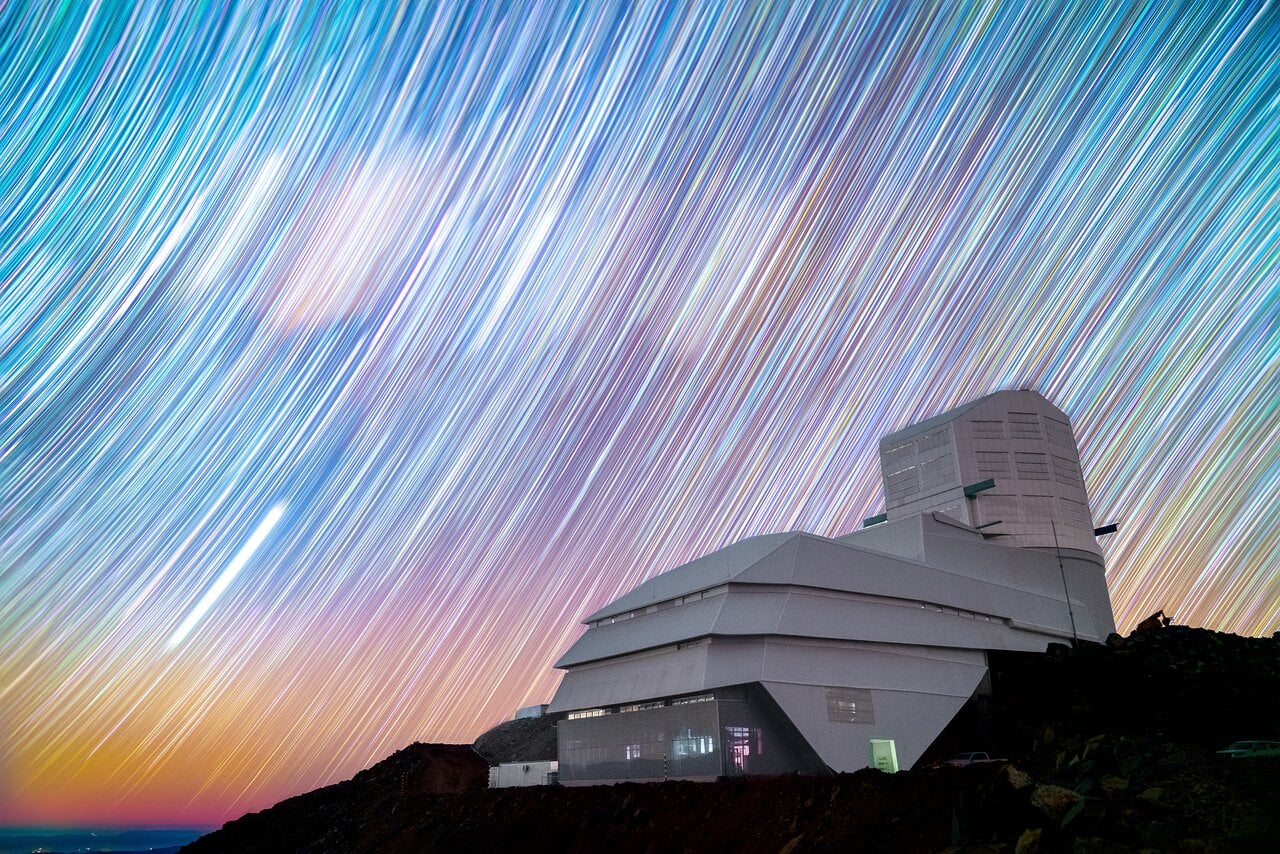
The answer, researchers now explain, lies not in the sky but in our instruments. The arrival of powerful new survey telescopes, particularly the Vera C. Rubin Observatory currently being commissioned in Chile, has fundamentally changed our ability to detect faint, fast-moving objects passing through the solar system. We have essentially turned on the porch lights for the first time, as one astronomer describes it.
Why Now: The Survey Revolution
Prior to the current generation of astronomical surveys, detecting an interstellar object required it to pass close to the Sun, become bright enough for existing telescopes to spot, and be noticed by human observers among the thousands of known solar system objects moving through the same fields of view. The probability of all three conditions being met simultaneously was extremely low.
Modern survey telescopes have changed the equation dramatically. Automated survey programs scan the entire visible sky repeatedly, using sophisticated software to identify new objects and calculate their orbits within hours of detection. The combination of larger telescopes, more sensitive digital detectors, and advanced computational analysis means that objects that would have been invisible to previous generations of astronomers are now routinely discovered.
The Vera C. Rubin Observatory, with its 8.4-meter primary mirror and 3.2-gigapixel camera, will survey the entire visible sky every few nights when it reaches full operations. Astronomers estimate that it could detect dozens of interstellar objects during its planned decade of observations, transforming interstellar visitor detection from a rare event to a routine occurrence.
What 3I/ATLAS Tells Us
Each interstellar visitor provides a unique opportunity to study material from another star system. 'Oumuamua, the first, generated enormous scientific interest but also frustration, as it was discovered only as it was already leaving the solar system, limiting the observations that could be made. Its unusual shape and non-gravitational acceleration sparked debate about its nature that continues to this day.
Comet Borisov, discovered while still approaching the Sun, allowed much more thorough study and appeared to be a relatively normal comet, albeit one that formed around a different star. Its composition provided the first direct comparison between a comet from another star system and the comets native to our own.
3I/ATLAS represents the next step in this progression. Detected even earlier in its solar system passage and studied with more advanced instruments than were available for its predecessors, the third interstellar visitor is providing the most detailed dataset yet of an object from beyond our solar system. Spectroscopic analysis of its composition, measurements of its outgassing behavior, and precise tracking of its trajectory are all contributing to a growing understanding of what other planetary systems produce.
Implications for Planetary Formation
The detection of multiple interstellar objects has broader implications for our understanding of how planetary systems form and evolve. Theoretical models predict that the process of planet formation is inherently messy, with vast quantities of material ejected from young star systems by gravitational interactions with forming giant planets.
The frequency with which we are now detecting interstellar visitors is consistent with these models, suggesting that interstellar space is filled with countless trillions of small objects ejected from planetary systems throughout the galaxy's history. Each one carries information about the chemistry and conditions of its home system, making them potential probes of planetary formation across the Milky Way.
Future Exploration
The increasing frequency of interstellar object detections has reinvigorated proposals for spacecraft missions to intercept and study these visitors up close. Several mission concepts have been proposed, including designs that would use advanced propulsion systems to match velocity with an interstellar object and study it for months rather than the brief observing windows available from Earth-based telescopes.
The European Space Agency's Comet Interceptor mission, currently under development, is designed to wait at the Sun-Earth Lagrange point for a suitable target, whether a new long-period comet or an interstellar visitor. If 3I/ATLAS or a future interstellar object presents a favorable trajectory, the mission could provide the first close-up observations of material from another star system.
The era of interstellar astronomy has truly begun, powered not by an increase in cosmic visitors but by humanity's growing ability to see what has always been passing through our cosmic neighborhood.
This article is based on reporting by Universe Today. Read the original article.
Originally published on universetoday.com