Half a Thousand Satellites in Under Two Months
SpaceX has reached a remarkable milestone, lofting its 500th Starlink satellite of 2026 aboard a Falcon 9 rocket launched from Cape Canaveral, Florida. The achievement, coming before the end of February, represents a launch cadence that would have been considered science fiction just a decade ago — the company is deploying satellites at a rate that dwarfs every other space operator on Earth combined.
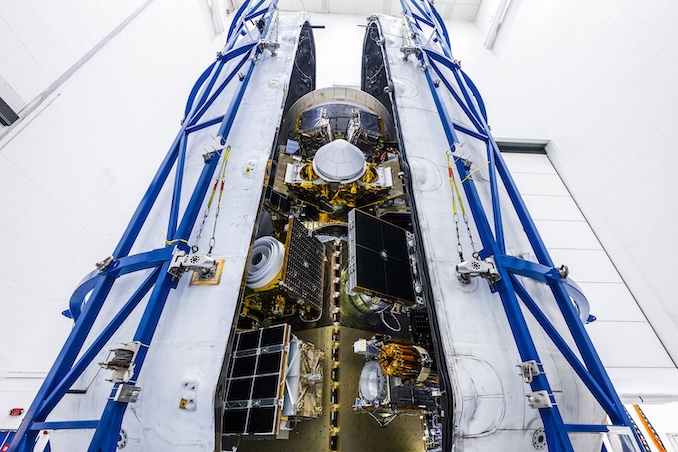
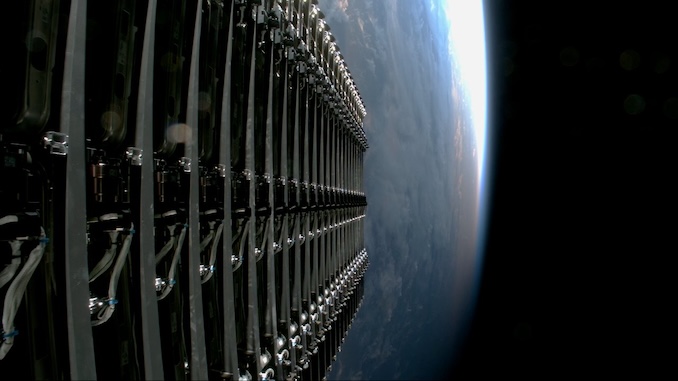
The Wednesday flight carried a batch of Starlink satellites into low Earth orbit, joining the constellation of more than 7,000 operational spacecraft that provide broadband internet service to millions of subscribers across every continent. Each Falcon 9 mission typically deploys between 23 and 29 Starlink satellites, meaning SpaceX has conducted roughly 20 Starlink-dedicated launches in the first 56 days of the year.
The Numbers Behind the Pace
SpaceX's 2026 launch tempo represents a significant acceleration even over the company's already record-setting 2025 performance. The company has been averaging a Falcon 9 launch every two to three days, with turnaround times between missions shrinking as ground operations become more efficient and the reusable booster fleet grows.
The Starlink constellation requires continuous replenishment and expansion. Satellites in low Earth orbit experience atmospheric drag that gradually lowers their altitude, requiring periodic replacement even without the addition of new capacity. SpaceX's manufacturing facility in Redmond, Washington, produces satellites at a rate that matches the launch cadence, with each spacecraft rolling off the production line in a matter of days rather than the months or years typical of traditional satellite manufacturers.
- SpaceX has launched over 7,000 Starlink satellites since the constellation's first deployment in 2019
- The Falcon 9 rocket has achieved over 400 successful missions with a reliability rate exceeding 99 percent
- Individual Falcon 9 first-stage boosters have flown as many as 33 times
- Starlink now serves subscribers in more than 80 countries worldwide
Reusability Driving the Revolution
The pace of Starlink deployment is made possible by the Falcon 9's reusable first stage, which returns to Earth after each launch for refurbishment and reflying. This capability has transformed the economics of spaceflight, reducing the marginal cost of each launch to a fraction of what expendable rockets require and enabling a flight rate that would bankrupt any operator using throwaway hardware.
SpaceX's booster fleet now includes dozens of flight-proven first stages, several of which have flown more than 25 times each. The company's recent record — a single booster completing its 33rd flight — demonstrates a level of hardware reuse that has no precedent in the history of rocketry. Each successful reflight validates the engineering decisions and inspection protocols that make reuse reliable at scale.
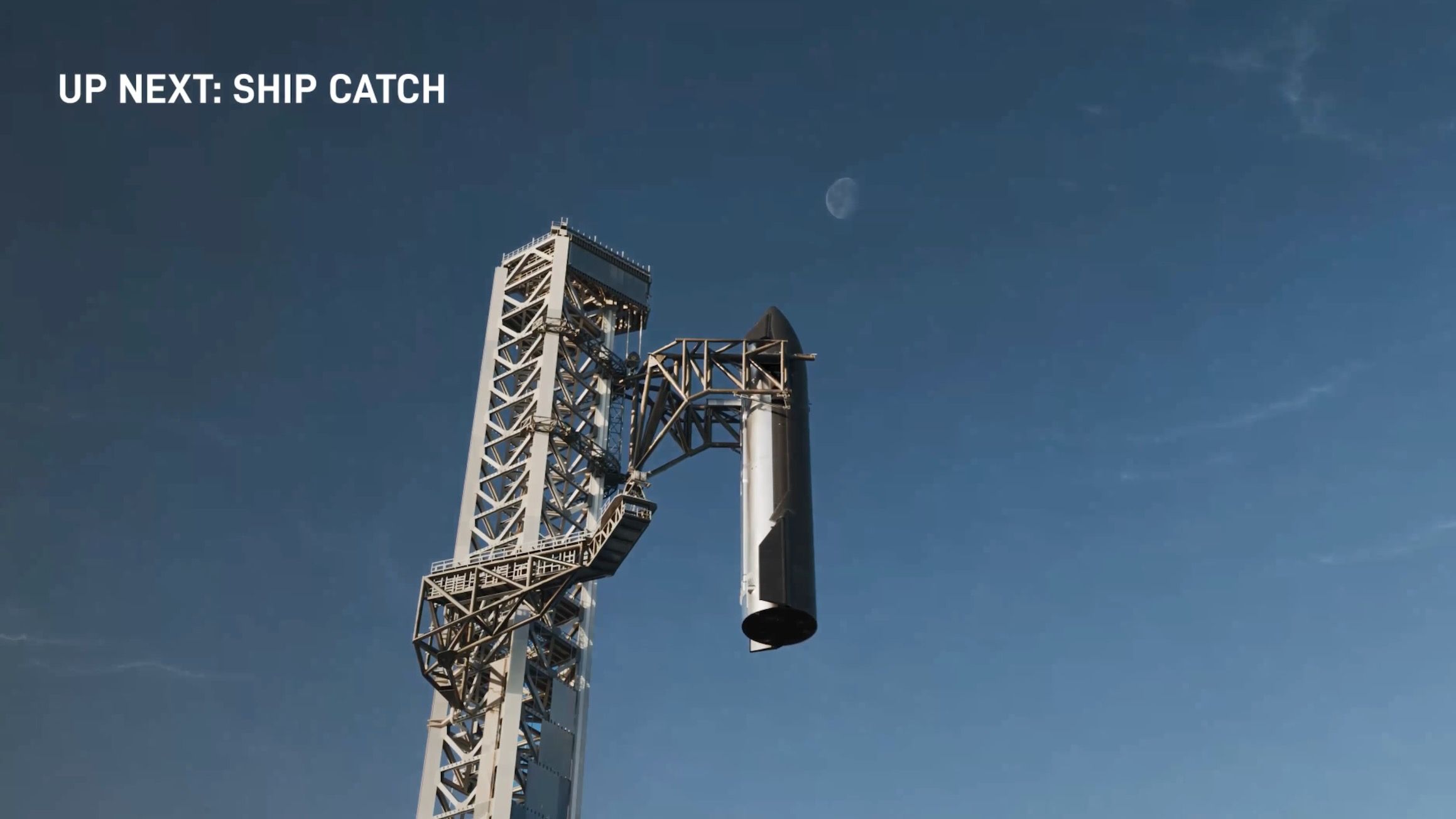
The second stage of the Falcon 9 remains expendable, representing the primary per-mission hardware cost. SpaceX's next-generation Starship vehicle is designed to make both stages reusable, which could further reduce launch costs and increase flight rates once it achieves operational status.
Competitive and Regulatory Landscape
SpaceX's dominance in the launch market is creating competitive pressure across the industry. Amazon's Project Kuiper, which aims to build a rival satellite internet constellation, has secured launch contracts with United Launch Alliance, Arianespace, and Blue Origin, but has yet to begin commercial service. OneWeb, now merged with Eutelsat, operates a smaller constellation in a higher orbit with different performance characteristics.
The sheer number of Starlink satellites in orbit has raised concerns among astronomers, who report that the spacecraft create bright streaks in telescope images that interfere with scientific observations. SpaceX has implemented several mitigation measures, including visors and low-reflectivity coatings on newer satellites, but the issue remains a point of tension between the space industry and the scientific community.
Regulatory bodies, including the Federal Communications Commission and the International Telecommunication Union, continue to develop frameworks for managing the growing population of satellites in low Earth orbit. Orbital debris, frequency coordination, and end-of-life disposal are all areas where the rapid expansion of mega-constellations is outpacing existing regulatory infrastructure.

What 500 Satellites in Two Months Means
The 500-satellite milestone in fewer than 60 days is more than a vanity metric for SpaceX. It demonstrates the operational maturity of a vertically integrated space company that designs its own rockets, builds its own satellites, operates its own ground stations, and sells internet service directly to consumers. No other entity in the history of spaceflight has achieved this degree of end-to-end integration at this scale.
For the broader space industry, SpaceX's cadence sets a benchmark that competitors must aspire to match if they hope to compete in the emerging space-based connectivity market. The company's ability to sustain and even accelerate its launch rate suggests that the ceiling of what is operationally possible in commercial spaceflight has not yet been reached.
This article is based on reporting by Spaceflight Now. Read the original article.
Originally published on spaceflightnow.com