Rocket Lab's Hypersonic Launch Contract
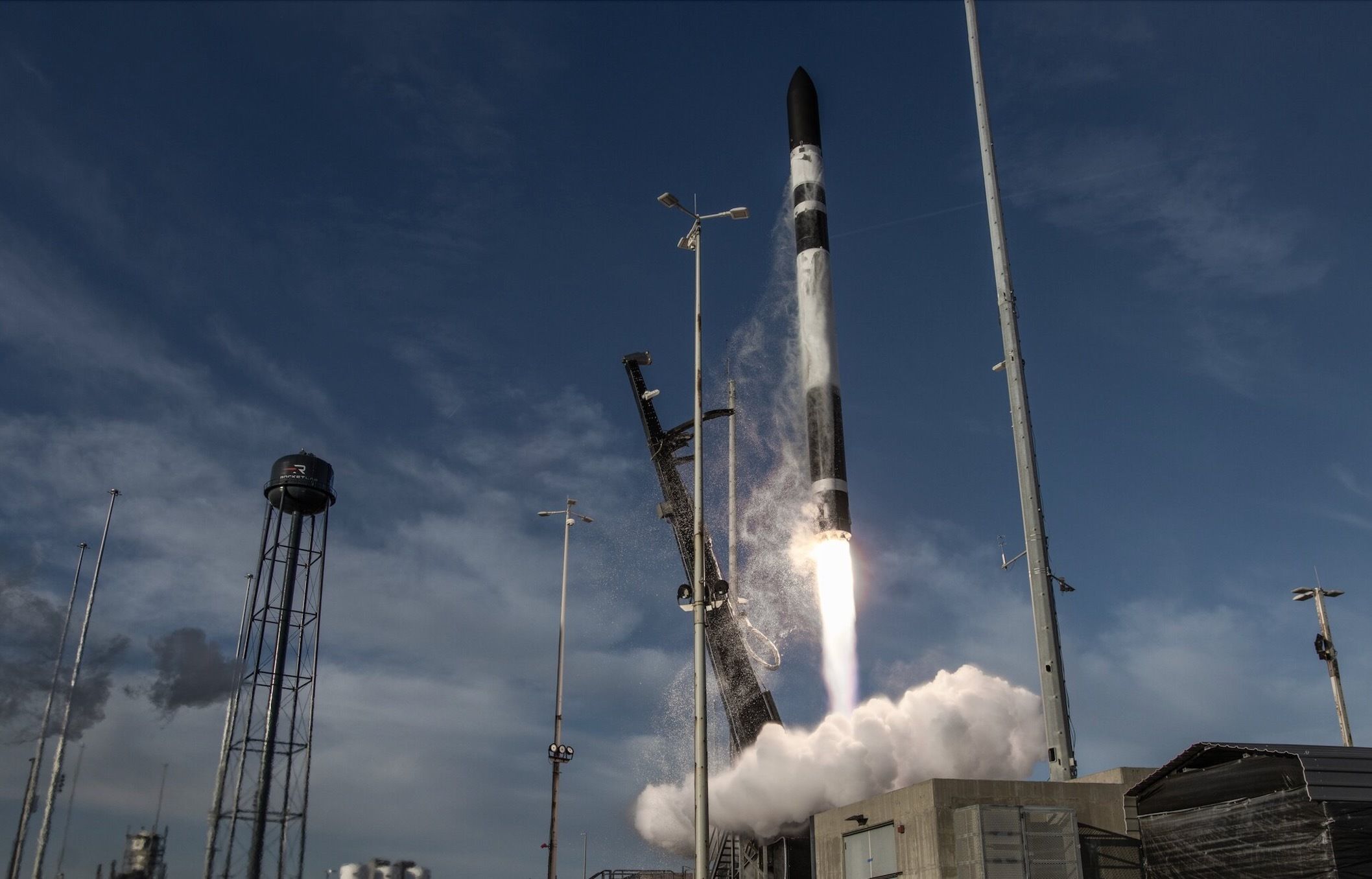
Rocket Lab has won a $190 million contract to provide launch and flight test services for U.S. military hypersonic technology programs, in what the company is characterizing as its largest defense contract to date and a significant expansion of its strategic role in national security space and defense applications. The contract involves multiple flights of Rocket Lab's Electron launch vehicle and its HASTE (Hypersonic Accelerator Suborbital Test Electron) variant, a modified platform specifically designed for hypersonic test mission profiles.
Hypersonic weapons — broadly defined as systems capable of sustained flight at Mach 5 and above — have become a top U.S. military research and development priority following the demonstrated deployment of hypersonic missiles by Russia in the Ukraine conflict and continued development by China of both glide vehicle and air-breathing cruise missile variants. The U.S. has been working to close a perceived gap in deployed hypersonic capability while simultaneously developing countermeasures, and frequent test flights are essential to accelerating both programs.
Why Rocket Lab for Hypersonic Testing
Rocket Lab's HASTE vehicle fills a specific gap in the test infrastructure available to hypersonic programs. Large hypersonic test programs have traditionally relied on major launch systems that are expensive, have long lead times, and cannot be launched at the frequency needed to rapidly iterate on vehicle designs and test new sensor packages. Electron's small size and Rocket Lab's high launch cadence — the company has conducted more than 50 missions — make it possible to run multiple hypersonic test flights per year at a fraction of the cost of using larger launch vehicles.
HASTE is configured to carry test payloads to hypersonic flight conditions on suborbital trajectories — reaching the altitude and velocity regimes where hypersonic aerodynamics, heating, and guidance systems operate — before the payload's reentry replicates conditions relevant to the systems being tested. This allows weapons developers, sensor engineers, and countermeasure teams to get flight data at hypersonic speeds without needing to fly complete weapons systems end-to-end.

The Hypersonic Arms Race Context
The contract reflects the urgency the Pentagon has attached to hypersonic technology development since Russia's use of Kinzhal missiles against Ukrainian targets demonstrated that deployed hypersonic weapons are no longer theoretical. China's DF-17 hypersonic glide vehicle and its reported progress on air-breathing hypersonic cruise missiles have added further urgency to U.S. development timelines, and defense officials have repeatedly testified that closing the hypersonic capability gap is among the highest-priority defense technology investments.
Both offensive and defensive hypersonic programs require extensive flight testing. On the offensive side, guidance algorithms, thermal protection systems, and warhead delivery mechanisms all need to be validated at flight speeds that ground test facilities can only partially replicate. On the defensive side, developing radar systems, tracking algorithms, and interceptors capable of engaging hypersonic threats requires detailed knowledge of their flight signatures — knowledge that comes primarily from flying actual test vehicles.
Rocket Lab's Strategic Positioning
The $190 million award is a significant revenue event for Rocket Lab and validates the company's strategy of positioning itself as a defense-oriented launch provider rather than competing purely on commercial satellite launch economics. The company has been investing in infrastructure at its New Zealand launch site and at a new U.S. launch facility in Virginia specifically to support defense launch requirements, including rapid-response launch timelines that commercial missions do not demand.
Rocket Lab CEO Peter Beck has repeatedly framed the company's ambitions as extending well beyond launch into space systems and services, and the hypersonic contract fits that vision: it involves not just launching a rocket but providing the full flight test service, including range coordination, telemetry, and data analysis that defense customers need to extract actionable results from test flights.

Competition and Industry Dynamics
The contract positions Rocket Lab in competition with traditional defense aerospace players like Northrop Grumman and Lockheed Martin's Sandia programs. The hypersonic test market is expected to grow substantially as both the Conventional Prompt Strike and hypersonic glide body programs mature, and early positioning in the test infrastructure market creates relationships and past performance records that become competitive advantages in future awards. The win also demonstrates that the small launch vehicle market has found a sustainable niche in defense applications that supplements or partially offsets commercial market headwinds from SpaceX's dominance in rideshare missions.
This article is based on reporting by Space.com. Read the original article.
Originally published on space.com