Humanity Returns to the Moon — With a Crew
For the first time since December 1972, human beings are about to travel to the Moon. NASA has confirmed that Artemis II — the first crewed mission of the agency's Artemis program — is targeted for launch no earlier than April 1, 2026. The two-hour launch window opens at 6:24 p.m. EDT from Kennedy Space Center in Florida, with additional opportunities extending through April 6 if weather or technical conditions require a delay.
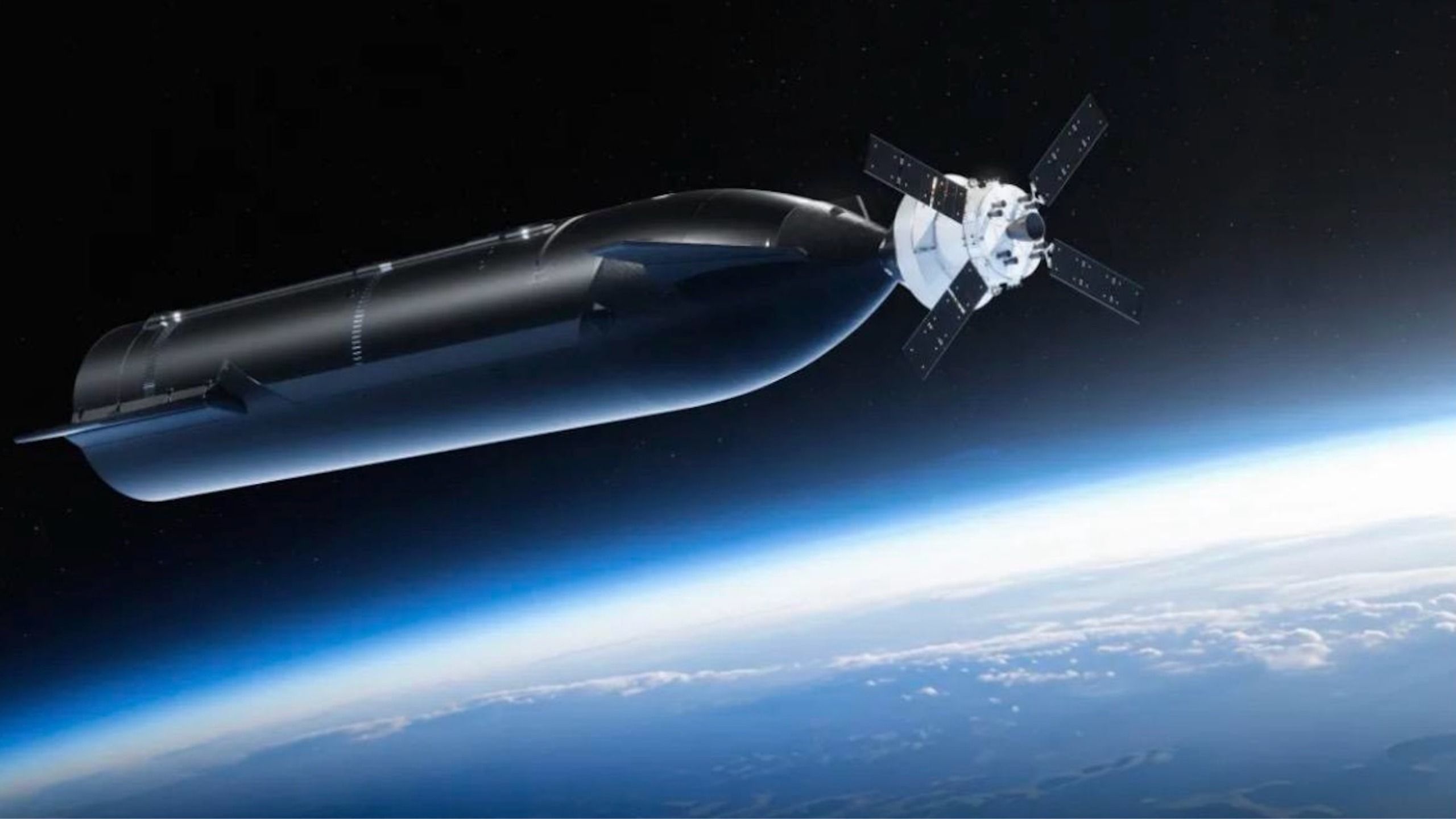
The mission will carry four astronauts aboard the Orion spacecraft on a roughly 10-day journey around the Moon and back. It is not a landing — that milestone is reserved for a future Artemis mission — but it is the critical crewed validation flight that must succeed before NASA will commit to sending astronauts to the lunar surface. After years of development, one uncrewed Artemis I test flight in 2022, and multiple schedule delays, the moment is finally here.
The Crew
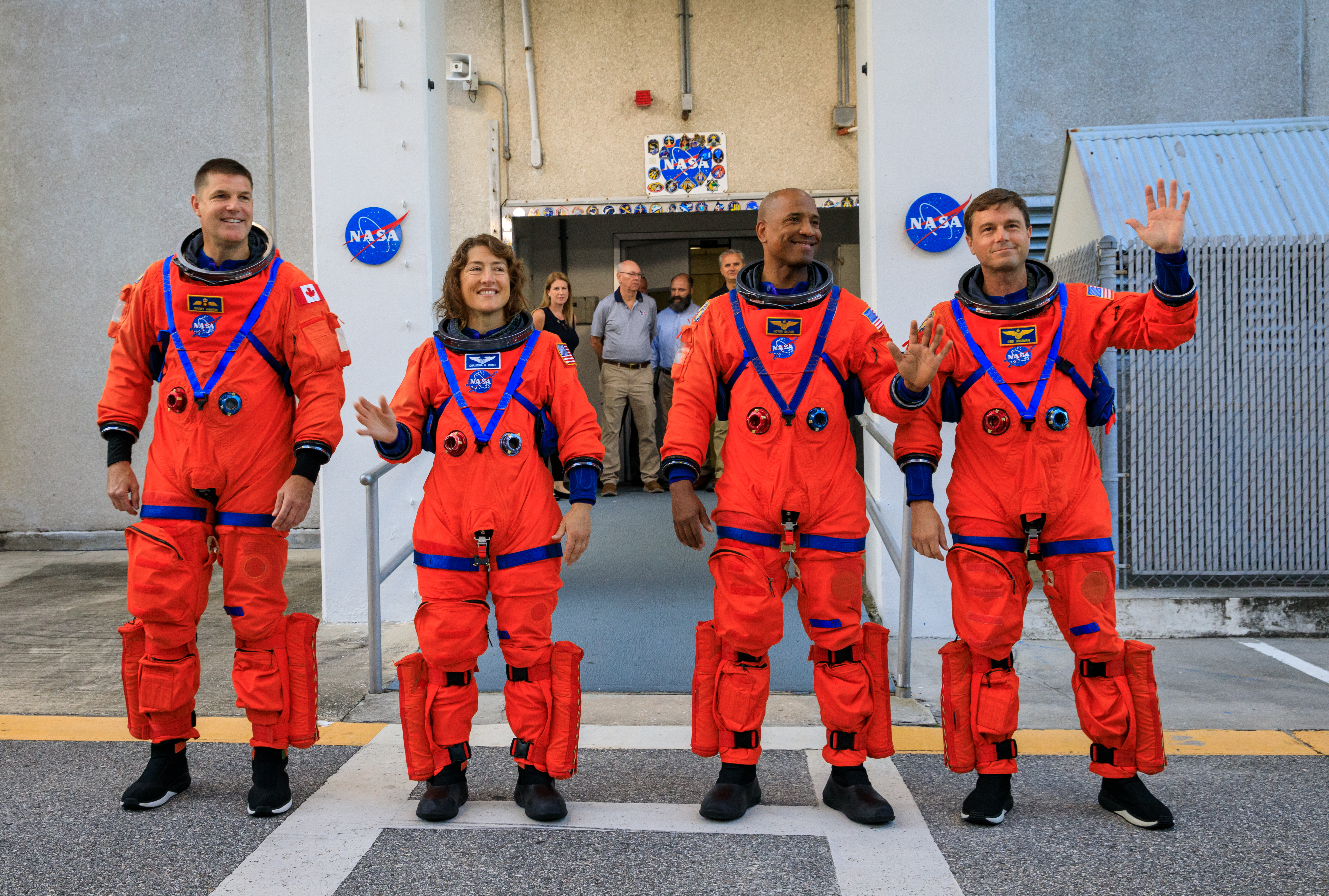
The four-person Artemis II crew represents both continuity with NASA's human spaceflight traditions and a set of historic firsts. Commander Reid Wiseman, a US Navy test pilot and ISS veteran, will lead the mission. Pilot Victor Glover, who made history as the first Black astronaut to serve on a long-duration ISS mission, will fly as pilot. Mission Specialist Christina Koch, who holds the record for the longest single spaceflight by a woman, will be the first woman to fly to the Moon.
The fourth crew member is Jeremy Hansen of the Canadian Space Agency — the first Canadian and the first non-American to fly to the Moon. Canada's participation reflects the international partnership model that NASA has built for the Artemis program, which also includes the European Space Agency and the Japan Aerospace Exploration Agency.

What Artemis II Will Test
The core objective of Artemis II is to validate the Orion spacecraft's life support systems under real crewed operational conditions. The uncrewed Artemis I mission in 2022 tested the vehicle's structural integrity and heat shield performance on a lunar return trajectory. Artemis II will assess everything that requires humans to be present: environmental control, crew interfaces, manual control authority, waste management systems, and the physiological responses of actual crew members to the deep space radiation environment beyond the Van Allen belts.
The mission profile takes Orion on a free-return trajectory — a figure-eight path that loops around the Moon and uses lunar gravity to send the spacecraft back toward Earth without requiring a lunar orbit insertion burn. This trajectory minimizes propellant requirements while maximizing distance from Earth achieved, and provides an automatic return path if propulsion systems encounter problems at any point during the outbound journey.
Mission controllers at Johnson Space Center in Houston will have the ability to monitor crew health indicators in real time, communicate with only modest one-and-a-half-second light-speed delays at lunar distances, and execute abort procedures if any system performance falls outside acceptable parameters. The extensive ground support network has been rehearsed through multiple simulations since the Artemis I mission.
A Program Under Political and Budget Pressure
The Artemis program has faced sustained scrutiny over its costs and pace. Development of the Space Launch System rocket, which carries Orion into space, has consumed over $23 billion across its development history. The Human Landing System — the lunar lander that will eventually carry astronauts to the surface — is being developed by SpaceX using its Starship vehicle under a contract that has faced technical and regulatory delays.
Congressional appropriators have repeatedly questioned whether the program's cost structure is sustainable, particularly as commercial space capabilities from SpaceX and other providers continue to advance. NASA has responded by emphasizing Artemis II as proof of concept — a demonstration that the investment has produced a functional, flight-proven crewed deep space system — and by accelerating the schedule for subsequent missions.
Artemis III, the planned first lunar landing mission, is currently targeted for no earlier than 2027, contingent on Starship completing its own qualification milestones. The political and budgetary environment will likely determine whether that target holds or slips further.

Following the Mission
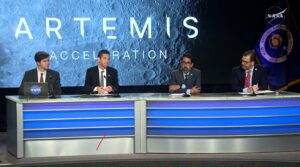
NASA has organized extensive public coverage of Artemis II. Prelaunch events begin March 27 with expert interviews and technical briefings from Kennedy Space Center. Launch day coverage begins at 7:45 a.m. EDT with propellant loading operations, transitioning to live launch coverage as the window approaches. Daily mission status briefings will be conducted from Johnson Space Center beginning April 2.
All coverage will stream on NASA's YouTube channel and through the agency's website. A virtual guest program allows members of the public to register for digital launch badges and access exclusive content. For a generation that has grown up hearing about plans to return to the Moon, April 1, 2026, may finally be the day those plans begin to become reality.
This article is based on reporting by NASA. Read the original article.
Originally published on nasa.gov