The politics of disclosure are already here
Space.com’s latest discussion on “disclosure day” does not report contact with extraterrestrial life. Instead, it explores a question that has moved from science fiction into a more explicitly political and cultural space: if meaningful evidence or contact ever did emerge, how would governments, institutions, and the public handle it?
The timing is not accidental. The report points to a recent directive from U.S. President Donald Trump to begin the process of identifying and releasing government files related to alien and extraterrestrial life, unidentified aerial phenomena, unidentified flying objects, and connected matters. Even without new evidence, that kind of order changes the atmosphere. It reframes disclosure from a fringe demand into an issue of records, trust, and public expectation.
The appetite for answers may be impossible to satisfy
One of the clearest ideas in Space.com’s piece is that public demand for disclosure may be effectively endless. That is a useful lens. Once an issue becomes tied to secrecy, every release can generate a new question: what was omitted, what remains classified, who controlled the framing, and why was the information handled that way in the first place?
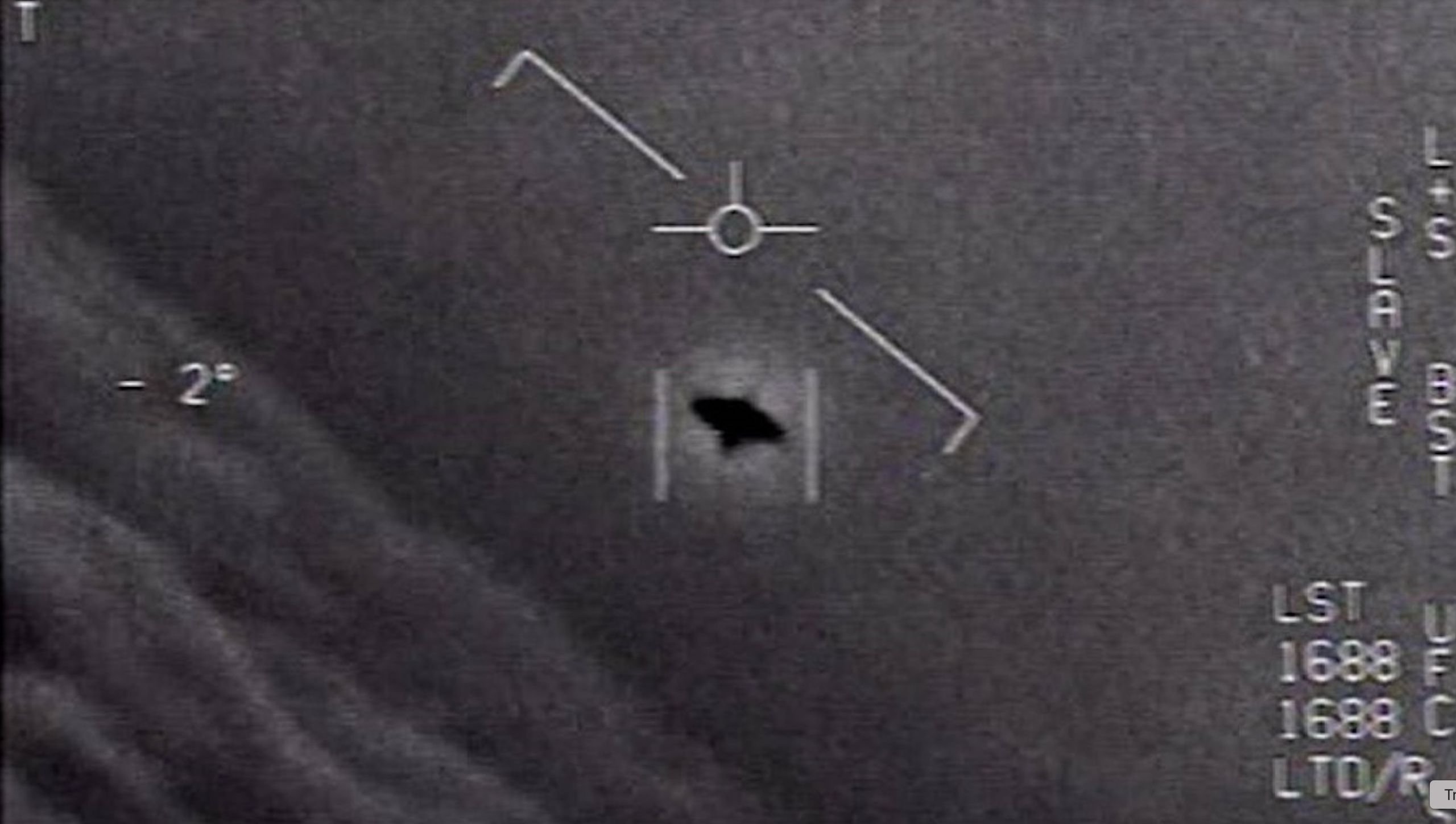
That dynamic matters because disclosure is rarely a single event. It is a process. If new files are released, they will not land in a neutral environment. They will enter a media system trained to amplify uncertainty and a public sphere already shaped by decades of speculation around UFOs, UAPs, and official concealment.
In that sense, the problem is not only whether institutions know something extraordinary. It is whether any institution still commands enough trust to convince the public that it has said everything relevant.

Contact would trigger more than scientific analysis
The common image of first contact focuses on telescopes, signals, labs, and experts. But the scenario Space.com raises is broader. A real disclosure event would also be a crisis of interpretation. Governments would have to decide what to release and when. Scientists would need to explain uncertainty without appearing evasive. Religious, political, and cultural communities would absorb the news through their own frameworks.
That means the first-order question would not simply be “Is it real?” It would quickly become “Who gets to define what this means?”
The article also notes the cultural timing created by Steven Spielberg’s upcoming film “Disclosure Day,” due in June. That coincidence underlines how blurred the boundary has become between serious inquiry, official policy, and entertainment. Public expectations are not formed only by evidence. They are formed by stories, symbols, and decades of fictional rehearsal.
Why any real disclosure would be difficult to manage
- Governments would face pressure to release information immediately and completely.
- Experts would need to explain unknowns without deepening suspicion.
- Public reaction would likely vary sharply across political and cultural groups.
- Entertainment narratives have already shaped what many people expect disclosure to look like.
The real test is institutional credibility
Speculation about extraterrestrial disclosure tends to focus on whether humanity is psychologically ready for the truth. The more grounded issue may be institutional readiness. Are governments prepared to communicate clearly under maximum scrutiny? Are media outlets prepared to distinguish evidence from amplification? Are scientific bodies prepared to speak with authority while preserving nuance?
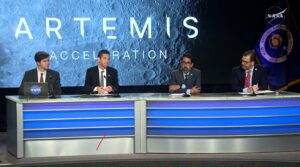
Space.com’s reporting does not pretend to answer those questions definitively, but it does put them in the foreground. That is useful. Even absent confirmed contact, the machinery of disclosure is already being discussed in formal political language. File releases, transparency demands, and expert commentary are creating a rehearsal space for how such an event might unfold.
If disclosure day ever arrives, the shock may not come only from what is revealed. It may come from watching institutions struggle to establish credibility in real time. In an era of fragmented trust, the public management of extraordinary knowledge could be nearly as consequential as the knowledge itself.
This article is based on reporting by Space.com. Read the original article.

Originally published on space.com