A routine launch remnant is heading for an unusual end
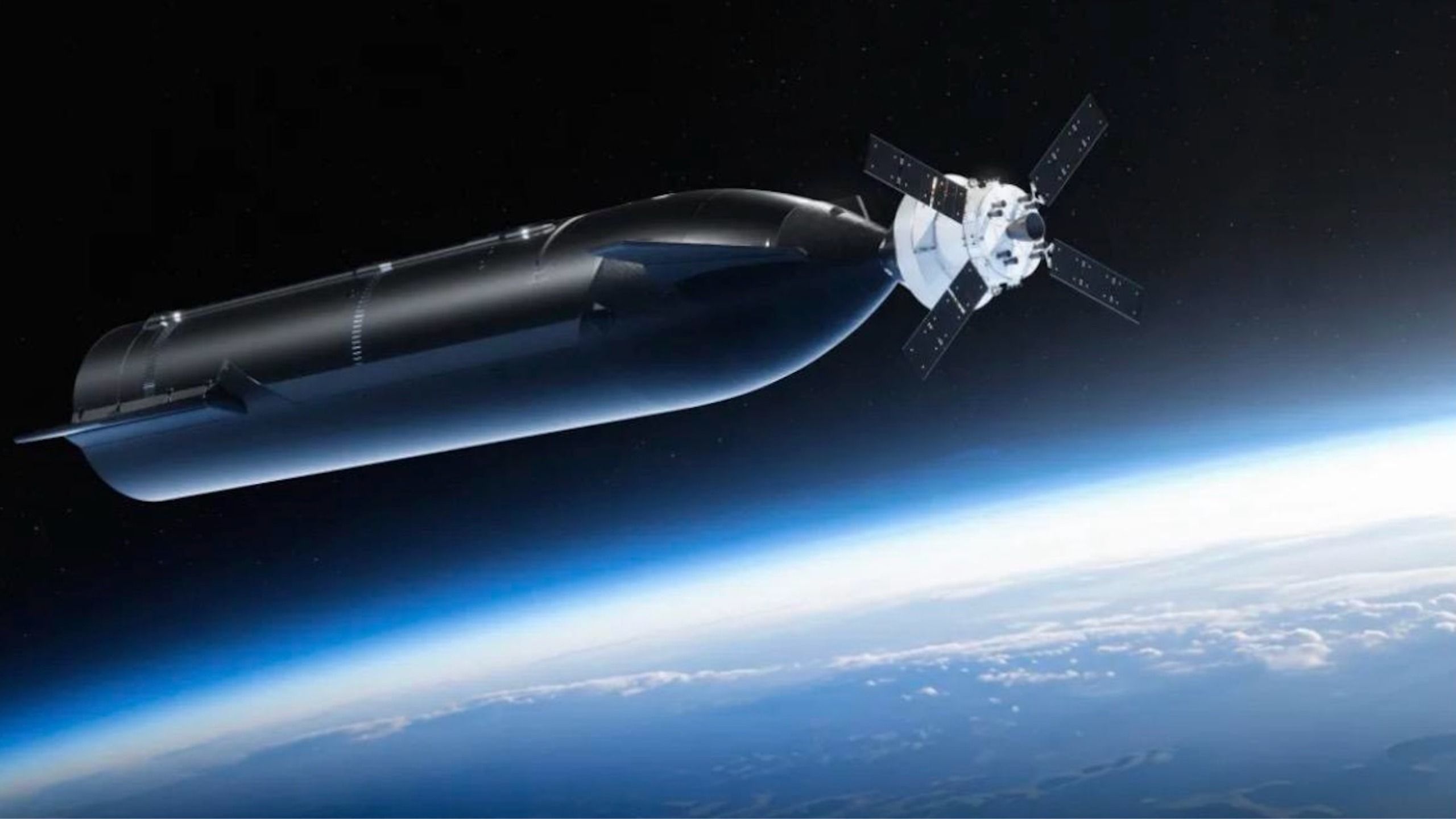
A spent Falcon 9 upper stage that launched two commercial lunar landers in January 2025 is now projected to impact the moon on August 5, according to orbital tracking by independent astronomer Bill Gray. After more than a year in a highly elliptical orbit around Earth, the rocket body appears set to collide with the lunar surface near Einstein crater on the moon’s western limb.
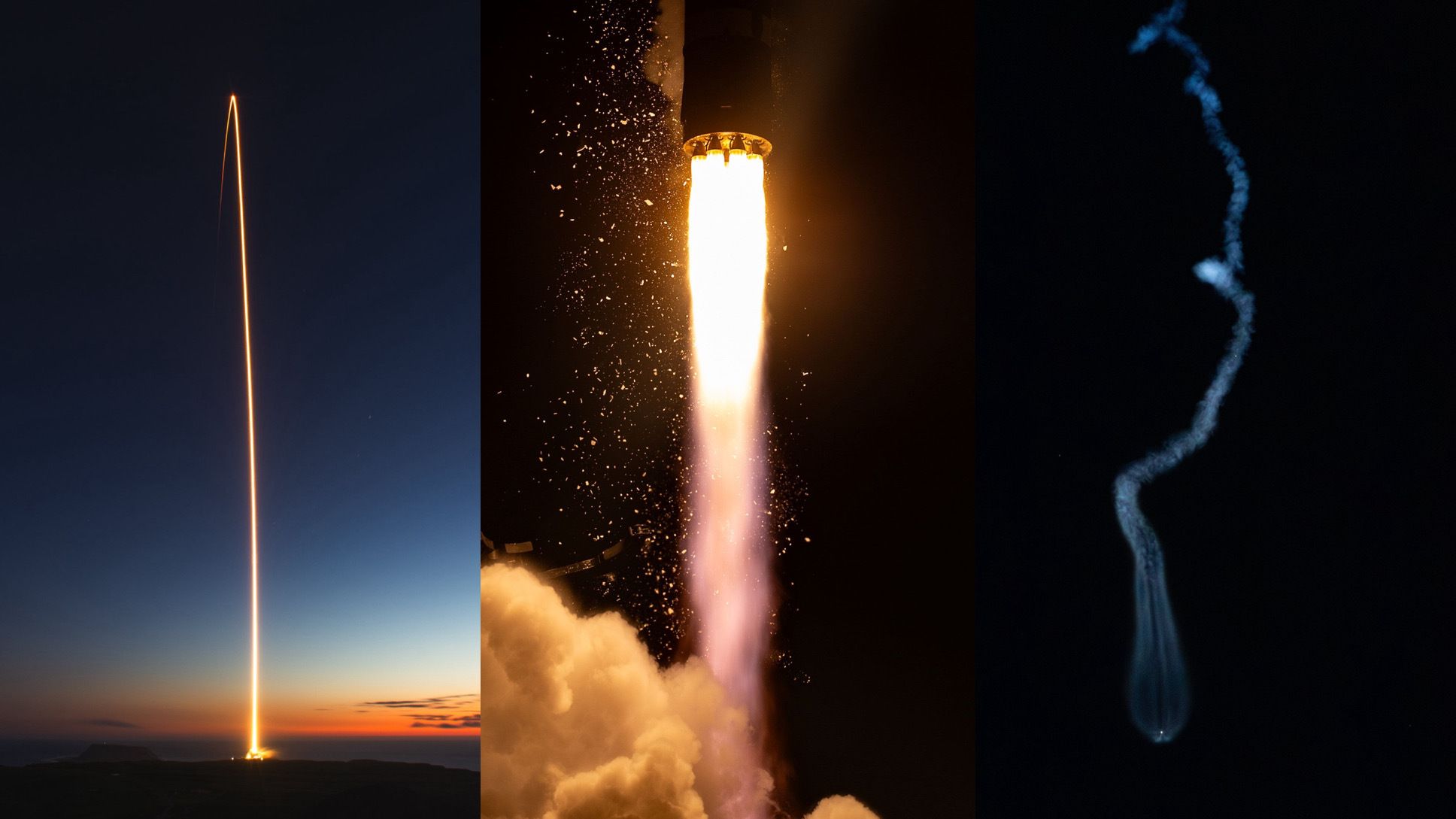
The stage, identified as 2025-010D, originally flew as part of the mission that sent Firefly Aerospace’s Blue Ghost Mission 1 and ispace’s Hakuto-R Resilience landers toward the moon. Blue Ghost later achieved a successful landing. The upper stage, however, did not depart the Earth-moon system. Instead, it remained in a long looping orbit that periodically took it beyond the moon.
How astronomers tracked the object
Gray said the projected impact time is 2:44 a.m. Eastern on August 5, or 0644 UTC, based on calculations using observations from asteroid surveys and telescopes. He noted that the object had several close passes by both Earth and the moon without previously appearing likely to collide. As of February 26, 2026, observers had accumulated 1,053 observations of the stage.
That level of tracking matters because the object is far from Earth, where radar becomes less effective. Gray noted that the U.S. Space Force maintains an orbital catalog and is highly capable at monitoring objects in low Earth orbit, but telescopes are generally better suited for tracking hardware at greater distances. In this case, astronomers relied on repeated optical observations to refine the stage’s path.
Swiss space situational awareness company s2A systems also tracked the object and produced imagery showing the stage moving across a star field. Periodic flashes in the imagery indicated that the stage is tumbling, a normal fate for inactive upper-stage hardware left in space.

What the impact is expected to look like
The upper stage is roughly 13.8 meters long and has a mass of about 4,000 kilograms. Gray’s projection puts its impact speed at around 2.43 kilometers per second, or roughly 8,700 kilometers per hour. That is fast enough to create a new impact mark on the lunar surface, although the event is not expected to pose any hazard.
The moon is constantly struck by natural objects, from micrometeoroids to larger space rocks, so one more impact will not change the broader picture of lunar geology. What makes this event notable is that the object is human-made and its trajectory is being followed well in advance. That gives astronomers and lunar observers time to refine the impact estimate over the coming months and prepare to study the event.
A reminder of the growing traffic beyond Earth orbit
The case also highlights a larger issue in space operations: hardware launched beyond low Earth orbit can remain dynamically active for long periods, and predicting its eventual fate is not always simple. Missions headed toward the moon or beyond often leave behind upper stages that are no longer controllable but still move through the Earth-moon environment for months or years.
Because the moon has no atmosphere, objects do not burn up before impact the way they often do at Earth. Instead, they strike the surface directly. That makes lunar impacts a useful marker for researchers interested in crater formation, but it also underscores how exploration activity is increasingly leaving behind physical traces.
In this case, the impact appears to be the result of orbital evolution rather than a deliberate disposal maneuver. The current estimate could still shift as additional observations come in, but the basic picture is now clear: a launch vehicle stage that once helped send two private lunar missions on their way is itself likely to finish its journey by slamming into the moon.

Why the story matters now
Commercial lunar activity is accelerating, and so is the amount of mission hardware passing through cislunar space. Even when such objects pose no risk to people or active spacecraft, they become part of a more crowded and more closely watched environment. The projected August 5 impact is a small event in practical terms, but it is also a sign of how routine deep-space traffic is becoming.
For the space sector, that means tracking and transparency are becoming more important alongside launch cadence and landing success. The same observational networks that monitor asteroids and space debris are increasingly being used to follow mission leftovers far from Earth. As lunar missions multiply, events like this may become less surprising, even if they remain scientifically and operationally interesting.
This article is based on reporting by SpaceNews. Read the original article.
Originally published on spacenews.com