NASA’s first crewed Artemis mission is now in flight
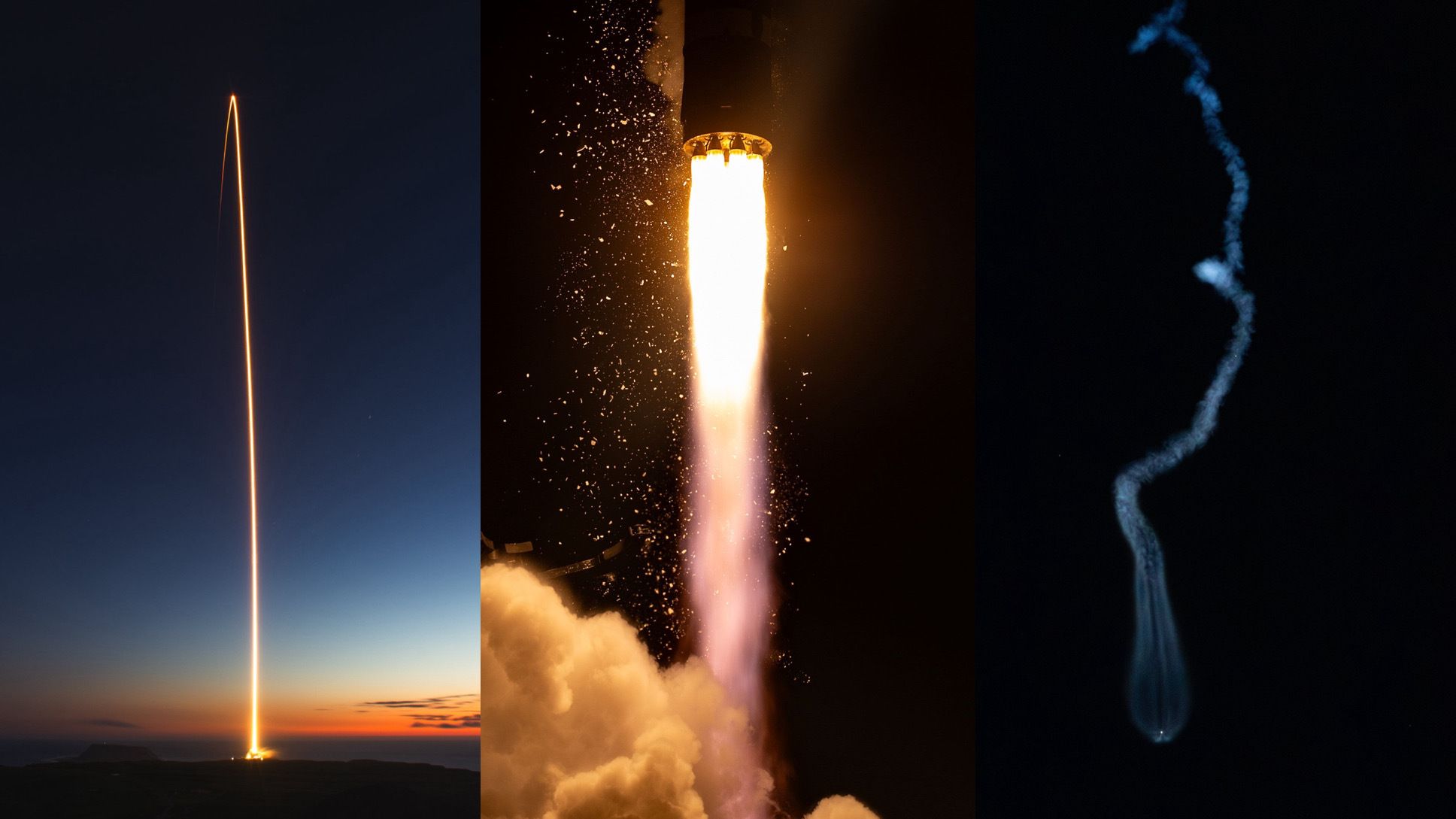
Artemis II has moved from long-range program milestone to active mission. NASA says the first crewed test flight under the Artemis program is underway, carrying four astronauts aboard Orion on an approximately 10-day journey around the Moon and back. The agency launched the mission at 6:35 p.m. EDT on April 1, 2026, from Launch Complex 39B at Kennedy Space Center in Florida.
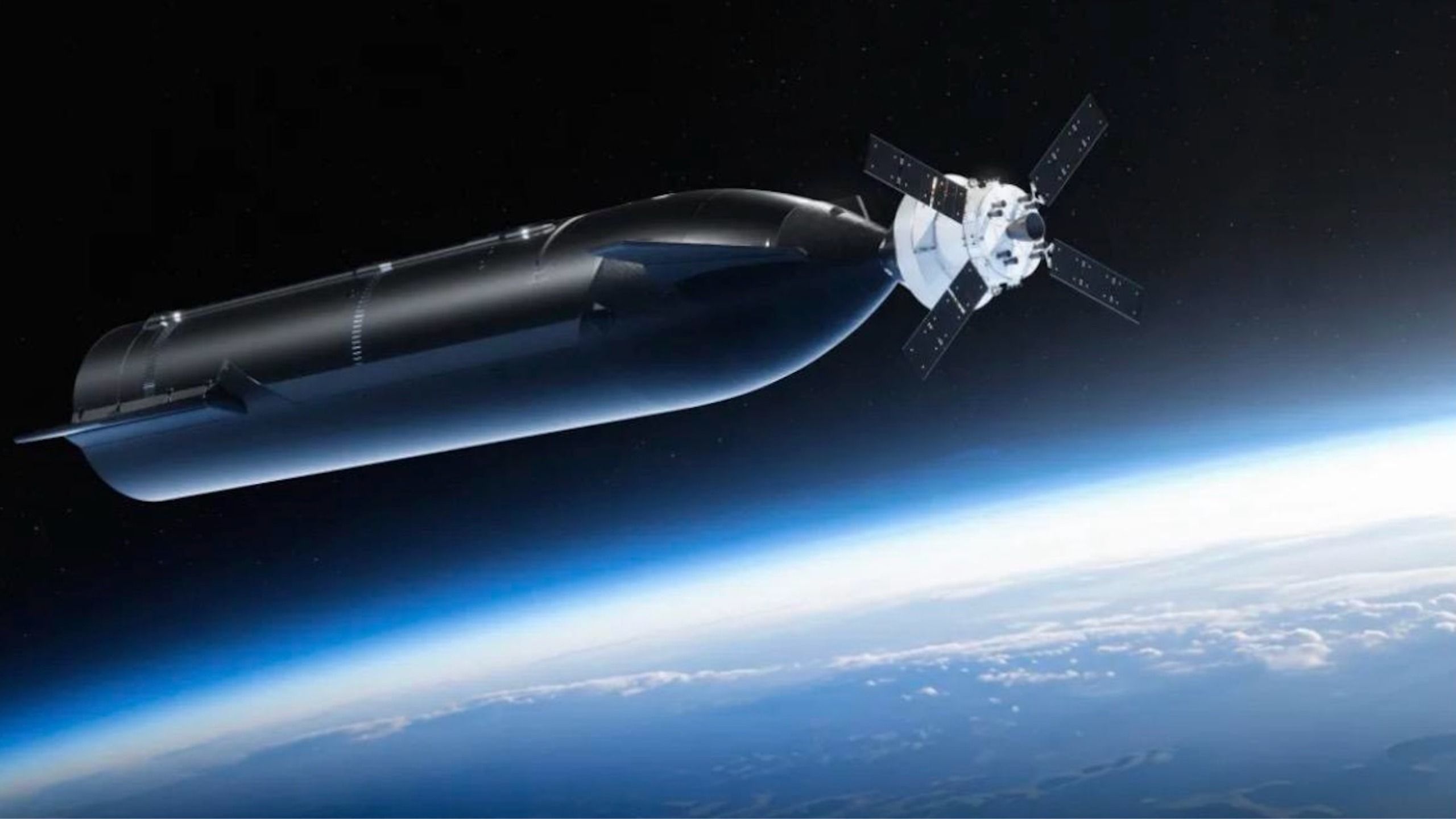
The crew includes NASA astronauts Reid Wiseman, Victor Glover, and Christina Koch, along with Canadian Space Agency astronaut Jeremy Hansen. Their assignment is straightforward in concept and demanding in practice: fly Orion through deep space, loop around the Moon, and return safely to Earth while testing how the spacecraft and its systems perform beyond low Earth orbit.
That is what makes Artemis II more than a symbolic repeat of Apollo-era lunar travel. It is a crewed systems test. Every phase, from launch through lunar flyby and splashdown, is part of validating the hardware, operations, and human procedures NASA intends to build on in later Artemis missions.
A mission measured in distance and timing
NASA says Artemis II is expected to travel a total of 695,081 miles from launch to splashdown. At closest approach, Orion is set to pass within 4,066 miles of the lunar surface. The mission will also reach a maximum distance of 252,757 miles from Earth, which NASA notes is about 4,102 miles farther than Apollo 13 traveled.
Those numbers are not just public-facing trivia. They frame the operational environment Orion is being tested in. Deep space missions expose crews and spacecraft to different communications constraints, radiation conditions, and navigation realities than orbital missions near Earth. Artemis II is intended to show how the vehicle behaves in that environment with humans aboard.
NASA’s current planning calls for splashdown off the coast of San Diego at approximately 8:07 p.m. EDT on Friday, April 10, 2026, though the agency notes that the exact location and time can continue to shift as mission milestones are reached. Following splashdown, recovery teams are expected to retrieve the crew with helicopters and take them to the USS John P. Murtha.

Why the mission matters
Artemis II is the first chance in the Artemis era to observe the full interaction between spacecraft systems and a live crew in deep space. Uncrewed test flights can establish a great deal, but human spaceflight changes the standard. Cabin systems, communications, crew workload, mission timelines, and contingency procedures all have to work not just on paper or in simulations, but under real mission conditions.
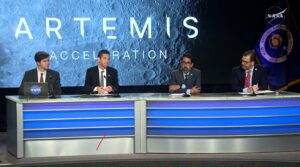
NASA is also treating the mission as a public event in a way that reflects the scale of the program. The agency says real-time coverage will continue throughout the mission on YouTube, with a separate live stream of views from Orion and the inside of the capsule available as bandwidth allows. Daily mission status briefings are being held live from Johnson Space Center in Houston through splashdown, except on Monday, April 6, during lunar flyby activities.
That level of visibility serves a practical purpose as well as a public one. Artemis is a long-horizon program that depends on political, financial, and operational credibility. A crewed test mission that is visible, transparent, and well documented gives NASA a chance to show both the normal rhythm of deep-space operations and the discipline required to manage them.
The crewed test phase of a larger lunar strategy
The supplied NASA overview is framed as a frequently asked questions document, but the details make clear what Artemis II represents inside the larger program. It is not the end state. It is the proving run that sits between uncrewed development and more ambitious crewed lunar operations.
NASA is providing multiple ways to follow the mission, including a mission imagery portal, a regularly updated activity list, and an Artemis blog with scheduling for live crew conversations. The agency has also published a mission tracker for Orion in space. That kind of sustained operational communication is typical of a flight NASA wants the public and stakeholder communities to experience in near real time.
Even the FAQ structure reflects a programmatic reality: this mission is both highly technical and broadly symbolic. People want to know basic questions such as how long the mission lasts, how close the spacecraft will get to the Moon, and when the crew will return. NASA’s answers show that Artemis II is designed to be legible to the public while still serving as a serious test under deep-space conditions.

What to watch as Artemis II continues
The biggest milestone ahead is the lunar flyby. NASA has already noted that Monday, April 6, will not include the usual daily mission briefing because of those activities. That signals how central the flyby phase is to the mission’s operational rhythm. It is the point at which Orion’s navigation, communications, and crew procedures come under some of their most consequential test conditions.
After that, the focus shifts to return and recovery. A successful splashdown and crew retrieval will complete the mission’s central promise: demonstrating that Orion can take astronauts around the Moon and bring them home safely.
For now, Artemis II marks a notable change in the state of the program. Artemis is no longer only a sequence of future objectives. With four astronauts en route around the Moon, it is once again a live crewed lunar mission. That alone is significant. The larger importance lies in whether Orion performs as NASA needs it to perform, because the answer will shape the confidence behind everything Artemis is meant to do next.
This article is based on reporting by NASA. Read the original article.
Originally published on nasa.gov