The headline milestone is only the beginning
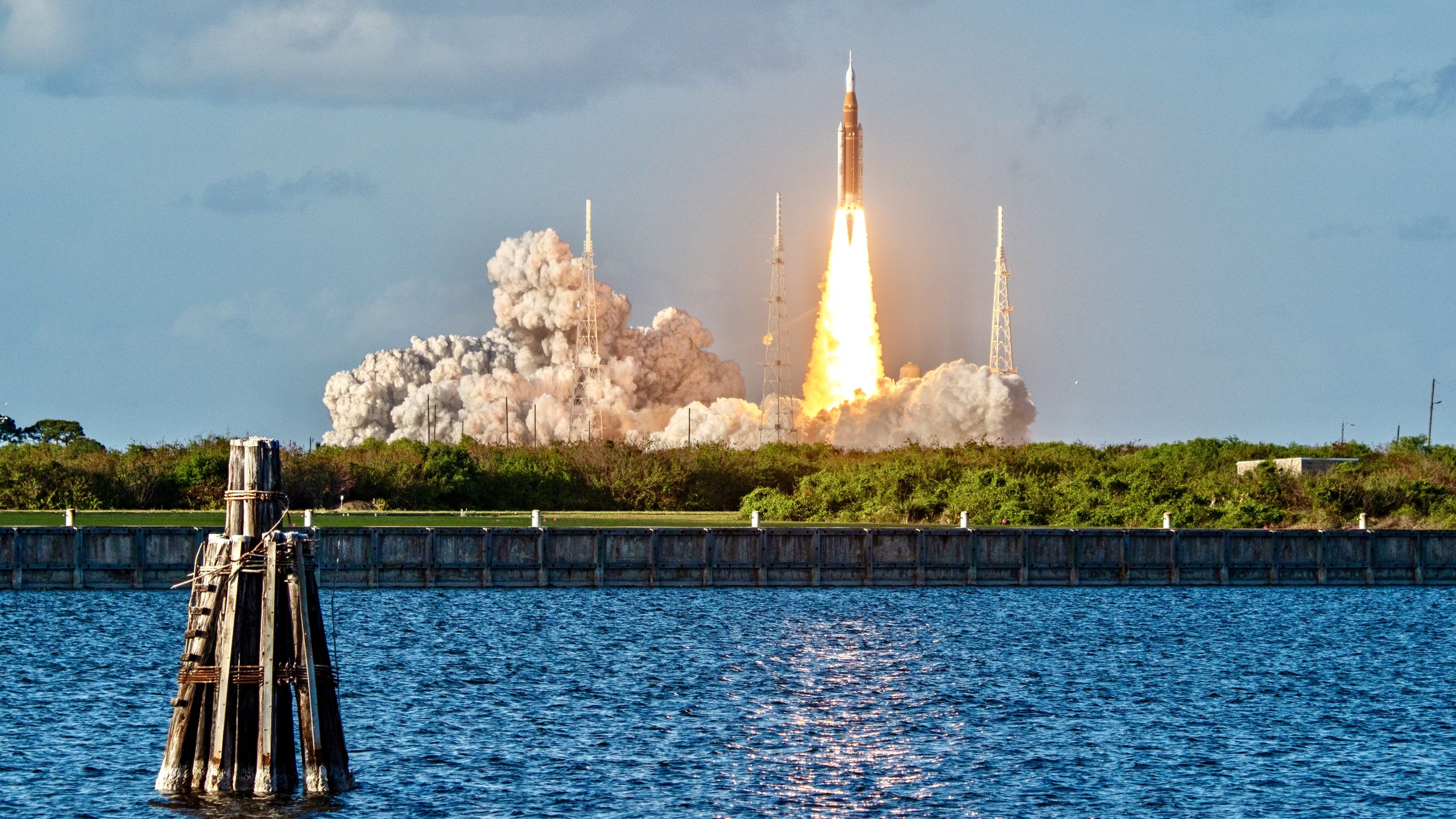
Artemis 2 will be remembered first for its symbolism. NASA launched astronauts toward the moon again, ending a gap of more than half a century between crewed lunar missions. But reducing the flight to a nostalgia milestone misses what the mission is actually designed to do. Artemis 2 is not a reenactment. It is a high-stakes systems test for the architecture NASA intends to use as it pushes beyond short visits and toward a sustained human return to deep space.
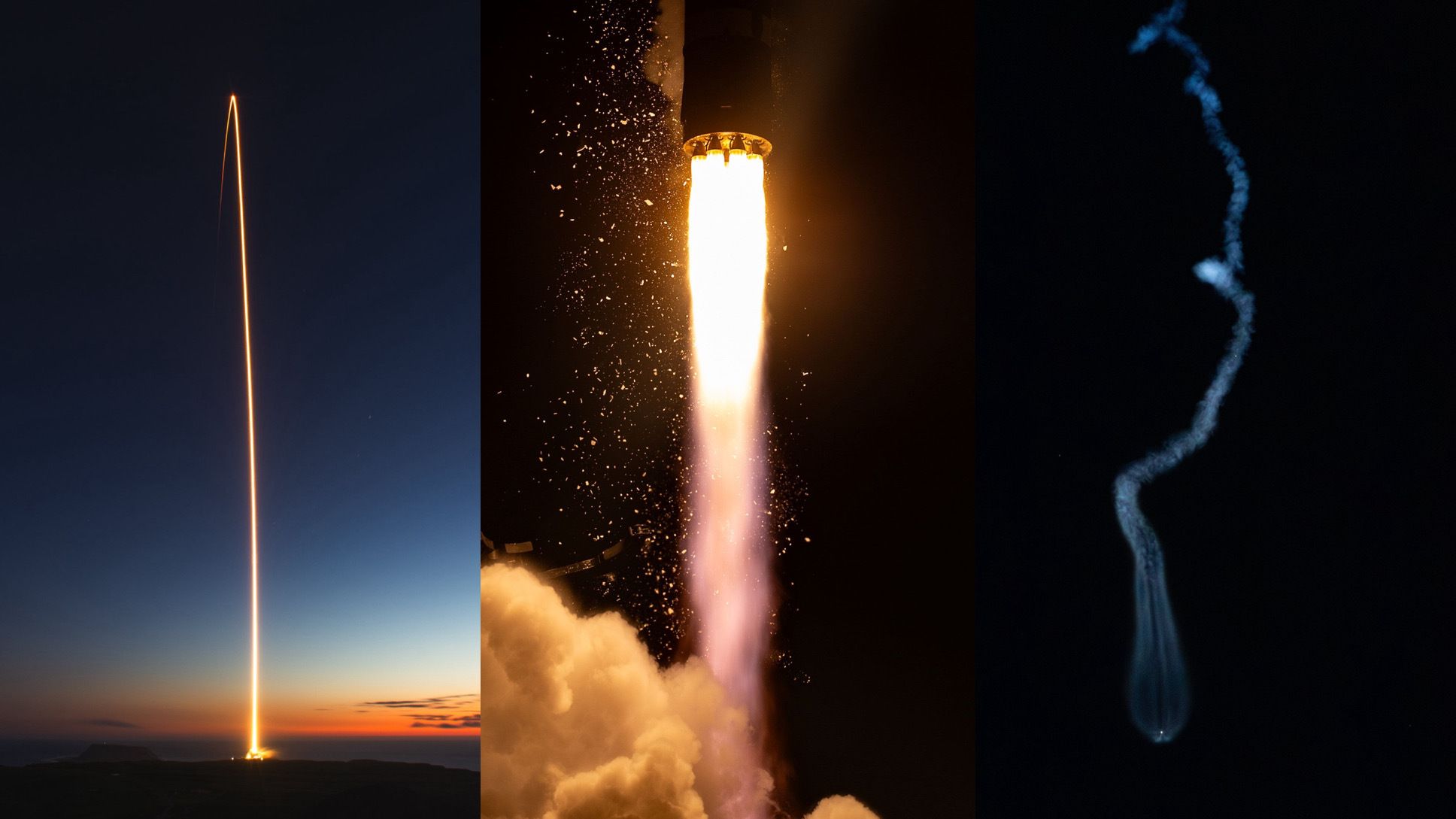
According to Space.com, the mission launched on April 1, 2026, and sent its crew on a 10-day free-return trajectory around the moon and back to Earth. That path matters because it allows NASA to stress the Orion spacecraft in deep space while preserving a return route that does not depend on a complex sequence of additional maneuvers. It is both ambitious and disciplined, the kind of profile used when the goal is to learn as much as possible without multiplying avoidable risk.
Orion is the real focus
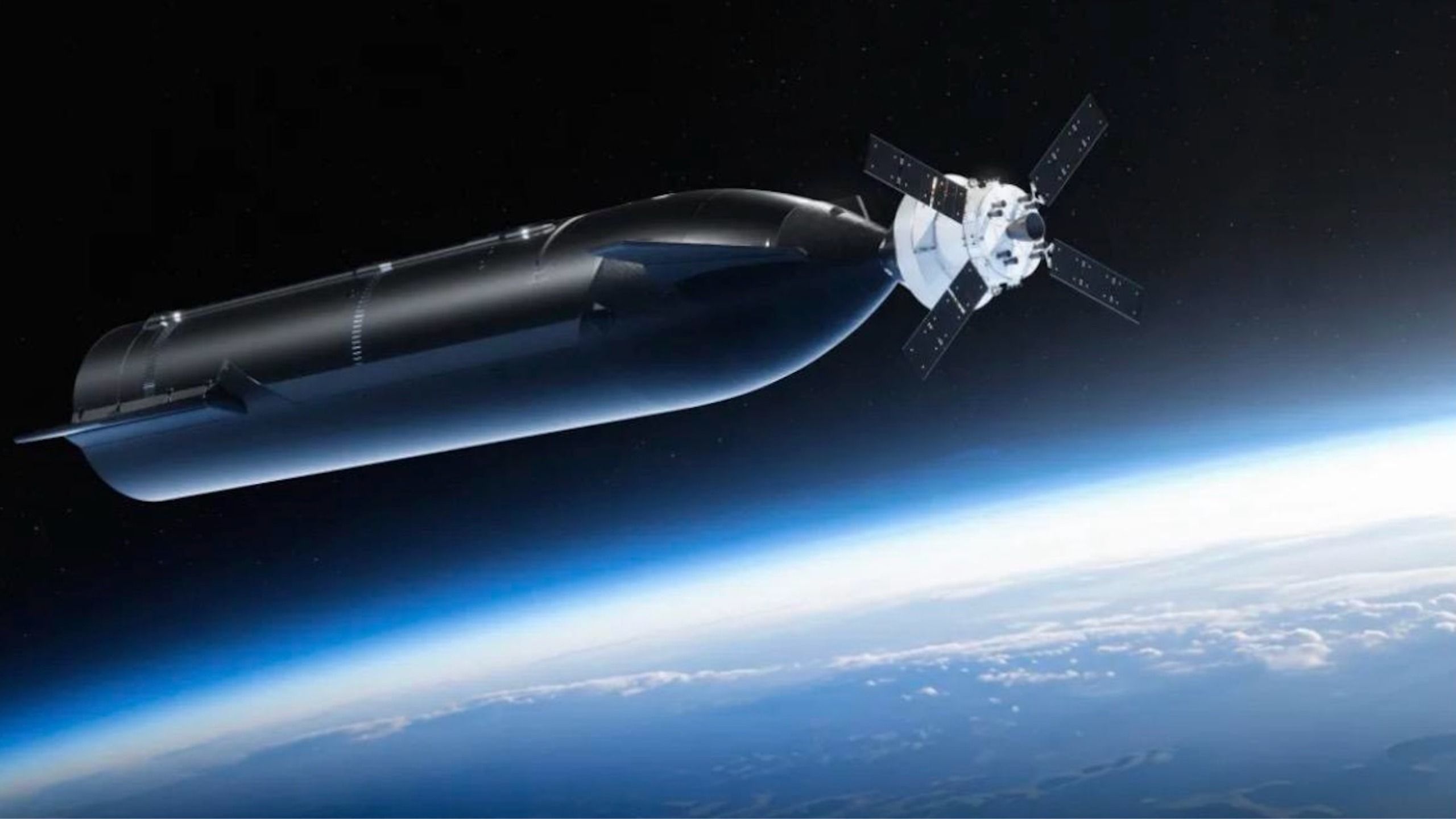
The spacecraft at the center of the mission is Orion, and Artemis 2 is fundamentally a shakeout cruise for it. NASA is using the flight to test life-support systems in the environment they are actually meant to survive, not just in ground simulations or uncrewed mission profiles. It is also demonstrating the capsule’s ability to maneuver during rendezvous activity and simulated docking operations.
Those may sound like technical side notes next to the more dramatic image of astronauts looping around the moon. In operational terms, however, they are the mission. Any long-term lunar campaign depends on reliable crew systems, dependable navigation and control, and a vehicle that can function as more than a one-time transport shell. Deep-space missions become programs only when vehicles can repeatedly support complex operations with humans aboard.
That is why Artemis 2 carries unusual weight. Artemis 1 proved Orion could fly uncrewed. Artemis 2 is about proving Orion can support people. The shift from hardware validation to human-rated performance is one of the hardest transitions in any space program.

A mission built out of firsts
Space.com frames Artemis 2 as a flight packed with firsts and records, and that description fits. The most obvious first is the return of astronauts to lunar distance for the first time in decades. But the mission is also the first crewed test of Orion in this kind of deep-space profile, the first chance to observe its life-support and handling characteristics under real mission conditions, and the first live demonstration of how NASA’s post-Apollo lunar strategy begins to function with a crew onboard.
That accumulation of firsts matters because Artemis is trying to do something Apollo did not ultimately do: create an enduring operational pathway rather than a sequence of isolated triumphs. NASA has already linked the broader program to plans for a sustainable, permanent moon base later in the decade. Whether that schedule holds is a separate question. What matters now is that Artemis 2 is positioned as a bridge between concept and routine execution.
The strategic meaning of a free-return lunar flight
There is a deeper reason this mission profile matters. A free-return trip is not just safe engineering. It is a statement about how NASA wants to rebuild deep-space capability: incrementally, with visible milestones that support later complexity. Instead of racing directly to a landing, the agency is validating the transport layer step by step.
That method is slower than the most dramatic versions of lunar ambition, but it is more credible. Human spaceflight programs fail when symbolism outruns infrastructure. Artemis 2 suggests NASA is trying to avoid that trap by putting the transport system under pressure before relying on it for larger lunar operations.
The mission also helps reset public expectations. The goal is no longer simply to repeat Apollo-era feats for prestige. The goal is to normalize a cislunar operating environment in which crewed flights, docking, support systems, and eventually surface missions are parts of a larger logistics chain.

What success would mean
If Artemis 2 performs as planned, its biggest contribution may be confidence. Confidence that Orion can carry astronauts beyond low Earth orbit and bring them home. Confidence that life-support performance in deep space matches engineering expectations. Confidence that the broader Artemis sequence has a technically sound foundation.
That does not mean all later milestones become easy. Lunar architecture is still expensive, politically exposed, and operationally complex. But a successful Artemis 2 would narrow the gap between aspiration and executable program design. It would show that NASA’s lunar return is no longer defined mainly by announcements and artwork. It is becoming a working flight system.
- Artemis 2 launched on April 1, 2026, on a 10-day free-return trajectory around the moon.
- The mission is testing Orion’s life-support systems and maneuvering capabilities with astronauts aboard.
- Its broader role is to validate the crewed transport layer for NASA’s longer-term lunar campaign.
This article is based on reporting by Space.com. Read the original article.
Originally published on space.com