Launch was only the first major threshold
NASA’s Artemis 2 mission has lifted off, sending four astronauts into Earth orbit aboard the Orion capsule. But the mission’s next step, scheduled for April 2, is the maneuver that will determine whether the crew begins its looping journey around the moon.
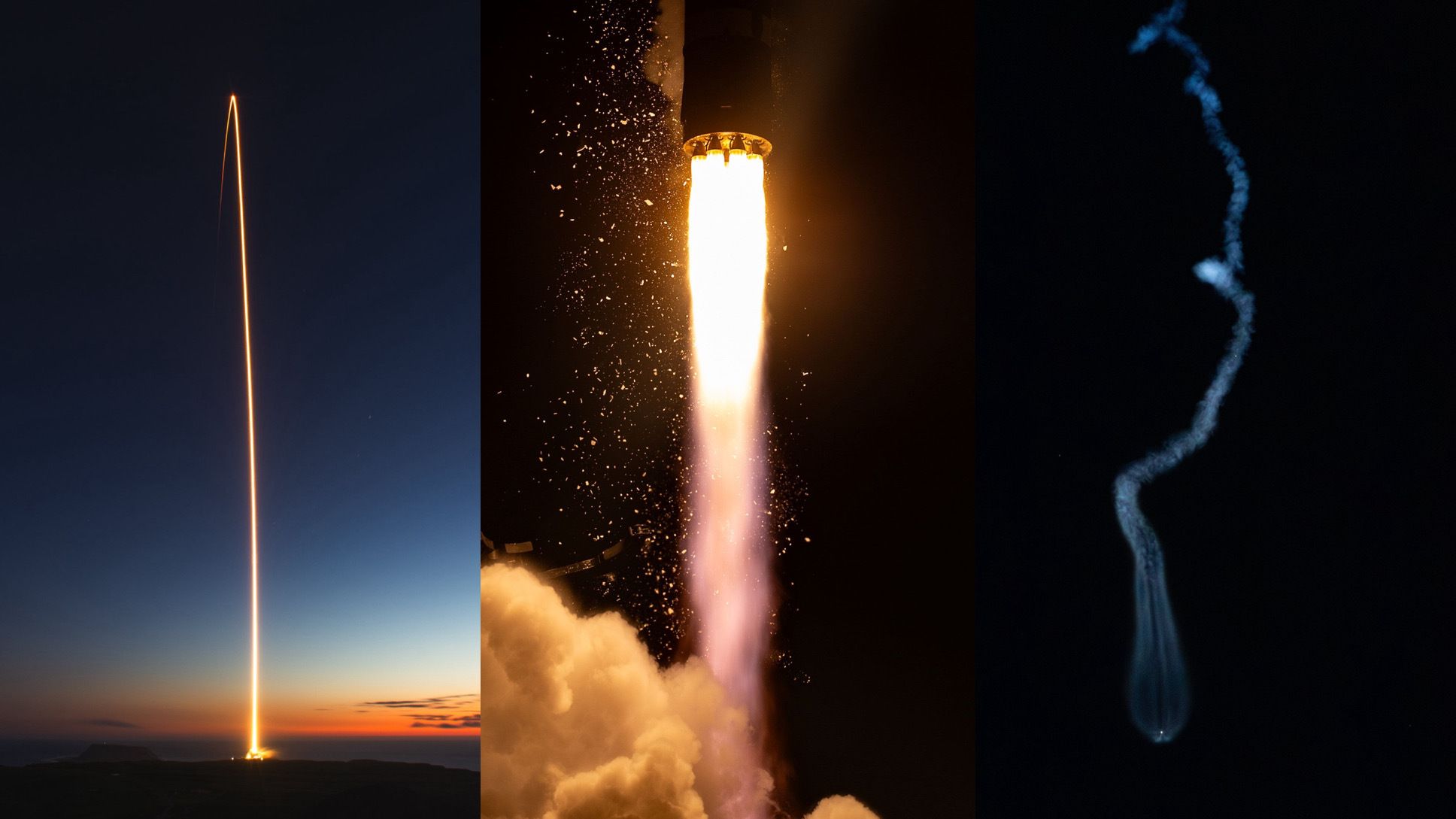
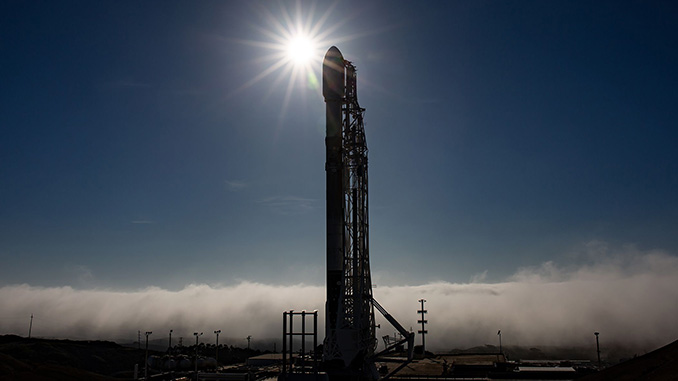
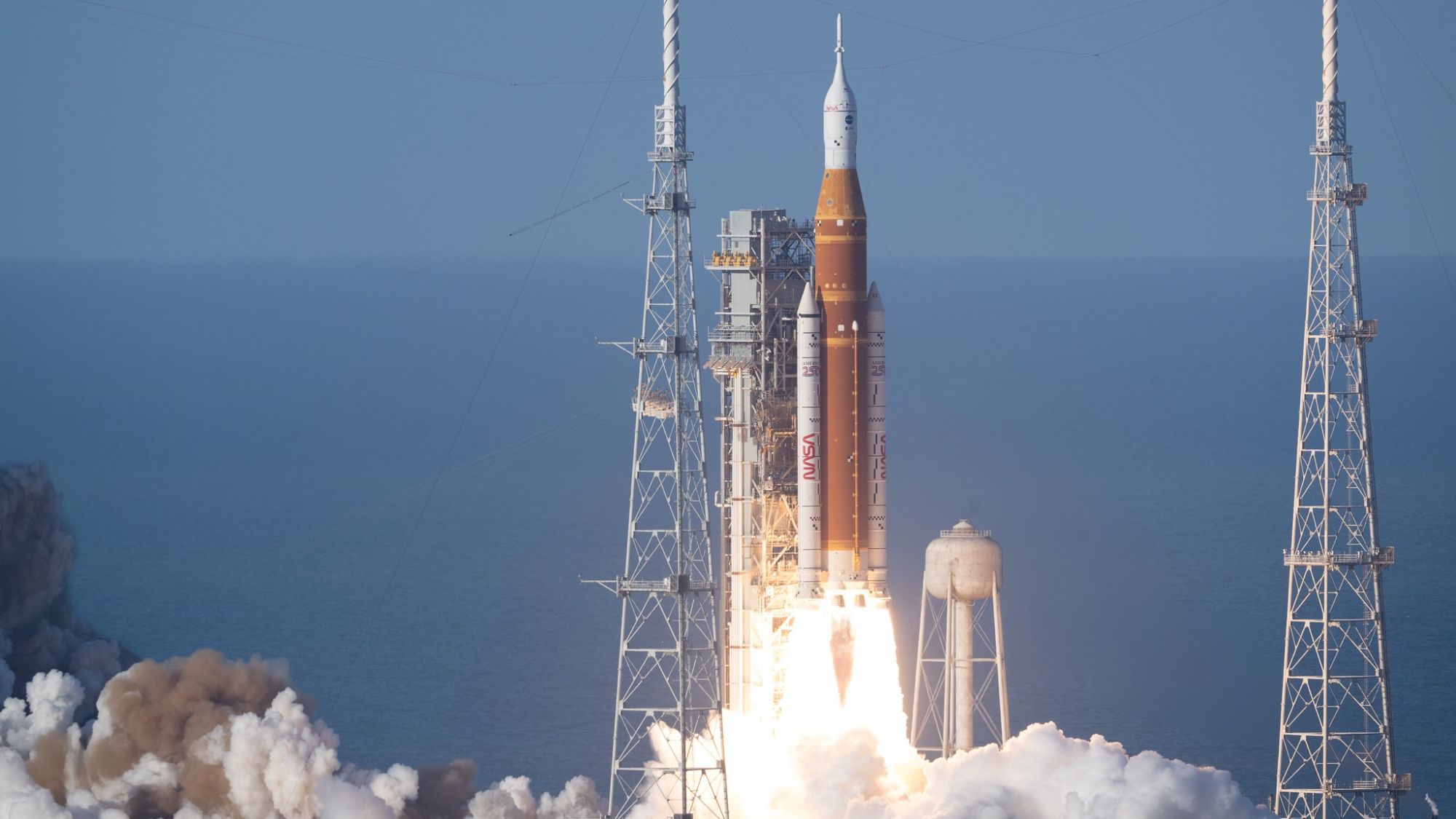
Space.com reports that Artemis 2 launched from Kennedy Space Center on April 1 at 6:35 p.m. EDT, placing the crew in orbit rather than immediately dispatching them toward the moon. The distinction matters. This mission architecture includes a pause in Earth orbit before Orion performs the engine burn that sets its lunar trajectory.
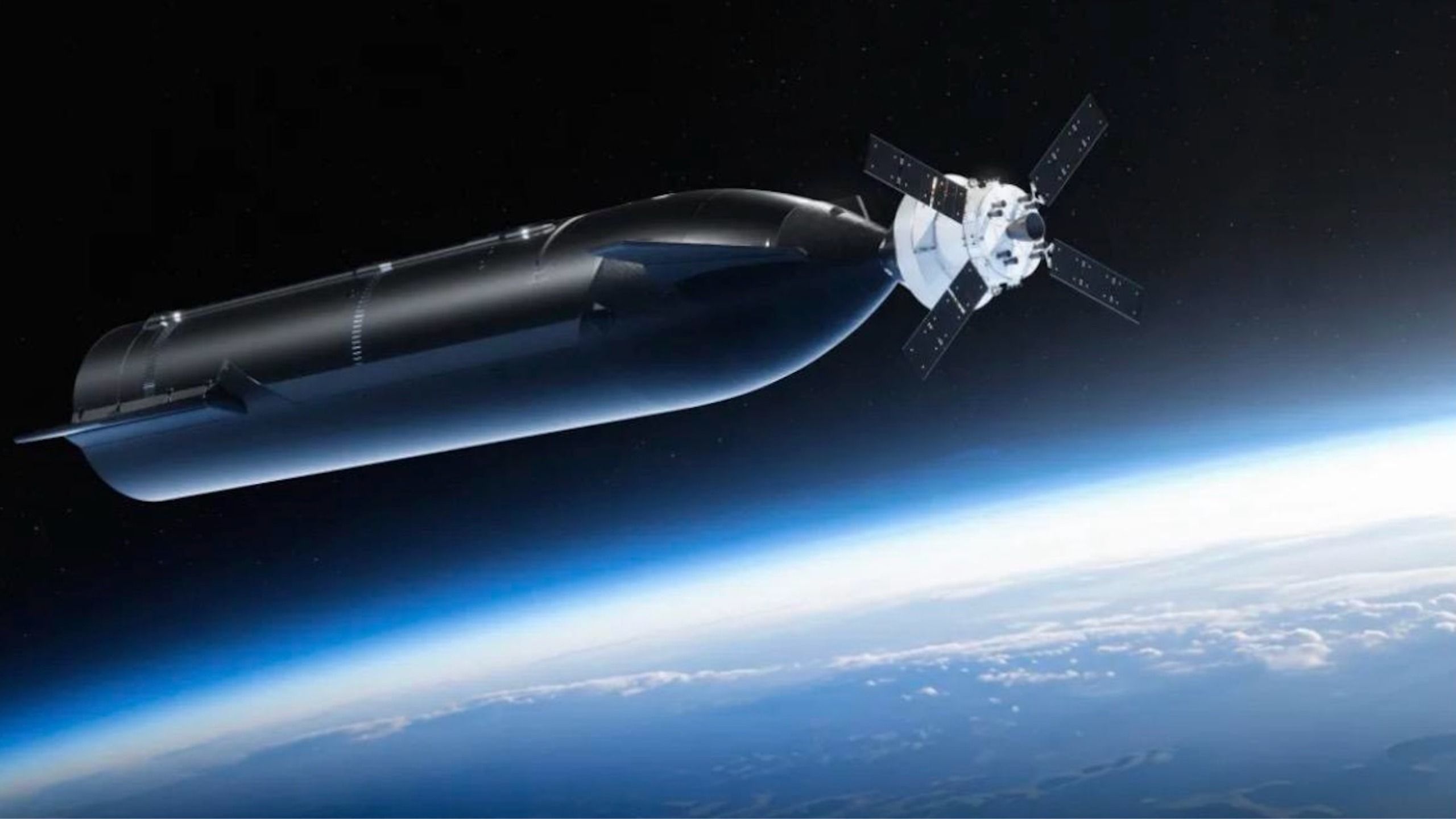
That maneuver is known as translunar injection, or TLI. It is scheduled for 25 hours and 37 minutes after launch. In operational terms, it is the key activity of the mission’s second day in space.
Why the TLI burn matters so much
Every crewed mission contains moments that matter more than others, and for Artemis 2 this is one of them. The launch demonstrated that the mission could leave the pad and place Orion in the intended early flight profile. The TLI burn is what converts that success into a true moon mission.
Without it, the crew remains in Earth orbit. With it, Orion departs for the moon. That is why Space.com framed the burn as something that could make or break the mission. It is the transition from orbital insertion to deep-space transit.
This step also carries symbolic weight. Artemis 2 is the first crewed lunar-flight mission of NASA’s Artemis program, and the broader effort is central to the agency’s post-Apollo human spaceflight strategy. A successful translunar injection would move the mission from launch event to active lunar expedition.

A crewed lunar mission in stages
The Artemis 2 profile highlights how carefully staged modern crewed spaceflight is. Rather than collapsing the mission into a single dramatic moment, the flight separates launch from the larger navigation commitment. That creates a new focal point for mission control, engineers, and observers: the engine burn that sends the spacecraft away from Earth.
Space.com notes that the crew continued circling Earth after launch and would do so until the evening of April 2, when Orion performs the scheduled maneuver. That waiting period reflects the precise sequencing required in crewed deep-space operations. Position, timing, propulsion, and system readiness all have to line up before a spacecraft commits to lunar transit.
For the astronauts aboard Orion, the period between launch and TLI is therefore not downtime. It is part of the mission’s most consequential setup.
Why Artemis 2 is a wider program milestone
The mission matters beyond its immediate flight plan because Artemis is NASA’s pathway back to sustained lunar exploration. Artemis 2 is the crewed proving flight, and its progress will shape confidence in later missions. Even in a highly visible human spaceflight program, execution still comes down to specific operational events like burns, insertions, and system checks.
That makes April 2 an unusually important date in the mission timeline. The crew has already cleared the public-facing threshold of launch, but the next threshold is the one that most clearly defines whether the mission is truly on its lunar course.
It also serves as a reminder that modern moon missions are still built around classical orbital mechanics. No matter how advanced the spacecraft, the mission depends on an engine firing at the right time for the right duration to place Orion on the correct path.

The moment that shifts the mission narrative
There is always a risk in treating launch as the whole story. Launches attract the cameras, the countdowns, and the sense of immediate drama. But for Artemis 2, the narrative shifts on day two. The mission’s direction, literally and figuratively, depends on the translunar injection burn.
If that burn proceeds as planned, Artemis 2 moves from near-Earth operations into the defining phase of its journey around the moon. If not, the mission remains short of its core objective. That is why the most consequential event after launch is not another spectacle but a precisely timed engine maneuver.
The capsule is already in space. The question for April 2 is whether it becomes unmistakably moon-bound.
- Artemis 2 launched on April 1 and placed its crew in Earth orbit aboard Orion.
- The mission’s key second-day event is the translunar injection burn on April 2.
- TLI is the maneuver that sends Orion from Earth orbit toward the moon.
- The burn is central to whether Artemis 2 becomes a full lunar-flight mission.
- The event is a major operational and symbolic milestone for NASA’s Artemis program.
This article is based on reporting by Space.com. Read the original article.
Originally published on space.com