Four astronauts, one spacecraft, and a mission built for a new lunar era
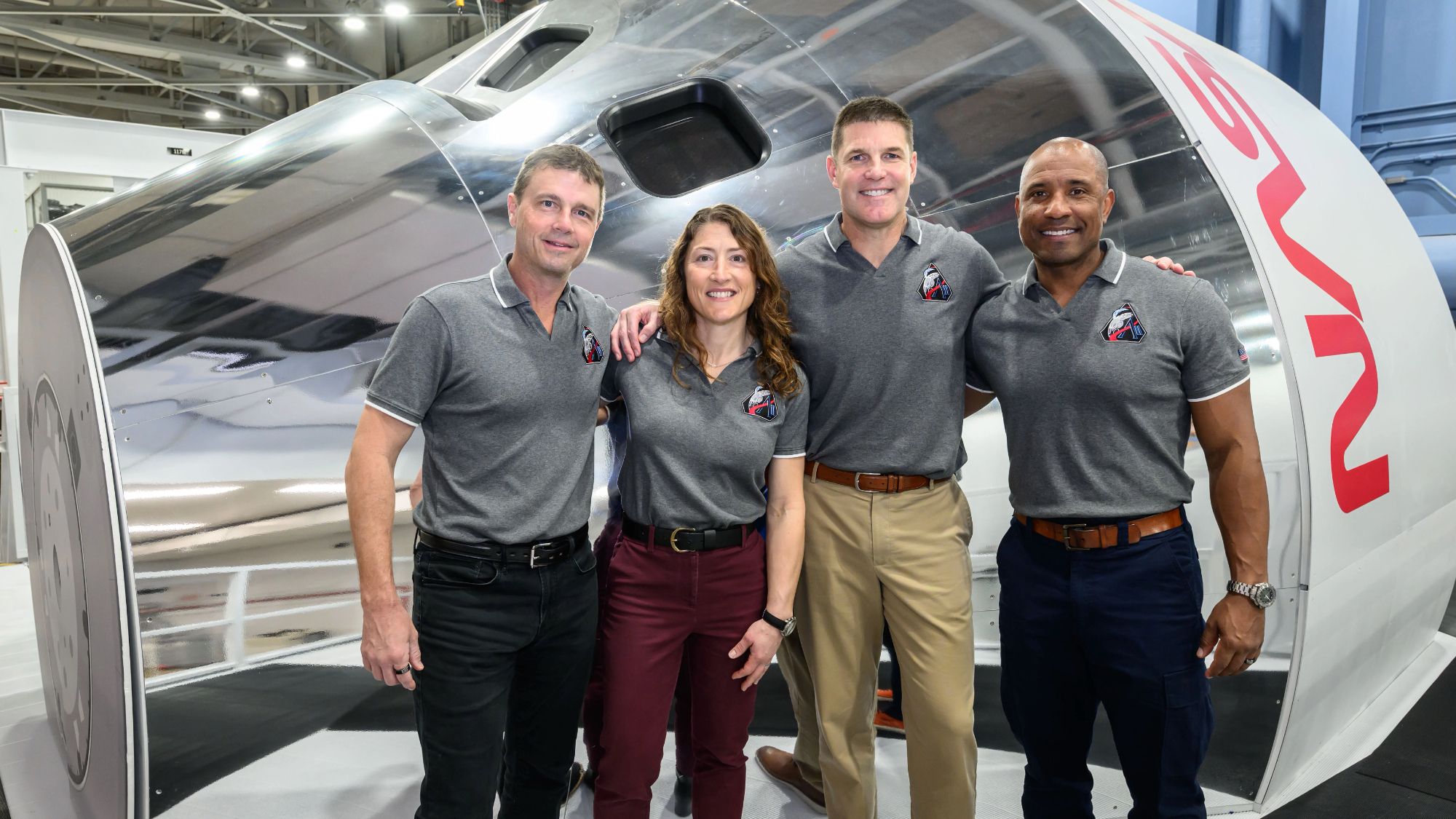
NASA’s Artemis 2 mission is moving into its most visible phase: the final stretch before launch. According to Space.com, the four-person crew could lift off as soon as April 1, with commander Reid Wiseman, pilot Victor Glover, mission specialist Christina Koch, and Canadian Space Agency astronaut Jeremy Hansen preparing to become the first humans in decades to fly around the moon.
The mission carries symbolic weight well beyond its timetable. Artemis 2 is designed to mark the return of crewed lunar flight after a gap of more than 50 years, and it does so with a crew that reflects a broader international and institutional effort than the Apollo era. Hansen’s presence alone is historic: he is set to become the first Canadian to fly around the moon, a milestone that adds a national first to a mission already defined by generational significance.
Training for a short mission with very little margin for error
For the Artemis 2 crew, the work now is not about ceremony. It is about repetition, procedure, and mastering the constraints of a vehicle that has to perform under extreme conditions. Space.com reports that the astronauts are spending their time in simulators, rehearsing launch and splashdown scenarios, and working through the realities of living and operating inside Orion, the spacecraft that will carry them around the moon.
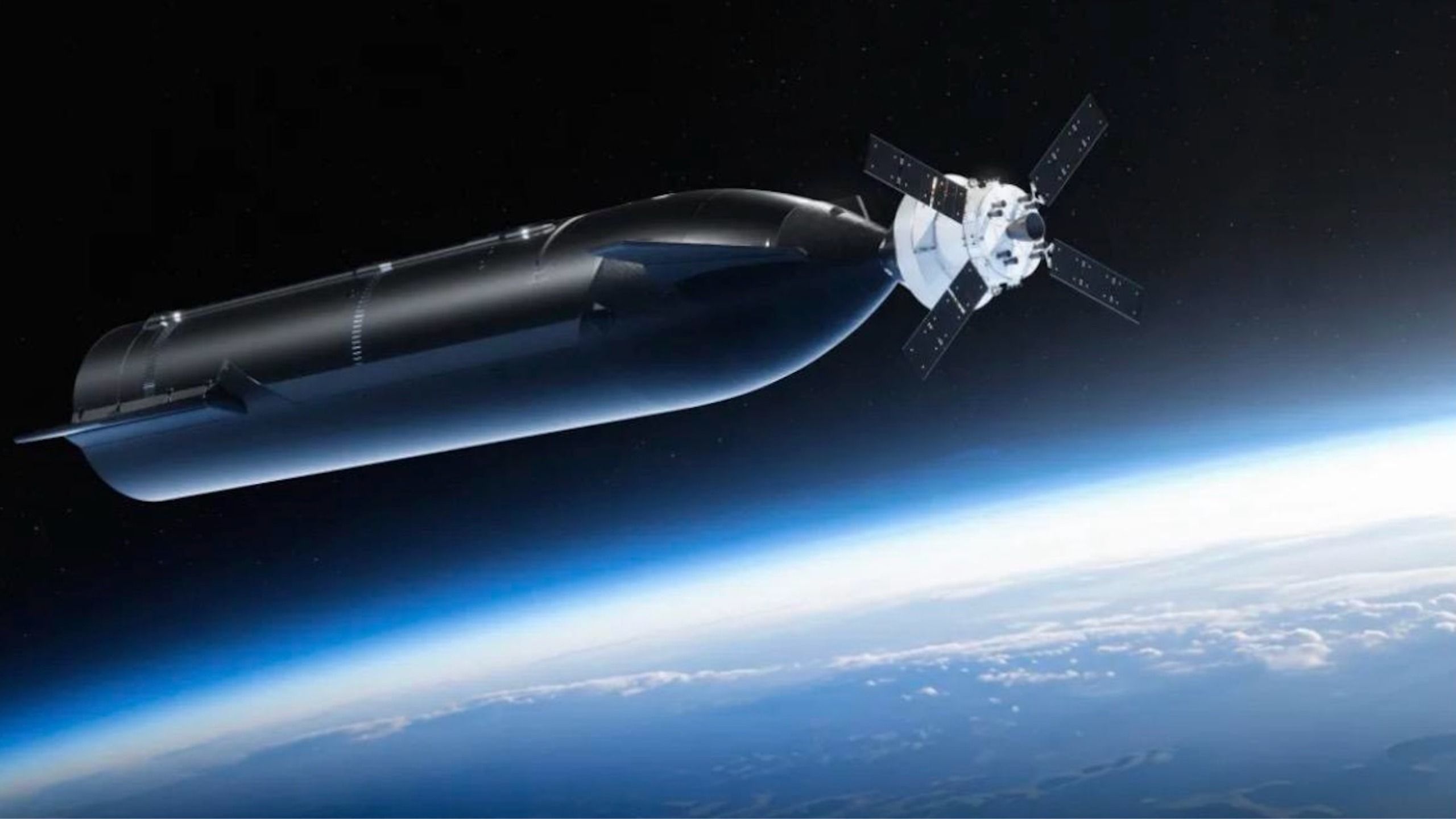
That emphasis on practice reflects the nature of the mission. Artemis 2 is not simply a flyby for spectacle; it is a systems test with crew on board. The astronauts need to be ready for piloting tasks, mission operations, and the practical demands of a roughly 10-day flight. NASA’s broader Artemis effort depends on Orion, its communications architecture, and the people flying it proving they can work together under real mission conditions.
The scale of support behind that visible crew is enormous. In separate NASA profiles published this week, agency personnel described how the mission relies on a worldwide communications backbone and tightly coordinated launch systems. Erik Richards, mission manager for NASA’s Near Space Network, said his team will support Orion and its crew during liftoff, early orbit, re-entry, and splashdown. Working with NASA’s Deep Space Network, that infrastructure is expected to provide voice communications, navigation, data transfer, and situational awareness throughout the flight.
A mission that reflects how lunar exploration has changed
Artemis 2 also shows how modern lunar exploration is being framed differently from earlier moon programs. The public face is not just technical prowess, but teamwork across agencies, countries, and disciplines. The crew includes NASA veterans with different flight backgrounds and one Canadian astronaut whose selection highlights the role of international partners in the Artemis architecture.
Hansen’s path to the mission illustrates that shift. Space.com notes that he was selected as an astronaut by the Canadian Space Agency in 2009 after serving as a Royal Canadian Air Force fighter pilot with NORAD experience. His seat assignment did not come until Artemis 2, a gap of 14 years. During that time, he supported other missions, worked on tools to help repair a dark-matter detector aboard the International Space Station, advised Canadian policymakers, and became the first Canadian to manage the training schedule for the 2017 astronaut class.
That long runway is a reminder that human spaceflight crews are assembled from much more than the people who appear in launch-day photographs. The astronauts on Artemis 2 are the visible endpoint of years of technical preparation, personnel development, and institutional planning. In that sense, the mission is as much about proving the durability of the pipeline behind deep-space exploration as it is about the flight itself.
What Artemis 2 needs to prove
The mission’s importance is practical as well as symbolic. Artemis 2 is expected to validate operations for a crewed Orion mission beyond low Earth orbit, an essential step before more ambitious Artemis objectives can proceed. Every phase matters: launch, crew habitation, communications continuity, re-entry, and recovery. If those elements perform as intended, NASA gains confidence not just in a single spacecraft, but in the operational foundation of its broader moon program.
That is why the mission’s cadence feels both exciting and careful. Public interest naturally gravitates toward the idea of astronauts circling the moon again, but NASA’s teams are treating Artemis 2 as a disciplined demonstration. The test has to show that the agency and its partners can execute a modern deep-space flight with crew aboard and bring them safely home.
If Artemis 2 succeeds, it will do more than revive a capability that has been dormant for generations. It will establish that the moon is no longer only a destination of historical memory. It is once again a place that space agencies are actively building toward, step by step, with a mission architecture meant to endure. That makes this launch more than a milestone. It is a checkpoint for the future direction of human exploration beyond Earth orbit.
This article is based on reporting by Space.com. Read the original article.
Originally published on space.com