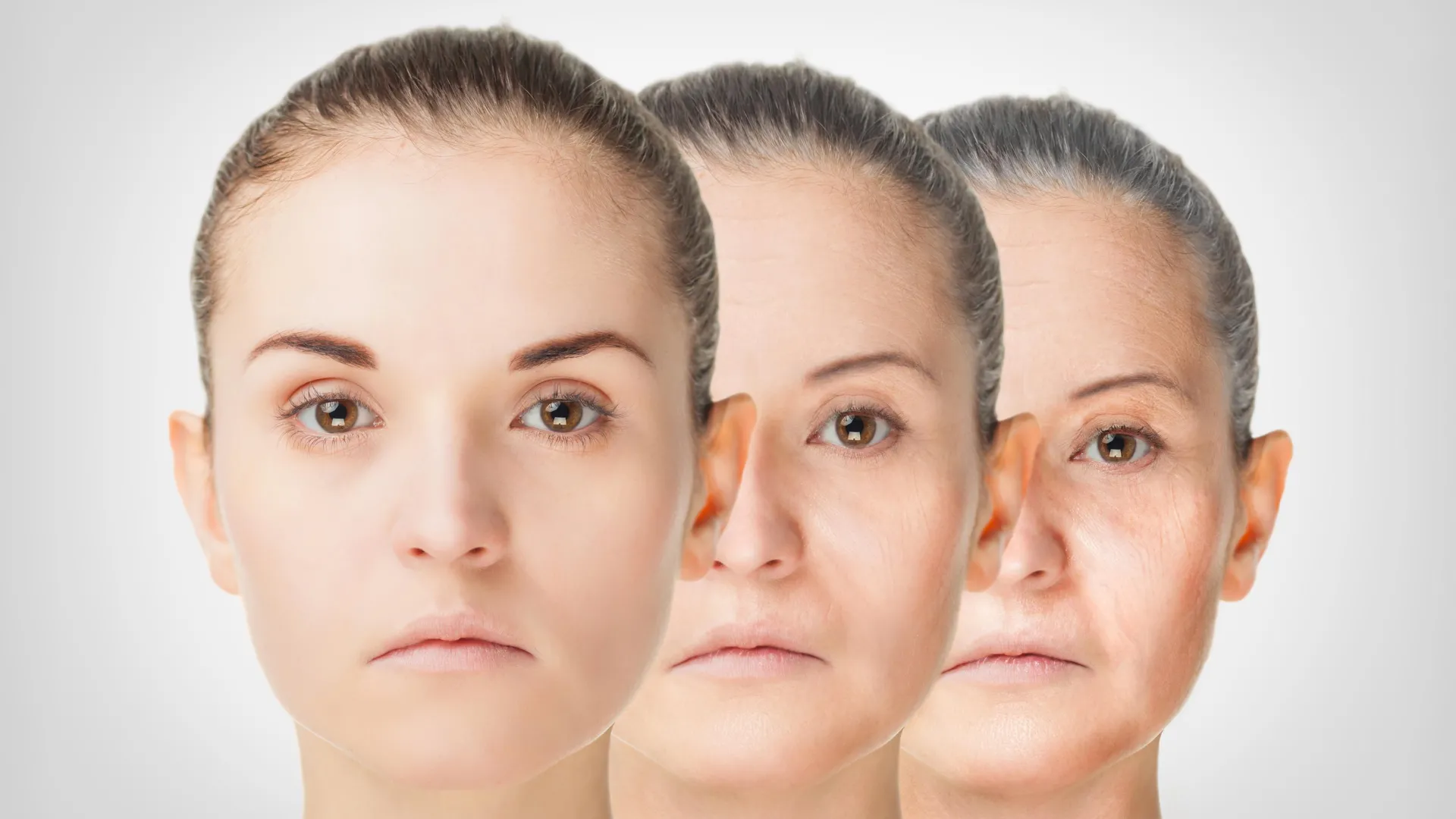
A review of what changes biological-age measurements
A Yale-led analysis of 51 studies has found that some prescription medications and lifestyle interventions can produce measurable changes in DNA-based markers of biological aging. The review also found little evidence that popular over-the-counter supplements achieve comparable effects.
The findings, published in Nature Medicine, aim to bring more structure to a crowded field of anti-aging claims. They do not show that any intervention extends human lifespan or prevents age-related disease. Instead, they focus on whether interventions shift biological-age measures derived from blood-based DNA tests.
That distinction matters. Biological-age markers are intended to capture aspects of aging that may not match a person’s chronological age. A change in such a marker may be scientifically useful, but it is not by itself proof of better health outcomes, longer life, or reduced risk of conditions such as cancer, diabetes, or dementia.
Aging as a shared risk factor
The work reflects a growing effort to study aging as a process that contributes to many diseases, rather than treating each disease entirely in isolation. Researcher Raghav Sehgal, an associate research scientist in psychiatry at Yale who specializes in computational biology and bioinformatics, shifted toward this question after initially planning to apply computational approaches to cancer research.
The underlying premise is not that aging has been solved or can simply be reversed. Rather, researchers are asking whether there are measurable biological processes that can be influenced, and whether the tools used to measure those changes are reliable enough to compare interventions.
DNA-based blood tests have become one of the prominent tools in that effort. The Yale analysis used the available research to assess interventions against those measurements, separating evidence of marker changes from stronger claims about clinical benefits.

What appeared to show an effect
According to the review, certain prescription drugs, healthy diets, and exercise were associated with measurable reductions in biological age as assessed by DNA-based blood tests. The report does not establish that every drug, dietary approach, or exercise routine works the same way, nor does it turn the findings into a recommendation for people to seek medication for anti-aging purposes.
Prescription drugs in particular require medical supervision because they are used for specific conditions, carry risks, and may not be appropriate for someone without the indication for which they were prescribed. The review’s contribution is evidence about biological-age measures, not a substitute for individual medical advice.
The lifestyle finding is also important because diet and exercise are often discussed alongside a commercial marketplace of longevity products. In the studies assessed, healthy diets and exercise showed measurable effects on the biological-age tests. The analysis places those comparatively established health behaviors alongside drug research, while maintaining uncertainty about whether the measured changes translate into longer or healthier lives.
Supplements did not show the same evidence
Popular over-the-counter supplements examined in the research showed little evidence of producing the same measurable effects. That does not mean every supplement has no health effect in every context. It means the reviewed evidence did not support comparable changes in the DNA-based biological-aging measures used in this analysis.
The difference highlights a common problem in longevity marketing: biological plausibility, individual testimonials, and broad promises can run ahead of clinical evidence. A compound can be widely promoted without demonstrating a consistent effect on the outcomes that matter most. The Yale review is an attempt to apply a more comparable measurement framework to those claims.
Even then, the authors’ caution remains essential. A favorable movement in a biological-age marker is not equivalent to demonstrating that someone will live longer or avoid disease. Those larger questions require studies that track clinical outcomes over time.

Why the measurement question is central
Scientists need ways to test interventions before waiting decades for lifespan data. Biological-age measures could help make research more efficient by providing an earlier signal about whether an intervention is affecting processes associated with aging.
But a useful early signal must be validated. Researchers need to know that changes in a marker are reproducible, meaningful, and connected to outcomes beyond the laboratory measure itself. Without that validation, an intervention could appear promising because it changes a test result while offering no real-world health benefit.
The Yale work therefore has two implications. It identifies categories of interventions that have shown measurable shifts in existing studies, and it reinforces the need for rigorous methods when interpreting those shifts. The field still needs to determine which biomarkers best reflect aging, how durable changes are, and whether they predict meaningful differences in disease and longevity.
What remains unknown
The most important unanswered question is whether changing biological-age markers changes people’s lives. The review explicitly notes that biological changes measured in blood do not necessarily mean longer life or protection from age-related illness.
That uncertainty should guide how the results are used. The report adds evidence for studying certain medications and lifestyle approaches, but it does not validate a consumer anti-aging regimen. It also gives little support, within the reviewed studies, for the expectation that widely marketed supplements will reproduce the measured effects seen with some other interventions.
For researchers, the analysis could help prioritize studies and standardize how candidate treatments are evaluated. For the public, it offers a narrower and more defensible takeaway: some interventions can shift biological-age test results, but the link between those tests and a longer, healthier life remains to be established.
This article is based on reporting by Science Daily. Read the original article.

Originally published on sciencedaily.com