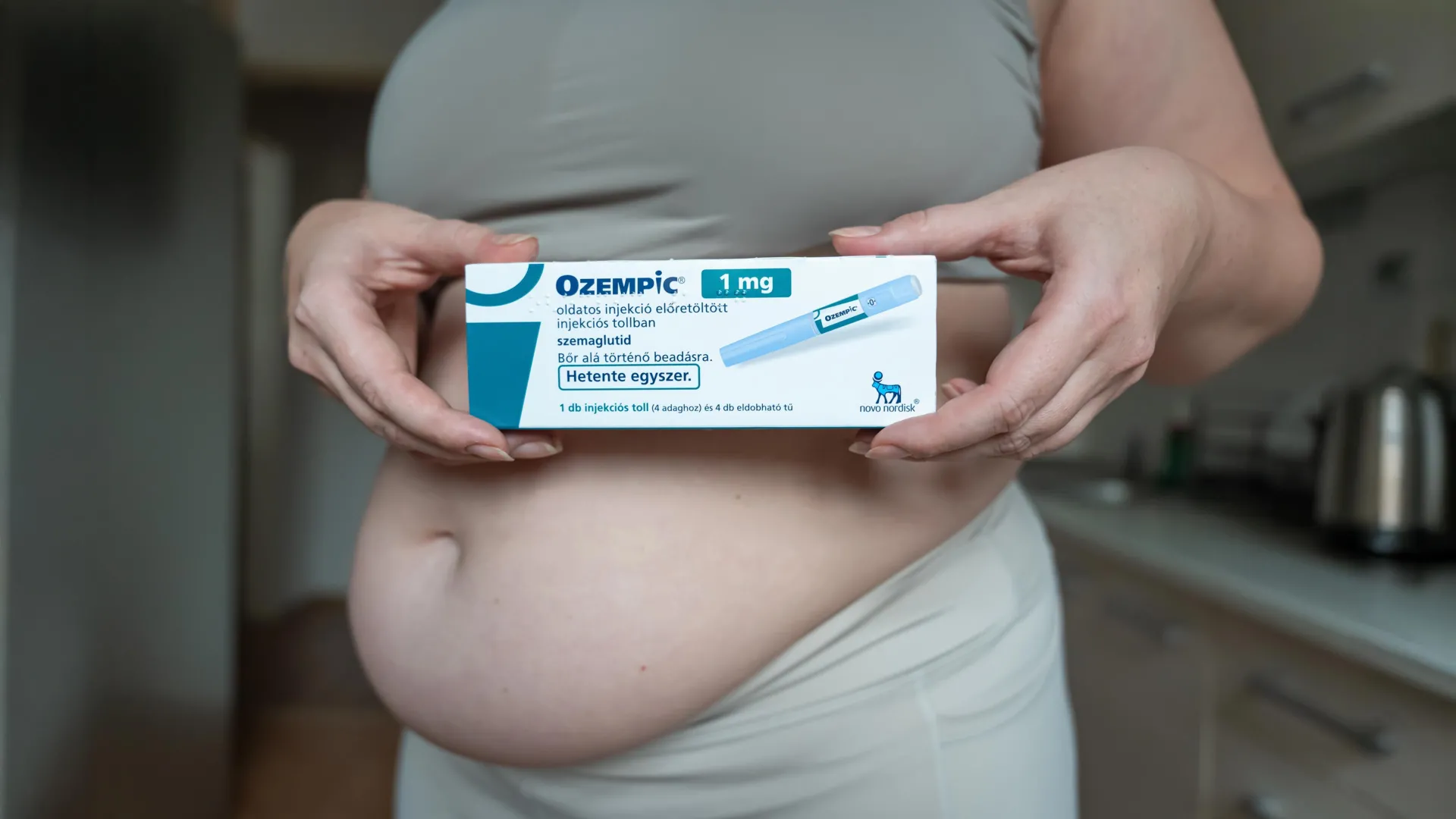
Large pregnancy study separates medication exposure from diabetes risk
A study involving more than 750,000 pregnancies has found a notable difference in outcomes associated with early exposure to GLP-1 receptor agonists, the drug class that includes semaglutide products Ozempic and Wegovy. The medications were associated with a higher risk of premature birth when they had been prescribed for diabetes, but not when prescribed for weight management.
The finding does not establish that the drugs themselves caused premature birth. Researchers say the contrast suggests that underlying diabetes may be driving the observed risk. The study was published in Human Reproduction Open, and comes as use of GLP-1 medicines expands rapidly for both diabetes treatment and weight loss.
What researchers examined
The analysis focused on women who unintentionally used GLP-1 receptor agonists shortly before or during early pregnancy. It included semaglutide, sold under the Ozempic and Wegovy brands, and liraglutide, sold as Saxenda. GLP-1 medicines were initially developed to manage type 2 diabetes and can also suppress appetite, making them widely used for weight management.
Among people using these medicines for weight management, researchers found no significant association with premature birth or with the other pregnancy complications assessed in the study. Among those prescribed the drugs for diabetes, early exposure was associated with a higher risk of premature delivery.

Diabetes may be the important distinction
Diabetes is itself associated with pregnancy risks, making it difficult to isolate the effect of a medicine from the condition for which it was prescribed. The study’s differing results by prescription indication are therefore important: they point away from a simple claim that early GLP-1 exposure produces the same risk in every pregnancy.
That is not the same as declaring the drugs safe during pregnancy. The researchers caution that safety remains uncertain. Current guidance described in the report recommends stopping GLP-1 treatment eight weeks before trying to conceive, a recommendation based on early-stage model-organism studies rather than definitive human evidence.
Why accidental exposure is becoming a bigger research question
GLP-1 receptor agonists have seen a sharp rise in prescriptions worldwide. As more people use them, accidental exposure around conception or in an unrecognized early pregnancy becomes a more common clinical question. The new study provides useful population-scale evidence, but it also underscores how much context matters when interpreting drug-safety signals.
For clinicians and patients, the study supports careful assessment of the underlying reason for treatment, as well as the person’s diabetes status and broader pregnancy risk profile. It should not be used as a reason to start, continue or stop a prescription without medical advice.
- The study covered more than 750,000 pregnancies.
- It examined early exposure to GLP-1 receptor agonists including semaglutide and liraglutide.
- Premature birth was more likely among women prescribed the drugs for diabetes.
- No significant association with premature birth or examined complications was found for weight-management use.
- Researchers say the drugs’ safety during pregnancy remains uncertain.

Evidence that narrows a question, rather than settling it
The research is valuable because it moves beyond a single pooled estimate. Treating all GLP-1 users as one group could obscure the role of diabetes, a condition with its own effects on pregnancy outcomes. By identifying a different pattern in the weight-management group, the study offers a more precise hypothesis for future work: the higher risk may arise principally from underlying disease rather than direct drug exposure.
Further studies will be needed to test that explanation, examine specific drugs and doses, and evaluate a wider range of maternal and infant outcomes. Until then, the most defensible conclusion is a limited one. The study provides some reassurance for one exposure group, identifies a risk signal in another, and reinforces that pregnancy decisions involving GLP-1 medicines require individualized clinical guidance.
This article is based on reporting by Science Daily. Read the original article.
Originally published on sciencedaily.com