A smart scale is turning into a monitoring platform
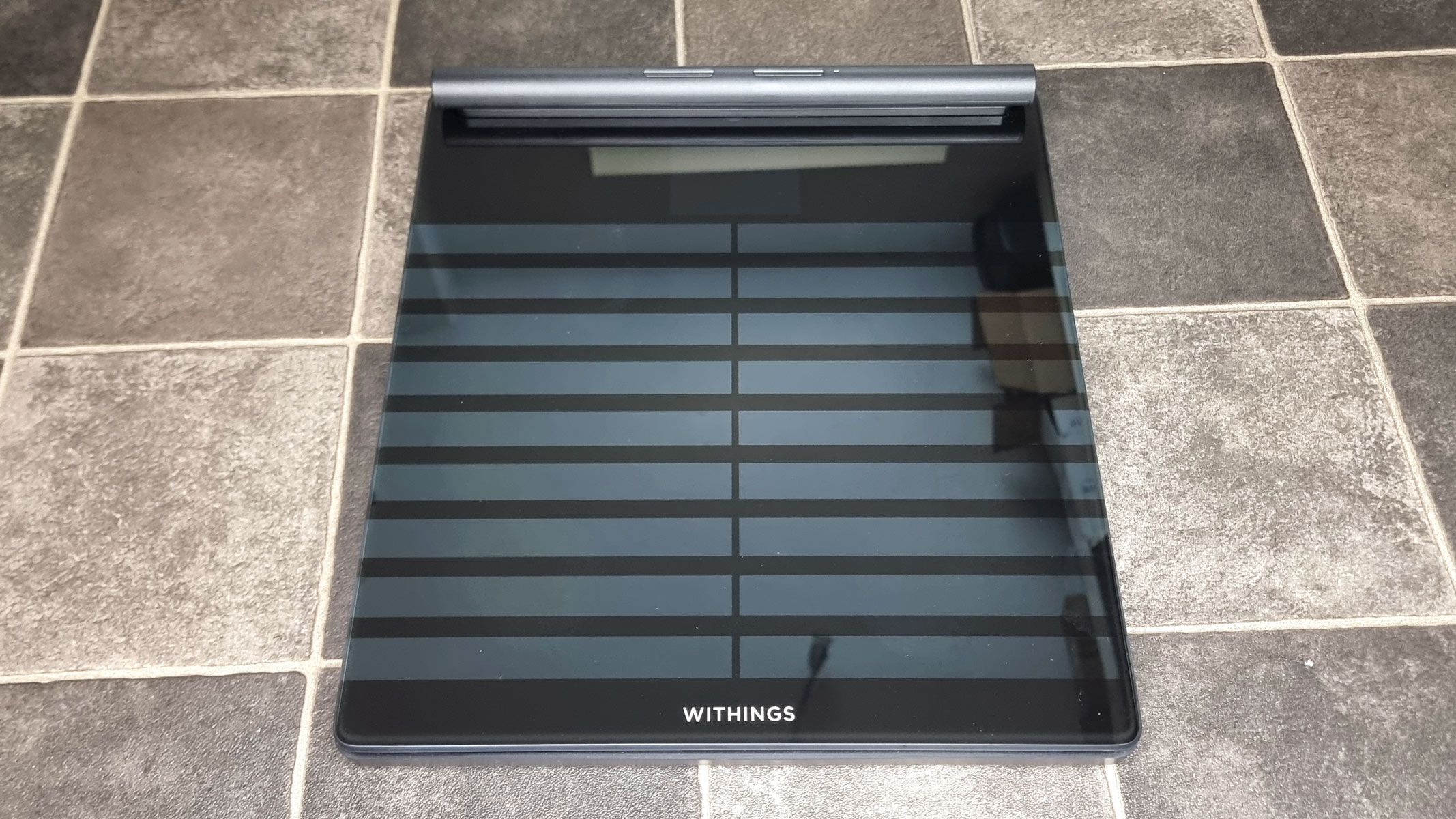
Withings’ Body Scan smart scale is an example of how consumer health devices are evolving from simple fitness accessories into broader home-monitoring tools. According to a detailed review published by Live Science, the Body Scan does more than record weight and basic body composition. It also measures ECG, arterial stiffness, heart rate and a “Nerve Health Score,” while offering segmental analysis through a foot-to-hand design.
That combination matters because it shifts the category away from weight management alone. Traditional smart scales focus on body fat percentage, muscle mass and similar consumer wellness metrics. More advanced models sometimes estimate basal metabolic rate or biological age. The Body Scan, as described in the source text, pushes further into cardiovascular and nerve-related measurements, positioning itself closer to a home health checkpoint than a dieting gadget.
What makes the device stand out
The review says the scale can assess ECG, analyze arterial stiffness by measuring the speed of the pressure wave generated by a heartbeat, and detect nerve activity in the feet. It also performs segmental body analysis using sensors in both a platform and a retractable handle. That architecture allows it to measure different body regions rather than treating the body as a single impedance target.
Reviewer Anna Gora describes the device as sufficiently accurate, well designed and oriented toward long-term monitoring of heart health, nerve activity and general well-being rather than purely toward weight loss. That emphasis is important. Even if some body-composition metrics remain basic, the product’s value proposition appears to rest on capturing longitudinal physiological signals at home.

The consumer-health direction
The larger trend is clear. Health hardware makers increasingly want routine consumer devices to gather richer physiological data without requiring clinical visits. Watches began this transition with heart-rate monitoring and ECG features. Smart scales are now trying something similar by extending measurement into circulation, nerve function and more detailed body analysis.
The appeal is obvious: users already step on a scale regularly. If that moment can also become a quick cardiovascular or nerve-health check, device makers gain a sticky routine and users gain a broader picture of health trends over time.
At the same time, products in this category sit in an awkward middle ground. They can offer more insight than older wellness gadgets, but they are not substitutes for professional diagnosis. That is why interpretation matters as much as measurement. A device that collects more signals is only helpful if the user can understand which shifts matter and when to seek medical advice.
Strengths and limitations in the review
The source review praises the Body Scan for relatively accurate measurements, inclusive design around weight and height, unique health insights and compatibility with the wider Withings ecosystem. It also notes usability and emotional-design choices such as positive language and an eyes-closed mode.
But the review is not uncritical. It describes the scale as expensive, flags a confusing app layout and says body-composition metrics remain fairly basic relative to the product’s premium positioning. That tension captures the current state of advanced consumer health hardware: companies can gather more data than before, but the software experience and practical usefulness still determine whether those features feel transformative or excessive.

Why the price question matters
The review’s central caution is simple: not everyone will benefit equally from what the device offers. Users primarily interested in fat percentage or routine weigh-ins may find it overpriced. The device becomes more compelling for people who care about function as much as composition, particularly long-term monitoring of heart and nerve-related indicators.
That distinction is likely to become common across the sector. As home devices collect more complex physiological data, the market may split between mainstream users who want easy, low-cost basics and a smaller group willing to pay for richer health tracking. Products like the Body Scan sit in the latter camp.
A sign of where connected health is heading
The most significant takeaway is not whether this specific scale is ideal for every buyer. It is that the scale category itself is changing. Connected health companies are trying to turn familiar household devices into broader sensing platforms that gather recurring, longitudinal data about the body. That could improve awareness and early flagging of change, especially when paired with other connected devices in the same ecosystem.
The challenge is converting technical capability into clear health value without overwhelming users. Based on the review, the Body Scan shows both the promise and the friction of that transition. It offers more meaningful physiological monitoring than typical smart scales, but its premium cost and software complexity may limit how broadly that promise translates.
Even so, the direction is unmistakable. Home health devices are becoming less about isolated metrics and more about building continuous portraits of function. The smart scale is now part of that shift.
This article is based on reporting by Live Science. Read the original article.

Originally published on livescience.com