Retraction Watch's List Reveals Planck Papers Removed
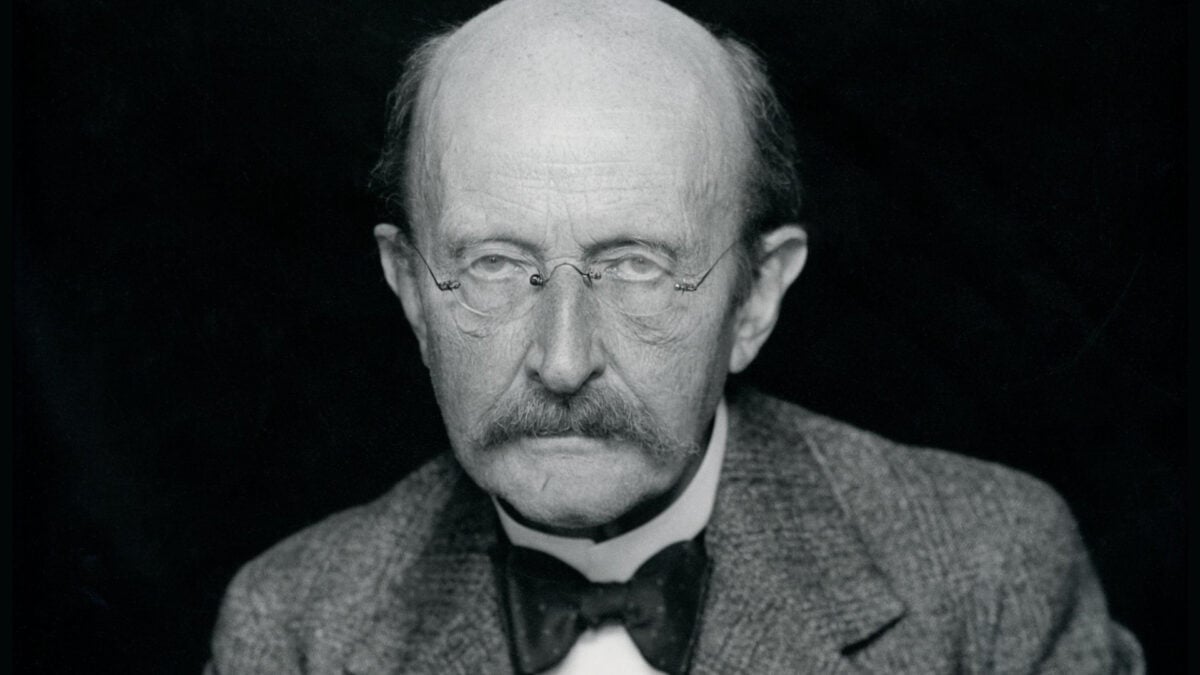
While reviewing a list titled "Retractions by Nobel Prize winners," compiled by the industry watchdog Retraction Watch, historian Yves Gingras found that two essays by physics pioneer Max Planck had been retracted. Gingras, a historian at the Université du Québec à Montréal, discovered that the papers were retracted decades after their publication in 1940 and 1942 in Die Naturwissenschaften. The German journal has been owned by publishing giant Springer Nature since 1913. What's more, the publisher had removed the original texts from its platform "due to copyright violation," such that they were no longer accessible. (Both papers are still available as physical scans at the Internet Archive.)
Historians Investigate the Retractions
Working with co-author Mahdi Khelfaoui at Université du Québec à Trois-Rivières, Gingras sought to learn more about how the papers got retracted. In a preprint yet to be peer-reviewed, the authors argue that the retractions likely stemmed from modern digital standards that failed to account for historical academic publishing practices. The paper prompted speculation that an internal Springer Nature algorithm, or bot, may have been responsible for the retractions. In a statement to Gizmodo, however, Springer Nature said that the papers were retracted in 2011 but that it was a human error and that no bots were involved.

Retractions Are Serious Business
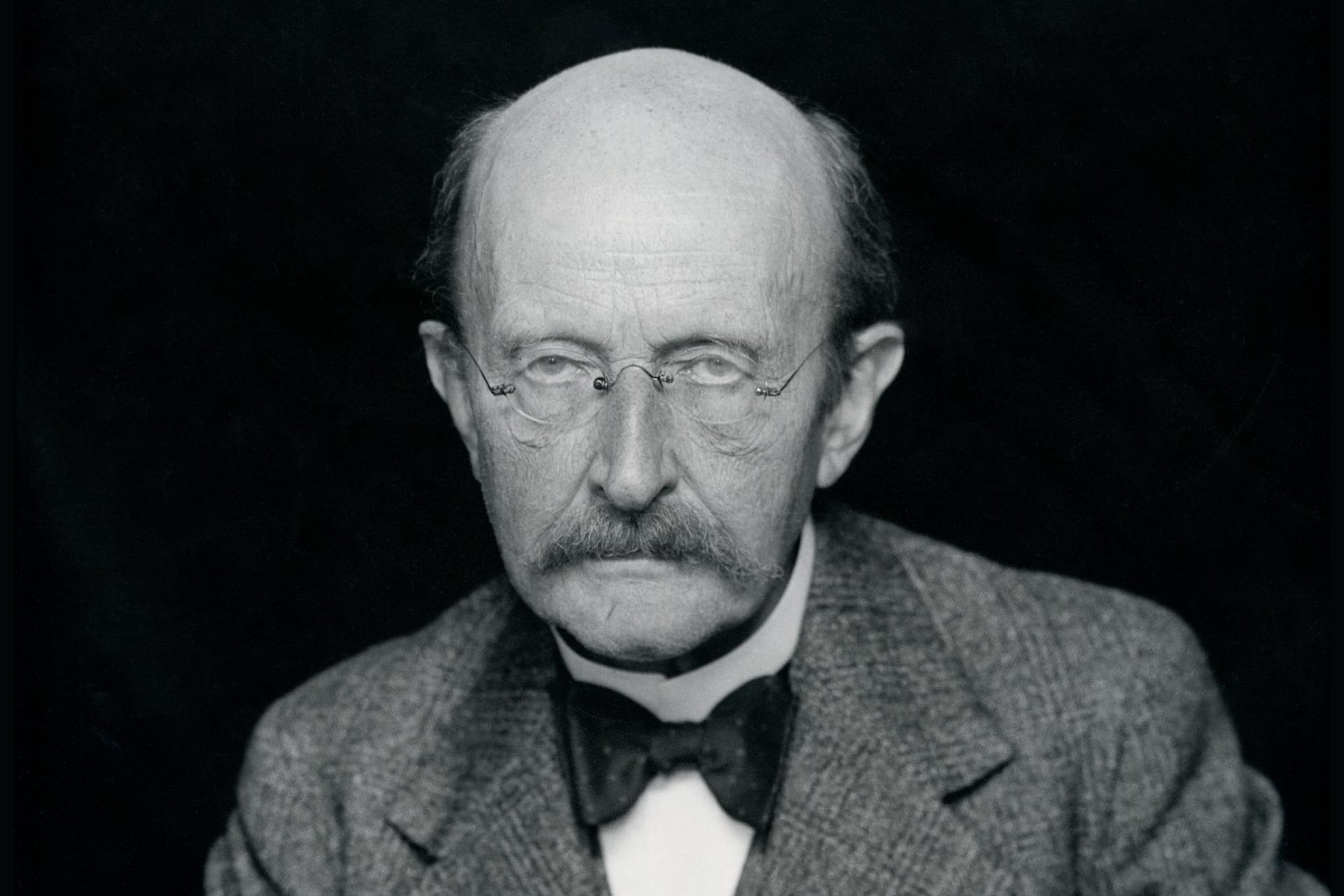
Retractions are serious and with wide-ranging implications, so it's important to get them right. As Retraction Watch co-founders Ivan Oransky and Adam Marcus have pointed out, retractions are "born of many mothers." Indeed, they're often the result of major errors, plagiarism, data falsification, or ethical or procedural violations. Now, in the case of Planck's papers, none of this appears to have been the case. In their paper, Gingras and Khelfaoui wrote that the retracted articles were published when Planck was effectively "one of the most renowned living physicists" and that historians described him as an "upright man."
Copyright, Not Science
Springer Nature notes on the retracted papers' landing pages that the articles were "withdrawn due to copyright violation." The authors argued that this category fails to capture the nuances of mid-20th-century publishing practices and that the decision to flag and remove the papers reflects a modern "obsession with publication productivity." "In the first half of the twentieth century, republication across multiple journals was common and often encouraged," the authors wrote. They suggest that the retractions may have been triggered by automated checks that flagged the papers as duplicates or copyright infringements without considering historical context.

Human Error or Algorithmic Overreach?
The case has sparked debate about the role of automation in academic publishing. While Springer Nature insists that a human made the retraction decision in 2011, the historians remain skeptical. "It seems unlikely that a human editor would have singled out Planck's papers for copyright violation without some automated flagging," Gingras told Gizmodo. The incident highlights the challenges of applying modern digital standards to legacy content. As publishers digitize vast archives, they increasingly rely on algorithms to detect issues, but these systems may lack the contextual understanding needed for historical materials.
Implications for Academic Publishing
The retraction of Planck's papers raises questions about the integrity of the scholarly record. If prominent works can be removed due to technicalities, what about less famous papers? The authors call for greater transparency in retraction processes and urge publishers to consider historical context when evaluating older publications. "Retractions should be reserved for genuine misconduct, not for administrative errors or anachronistic copyright claims," Khelfaoui said. The preprint is currently under review, and the historians hope their findings will lead to policy changes at Springer Nature and other publishers.

What's Next for Planck's Legacy?
For now, Planck's retracted papers remain inaccessible on Springer Nature's platform, though they can be viewed via the Internet Archive. The physics community has largely reacted with bemusement. "Max Planck is a giant of physics. His work from the 1940s is of historical interest, not a copyright threat," said a physicist who wished to remain anonymous. The incident serves as a cautionary tale about the pitfalls of digital curation and the need for human oversight in preserving scientific history.
This article is based on reporting by Gizmodo. Read the original article.
Originally published on gizmodo.com