New Approach to Asteroid Defense
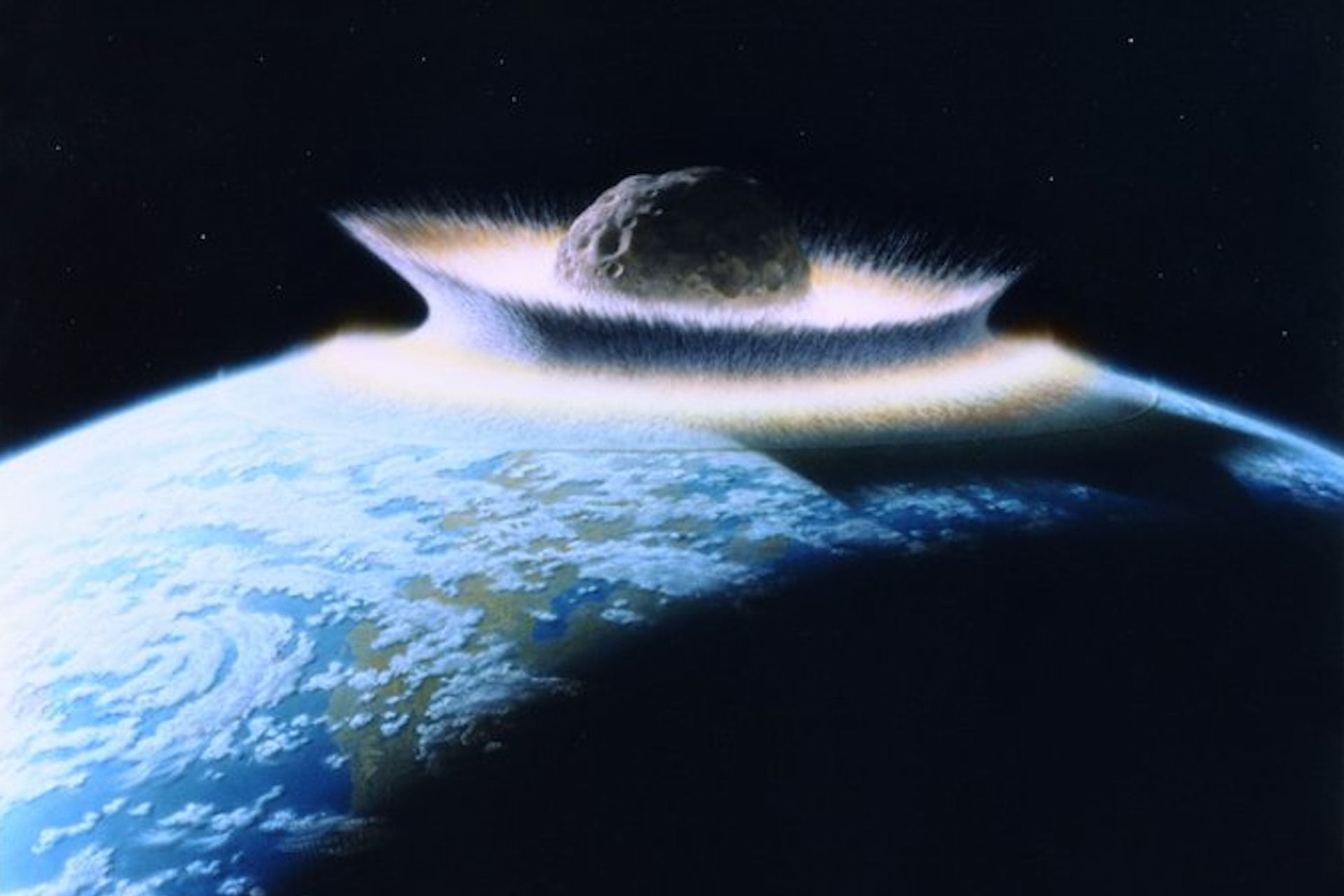
Scientists in China have proposed a novel method for protecting Earth from potentially hazardous asteroids: burying a nuclear warhead inside the asteroid before detonation. The study, published in Space: Science & Technology, outlines a strategy that could destroy or deflect asteroids roughly 330 feet (100 meters) wide—objects large enough to cause catastrophic damage if they struck Earth.
Led by Wang Xiaowei from the China Academy of Launch Vehicle Technology, the research team argues that for asteroids larger than 330 feet, traditional deflection methods like NASA's kinetic impact (demonstrated by the DART mission in 2022) may not be effective on short timescales. Instead, they propose harnessing the enormous energy of a nuclear explosion to either obliterate the asteroid or rapidly alter its orbit.
Two Nuclear Defense Modes
The study presents two possible modes for deploying nuclear devices against an incoming asteroid. The first is a direct-impact detonation method, which strikes the asteroid's surface to create a small crater and place a nuclear device. The second, more sophisticated method uses a penetration device to excavate a deeper crater, allowing the warhead to be buried inside the asteroid. This pre-excavation detonation approach ensures the asteroid is blown apart from within, maximizing the destructive force.
The researchers modeled the damage to the space rock using a virtual threat asteroid database, testing various explosive yields and burial depths. Their simulations indicated that the pre-excavation method is particularly effective for asteroids around 330 feet in diameter, which are numerous among near-Earth objects.

The Threat of Near-Earth Asteroids
Asteroids are rocky remnants from the formation of the solar system about 4.6 billion years ago. They orbit the Sun on elliptical paths, and many cross Earth's orbit. According to NASA, there are roughly 16,000 known near-Earth asteroids, of which 1,784 are classified as potentially hazardous. A potentially hazardous asteroid is defined as one with an orbit that comes within 0.05 astronomical units (about 4.65 million miles) of Earth's orbit and is typically larger than about 500 feet (140 meters) across.
While this classification does not mean an asteroid is definitely on a collision course, it does warrant careful monitoring. NASA and other space agencies keep a constant watch on these objects to provide early warning if one threatens Earth. For example, asteroid 2024 YR4 briefly had a 3.1% chance of hitting Earth in 2032, though subsequent observations reduced that risk to near zero.
Why Nuclear Options Are Being Considered
The DART mission in 2022 successfully demonstrated kinetic impact by crashing a spacecraft into an asteroid to alter its trajectory. However, the researchers behind the new study argue that for larger asteroids or those discovered with little warning, kinetic impact may not provide enough force to change the asteroid's path in time. Nuclear explosions, by contrast, deliver far more energy and can be deployed more rapidly.
"Using the enormous energy generated by nuclear detonation to directly destroy or rapidly deflect the asteroid's orbit," the researchers wrote, could be a viable last-resort strategy. The key is to ensure the explosion is placed optimally—inside the asteroid—to maximize fragmentation and momentum transfer.

Challenges and Next Steps
While the concept is promising, it faces significant hurdles. International treaties ban nuclear weapons in space, and any such mission would require global cooperation. Additionally, the precise placement of a nuclear device on a fast-moving asteroid is a complex engineering challenge. The study's simulations provide a foundation, but real-world testing would be necessary to validate the approach.
Nevertheless, the research adds an important tool to humanity's planetary defense arsenal. As the number of known near-Earth asteroids grows, so does the need for multiple strategies to protect our planet. Whether through kinetic impact, nuclear deflection, or other methods yet to be conceived, the goal remains the same: ensuring that no asteroid catches us unprepared.
This article is based on reporting by Gizmodo. Read the original article.
Originally published on gizmodo.com