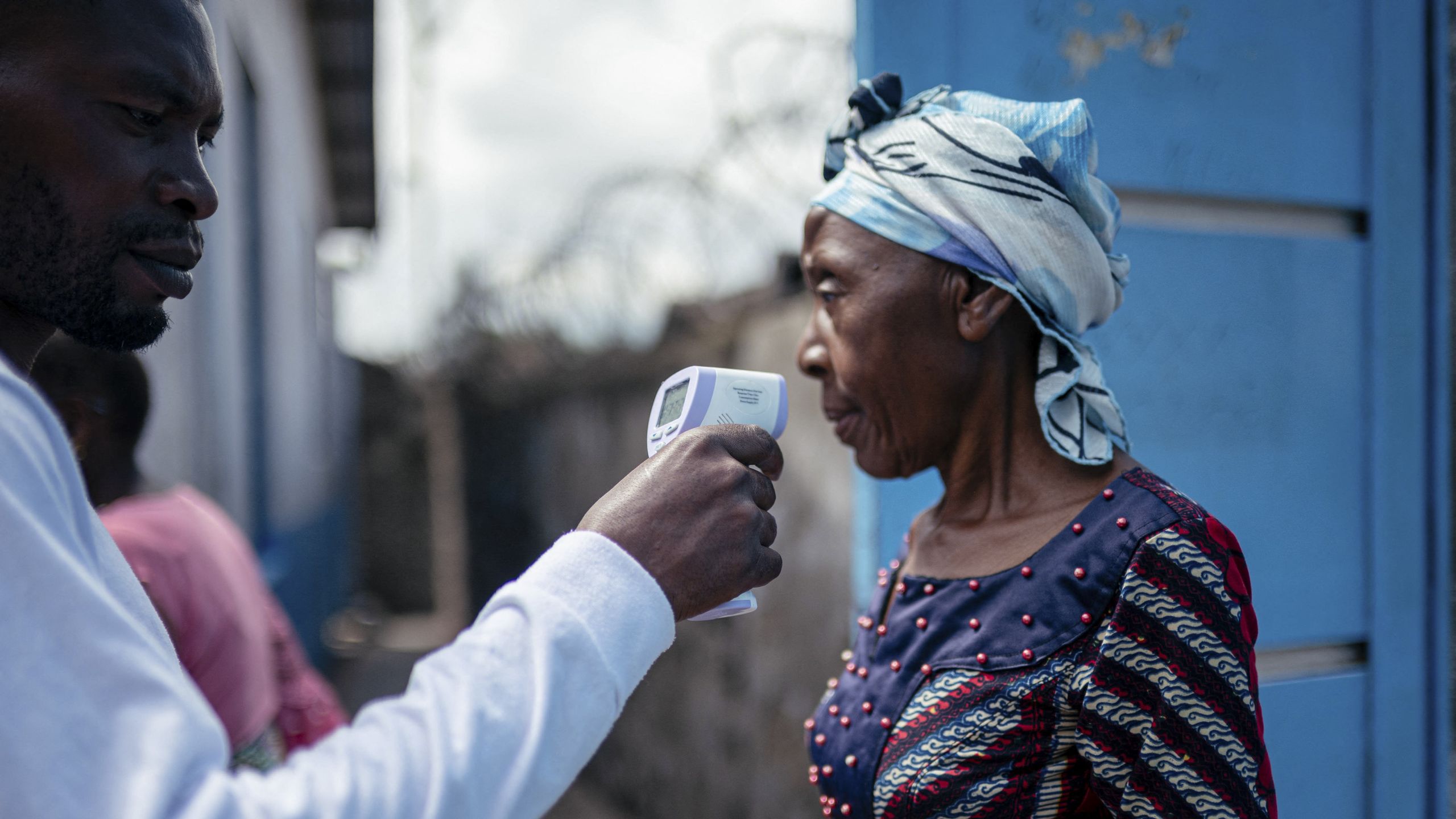
An outbreak with no licensed vaccine or treatment for this strain
The World Health Organization has declared the current Ebola outbreak in Central Africa a public health emergency of international concern, escalating concern over a fast-moving crisis centered in the Democratic Republic of the Congo. According to the supplied reporting, the DRC has recorded more than 390 suspected cases and over 100 deaths, while two additional cases have been reported in Uganda.
The outbreak is caused by the Bundibugyo virus, one of the Ebola virus species known to trigger major disease outbreaks. What makes this episode especially alarming is that there are no licensed vaccines or therapeutics for Bundibugyo virus. Supportive care can improve survival, but public health authorities are confronting the spread without the targeted tools available for some other Ebola strains.
Why the declaration matters
A public health emergency of international concern is one of the strongest alerts the WHO can issue. It signals that an outbreak has implications beyond one country and may require coordinated international action. In practical terms, the designation is meant to focus resources, attention, and cross-border response planning.
The Africa Centres for Disease Control and Prevention has also warned about the severity of the situation. Its director general, cited in the source material, said the lack of vaccines and medicines is his biggest worry as officials work with the governments of the DRC and Uganda to stop transmission.

A difficult strain to contain
The Bundibugyo virus presents a particularly hard challenge because the standard Ebola response playbook is narrower when no licensed product exists for the strain in circulation. The last two Bundibugyo outbreaks had case fatality rates ranging from 30 percent to 50 percent, according to the supplied report.
That does not mean outcomes are fixed. Rapid detection, isolation, contact tracing, infection control, and supportive treatment can still change the trajectory of an outbreak. But it does mean that health systems must rely more heavily on classic public health containment rather than a vaccine-led strategy.
International implications
The report also notes that at least six Americans were exposed to the virus while in the DRC, though it remained unclear at the time whether any were infected. That detail underscores why cross-border monitoring has become a central concern. Once cases or exposures span multiple countries, containment depends on speed, transparency, and coordination across public health agencies.
Uganda’s reported cases further reinforce that this is not a strictly local emergency. The movement of people across borders, combined with delayed detection or overstretched health infrastructure, can widen the operational burden quickly.

The immediate priority
Right now, the central task is stopping transmission. The declaration itself does not solve the medical gap, but it can concentrate global focus on surveillance, response funding, and logistics. In outbreaks where licensed countermeasures are absent, the quality of coordination becomes even more decisive.
The latest emergency notice is a reminder that Ebola remains a scientific and public health challenge with multiple faces. Even after years of progress against some forms of the disease, a different viral species can still force the world back into a familiar posture: race to detect, isolate, support, and contain before the outbreak widens further.
This article is based on reporting by Live Science. Read the original article.
Originally published on livescience.com