A space-weather defense concept moves from warning to intervention
Researchers have proposed an unusual new way to protect Earth from the worst solar storms: place a constellation of satellites in geosynchronous orbit, then have them release gas that forms a temporary plasma barrier when a major event is on the way. The concept, called StormWall, is designed to reduce the impact of rare but potentially catastrophic solar superstorms that could overwhelm satellites, power grids, communications networks and other critical infrastructure.
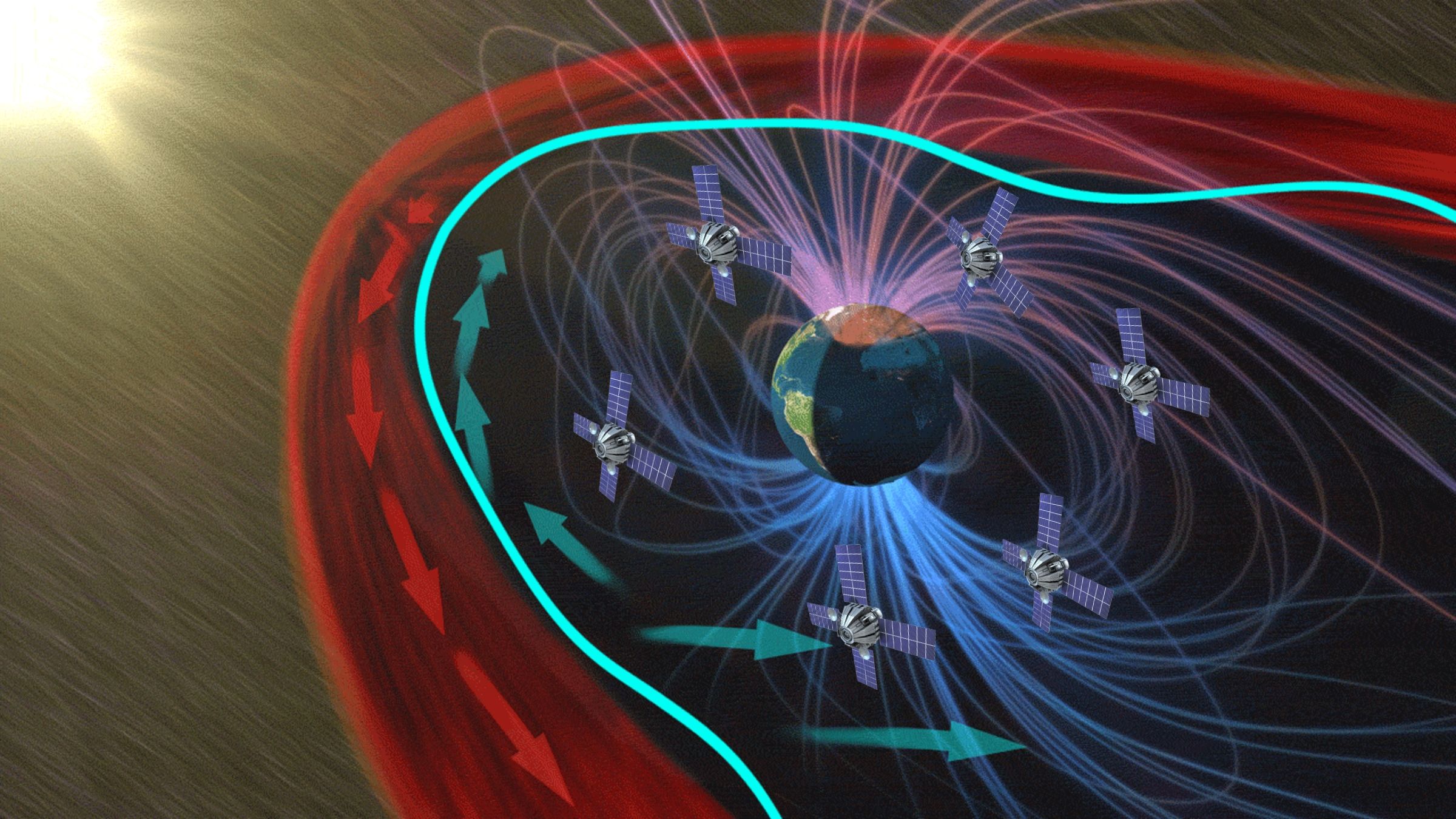
The idea was described in a study published June 2 in the journal Space Weather and highlighted July 1 by Live Science. According to the supplied source text, the proposed system would use six spacecraft stationed around Earth. If forecasters identified an incoming superstorm, the satellites would release clouds of gas into the magnetosphere. That material would create a protective plasma wall in front of the planet, helping blunt the effects of the incoming event.
The proposal stands out because most space-weather planning today is defensive in a narrower sense. Governments, utilities and spacecraft operators generally focus on forecasting, hardening systems and preparing procedures for disruption. StormWall suggests something more active: modifying the near-Earth space environment itself to reduce the damage before it reaches vulnerable systems.
Why researchers are worried about extreme events
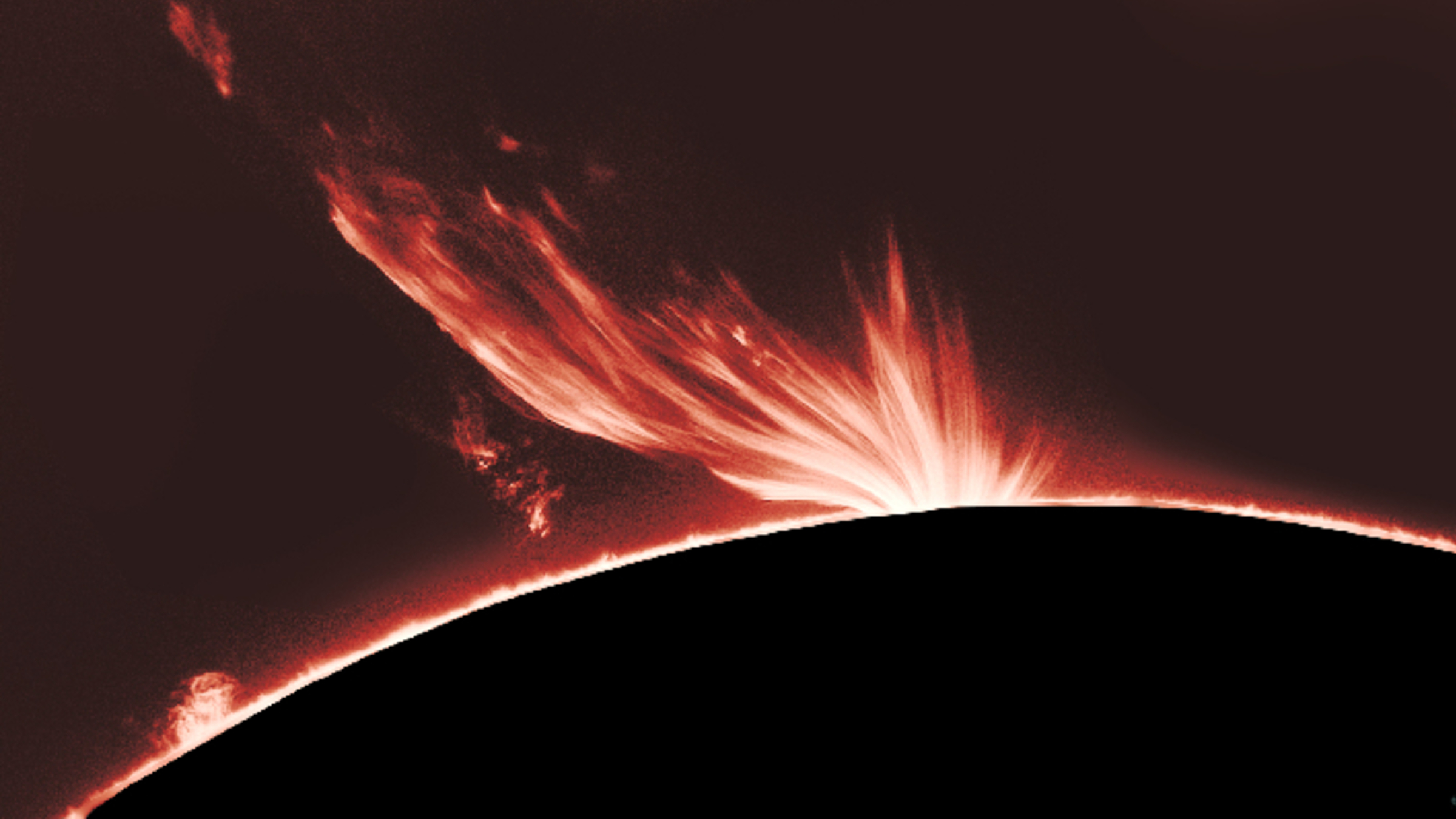
Solar storms are a normal feature of solar activity, and they often produce effects that are more spectacular than dangerous, such as bright auroras. But the source text emphasizes that not all such events are benign. Storms are often driven by coronal mass ejections, large clouds of charged plasma hurled outward from the sun, sometimes following powerful solar flares.
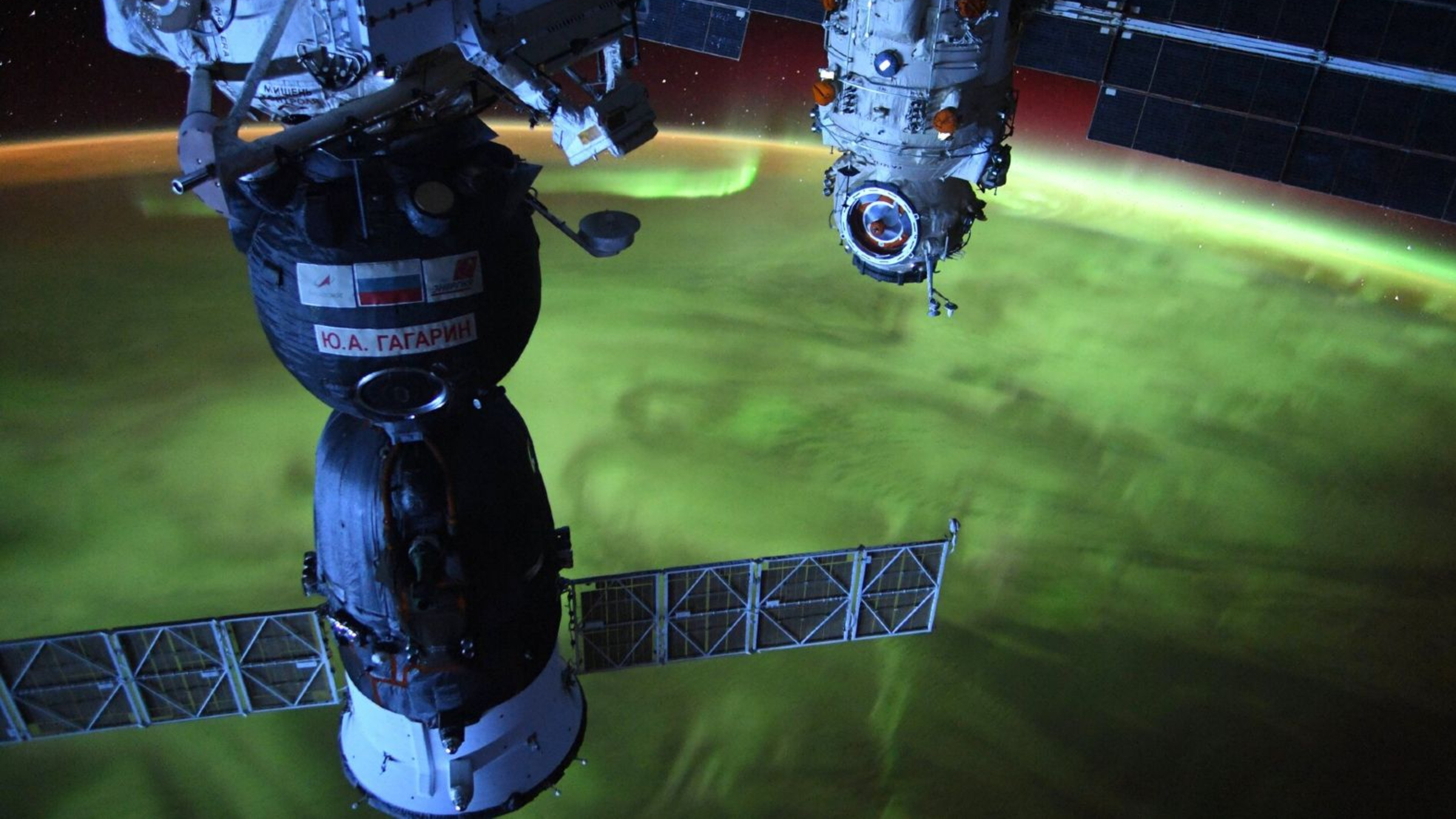
In extreme cases, those eruptions can become far more serious. The source text points to the Carrington Event of 1859 as the benchmark for a once-in-a-century scale superstorm. A comparable event striking modern society could have consequences far beyond temporary service interruptions. The supplied text says such a storm could destroy satellites in orbit, expose astronauts to lethal radiation, damage power grids and disrupt the internet.
That framing helps explain why a concept like StormWall is being taken seriously at all. Modern economies rely on a much denser web of satellite navigation, communications links, timing systems, cloud infrastructure and electrified networks than existed even a few decades ago. A severe geomagnetic event would not stay confined to the space sector. It would ripple through transportation, finance, telecommunications, defense and emergency response.

How the StormWall system would work
The source text describes StormWall as a constellation of six satellites in geosynchronous orbit. In a crisis, those spacecraft would dump gas into space, creating a plasma structure that acts like a giant airbag in front of Earth. The goal is not to stop the solar storm entirely, but to reduce its most destructive effects by more than 50%, according to the supplied text.
That number is significant because even partial mitigation could change the economics of resilience. Space-weather disasters are often modeled in the trillions of dollars when direct equipment damage, outages and knock-on disruptions are combined. A system that materially reduces peak intensity could give operators more time, preserve portions of orbital infrastructure and lower the scale of cascading failures on the ground.
The proposal also appears to build on existing knowledge of how plasma behaves in Earth’s magnetosphere. Rather than imagining a rigid shield or exotic energy barrier, StormWall uses released gas to influence the charged-particle environment around the planet. In other words, the concept is dramatic, but it is not presented as magic. It is an attempt to engineer a temporary protective condition in space using known physical processes.
The source text says experts consider the idea “quite feasible,” which is important. That does not mean the system is ready for deployment, or that all scientific and operational questions are settled. It does suggest the proposal sits within the bounds of serious technical discussion rather than science-fiction speculation.
From forecasting to planetary infrastructure
If StormWall advances, it would mark a broader shift in how space-weather risk is managed. Today, the dominant model is prediction plus preparedness. Scientists monitor the sun, issue alerts and help operators react. StormWall adds a third layer: intervention.
That matters because forecasting alone has limits. Even excellent warning systems do not eliminate exposure if the underlying infrastructure remains vulnerable. Utilities can temporarily reconfigure parts of the grid. Satellite operators can place spacecraft into safer modes. But those measures still assume the storm must be endured rather than softened.
A successful mitigation system would effectively create a new class of planetary infrastructure, one aimed not at commerce or exploration but at shielding the technological systems that modern civilization depends on. That is a large conceptual step. It implies that as human activity in orbit and on connected networks grows, direct protection from solar extremes may become a practical engineering discipline.

What remains unresolved
The supplied text makes clear that StormWall is a proposal, not an operational program. Several questions remain open. The source does not establish how expensive the system would be, how often it would need replenishment, what the exact deployment thresholds would be or how it would be coordinated internationally. It also does not detail the full range of environmental or orbital side effects that would need to be studied before any launch.
There is also the challenge of governance. A system designed to alter conditions in near-Earth space during a planetary emergency would likely require broad international trust, especially if it affected shared orbital regions or critical infrastructure used across borders. Even if the physics prove sound, a future StormWall program would need a policy framework as much as an aerospace one.
Still, the proposal reflects a notable change in ambition. Instead of merely accepting solar superstorms as unavoidable natural hazards, researchers are asking whether the space around Earth can be deliberately shaped to reduce the damage. That alone makes StormWall an important signal of where space-weather thinking may be headed next.
This article is based on reporting by Live Science. Read the original article.
Originally published on livescience.com