Bacteria may offer a new route for uranium cleanup
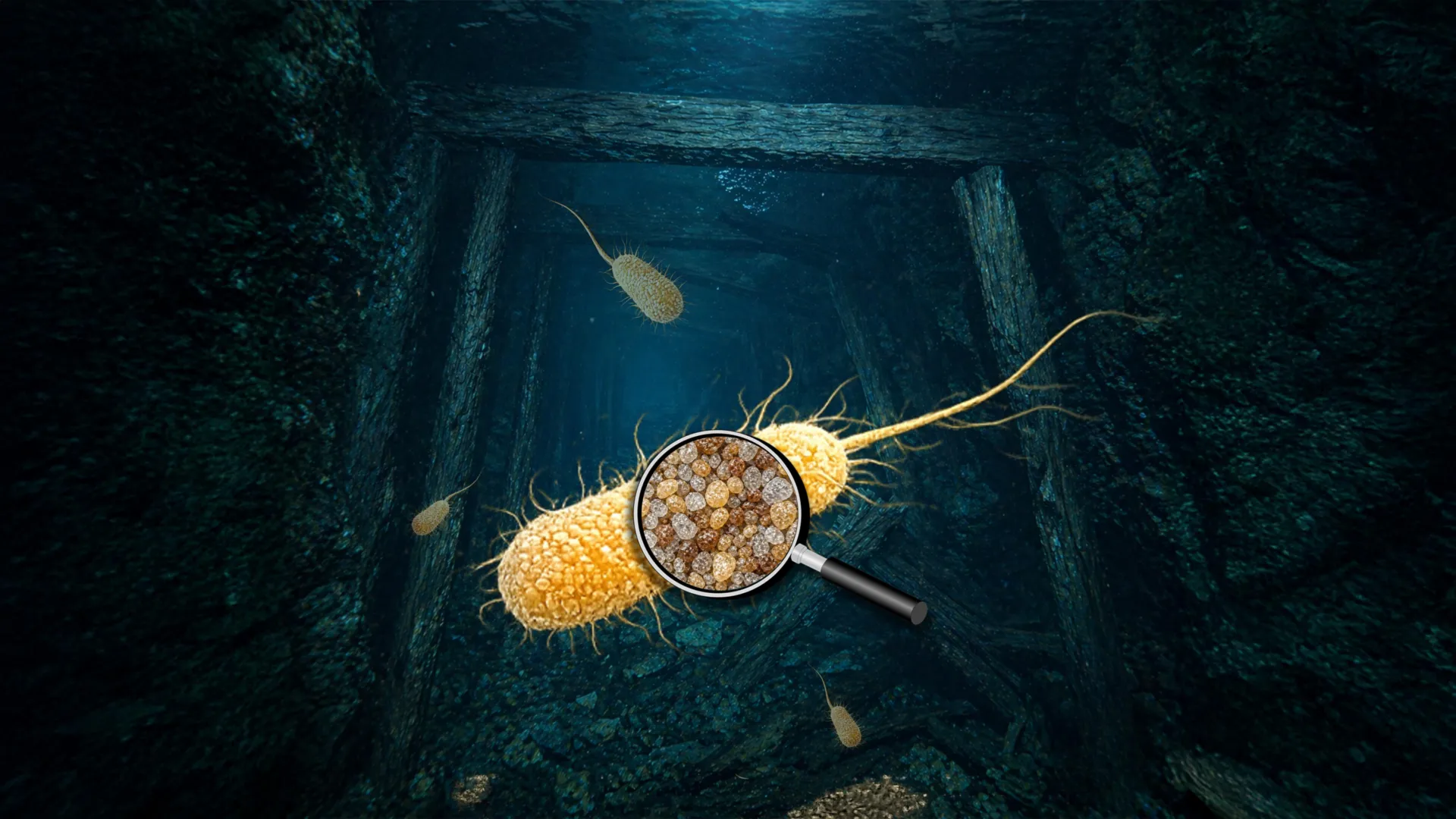
Researchers at Helmholtz-Zentrum Dresden-Rossendorf, working with Wismut GmbH and scientists at the University of Granada, say they have shown that bacteria can transform dissolved uranium in contaminated water into a stable chemical form. The team reports that when microbes in uranium-contaminated mine water were supplied with glycerol as a food source, about 95% of the dissolved uranium disappeared within 130 days.
The result matters because uranium becomes especially difficult to manage once it is dissolved in water. In soils and rocks, uranium is often bound up in minerals. But mining activity and other environmental processes can change it into mobile forms that move through groundwater and spread contamination. If microbes can reliably convert that dissolved uranium into a stable compound, they could eventually become part of a more practical strategy for keeping radioactive pollution from migrating.
The work was described as the first demonstration that bacteria can turn uranium dissolved in water into a stable chemical compound under these conditions. The findings were published in Nature Communications, according to the source material.
Why dissolved uranium is such a problem
Uranium is both radioactive and chemically toxic. In contaminated environments, the immediate challenge is often not just that the metal is present, but that it can move. Once uranium is in a dissolved state, it can travel with water through underground systems, increasing the risk that it will spread beyond the original contaminated site.
That makes immobilization a central goal in remediation. Cleanup systems often try to stop uranium from remaining soluble long enough to enter drinking water sources or wider ecosystems. A process that shifts uranium from a mobile dissolved form into a stable solid form could reduce that risk significantly, especially in old mining regions where contamination can persist for decades.
The newly reported work focuses on natural microbial activity rather than purely chemical or mechanical treatment. Soil and water bacteria already play major roles in ecosystem chemistry, and some species are known to process materials harmful to humans and other organisms. The researchers say uranium can also be part of that microbial chemistry under the right conditions.

What the researchers observed
According to the source text, the researchers had previously found that bacteria could use dissolved uranium in their metabolism when glycerol was available. In the new work, they wanted to understand two things more clearly: how effectively the microbes could reduce the amount of dissolved uranium, and what uranium compounds were produced during that process.
The experiment used mine water contaminated with uranium and added glycerol, a simple organic compound that is a basic component of plant and animal fats and can also form naturally when fungi break down wood. With that carbon source available, the microbial community processed the uranium over time.
The headline result was that roughly 95% of the dissolved uranium was removed within 130 days. Just as important, the uranium was not merely shifted into another unstable intermediate. The team says the microbes helped convert it into an unusually stable uranium compound, one that had rarely been observed before.
That point is critical. In contamination control, temporary immobilization is useful, but stable immobilization is far more valuable. If a compound forms and then easily breaks down when environmental conditions change, the cleanup benefit can be short-lived. A more persistent form could make microbial treatment far more relevant for long-term remediation planning.
An unexpected chemical state
The researchers also say the uranium entered a chemical state that had previously been considered only temporary. That finding appears to be one of the more scientifically important aspects of the study because it suggests uranium behavior in natural microbial systems may be more complex, and potentially more useful, than assumed.
In practical terms, that means bacteria may not simply reduce uranium in a routine way. They may be helping create a pathway toward a form that remains locked in place more effectively than expected. For environmental scientists, that raises new questions about whether similar processes are already happening in contaminated sites and whether they can be deliberately encouraged.
The study therefore does two jobs at once. It points to a possible cleanup tool, and it also expands the scientific understanding of how uranium chemistry can change in living systems. Those are different kinds of progress, but both matter for a field that has often had to balance expensive engineering solutions with incomplete knowledge of what natural systems can already do.

Why glycerol matters
Glycerol is not just a laboratory additive in this story. The source material notes that it can occur naturally, including through the breakdown of wood by fungi. That makes it relevant beyond controlled experiments. If glycerol or similar food sources shape how bacteria handle uranium, then the chemistry of contaminated sites may depend in part on what organic material is available there.
That does not mean contaminated groundwater can simply be treated by adding a common carbon source and waiting. The research described here is specific to particular microbial communities and environmental conditions. But it does suggest that feeding the right bacteria in the right way could become part of an engineered bioremediation approach.
Any real-world application would still need to answer obvious questions about speed, consistency, site conditions, and the long-term durability of the resulting uranium compound. A 130-day removal window may be promising, but field deployment would require confidence that the process remains effective across seasons, water chemistries, and mixed contaminants.
What this could mean for cleanup strategies
The immediate takeaway is not that uranium remediation has been solved. It is that a biologically driven route to immobilization now looks more concrete. If bacteria can convert dissolved uranium into a rarely seen stable compound, contaminated mining regions could eventually benefit from cleanup methods that are less dependent on continuous mechanical intervention.
The broader appeal of microbial cleanup is that it may work with environmental processes rather than against them. Instead of extracting huge volumes of water for treatment or relying only on chemical barriers, remediation planners could potentially foster conditions that encourage uranium-trapping bacteria to do part of the work in place.
That prospect remains a research direction, not a deployed solution. But the reported findings give scientists a stronger basis for pursuing it. They also underline a wider pattern in environmental science: microbes once treated mainly as background biology are increasingly being recognized as active partners in managing pollution.
- The study says bacteria removed about 95% of dissolved uranium from contaminated mine water within 130 days when given glycerol.
- The uranium was converted into an unusually stable compound, not just a short-lived intermediate form.
- The findings could support future efforts to use microbes in uranium-contaminated water cleanup.
This article is based on reporting by Science Daily. Read the original article.

Originally published on sciencedaily.com


