A new role for magma in Earth’s oxygen story
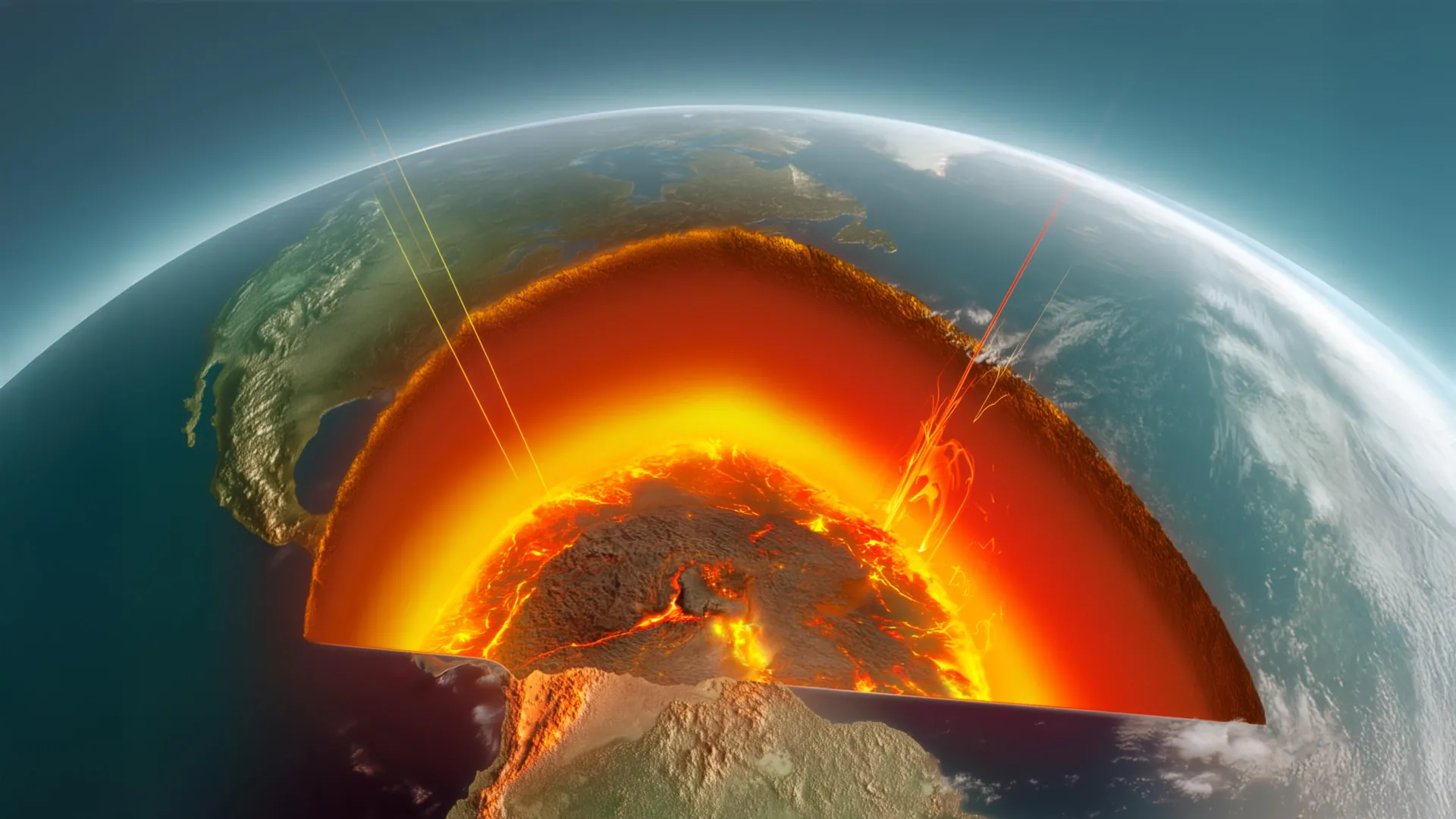
Scientists report that molten rock deep inside Earth may be able to hold substantially more oxygen than conventional models have assumed. The finding, based on high-pressure experiments and computer simulations, points to a possible previously unrecognized link between the planet’s interior, volcanic activity and the development of an oxygen-rich atmosphere.
Oxygen is already one of the most abundant elements in Earth’s silicate interior, which includes much of the mantle and crust. The prevailing view has been that the amount of oxygen in magma is largely fixed by the quantities and electrical charge states of the other elements in the melt, including silicon, magnesium and iron. Under that framework, oxygen is not generally treated like a volatile component that can be taken up by magma and later released as conditions change.
The new work challenges that assumption. Researchers found that magma can absorb oxygen beyond the amount expected from its ordinary chemical composition. In effect, molten rock may act as a reservoir for additional oxygen under deep-Earth conditions.
Why the distinction matters
Water and carbon dioxide are familiar examples of volatile components in magma. They can dissolve in molten rock at high pressure and later escape as gas when pressure falls, a process that helps shape volcanic behavior. Oxygen has typically occupied a different place in models of magma chemistry: its abundance has been calculated as part of the structure and charge balance of the melt rather than as a separately stored component.
If oxygen can be incorporated into magma in excess of that conventional accounting, it changes the set of processes scientists may need to consider when reconstructing the movement of oxygen between Earth’s interior and its surface environment. The researchers describe the result as a hidden oxygen reservoir, not because it is a newly discovered physical layer within the planet, but because magma’s capacity to contain this extra oxygen had not been fully recognized.
That capacity could matter over geological timescales. Ancient eruptions repeatedly transferred material from the deep interior toward the surface. The study raises the possibility that oxygen released from magma during such processes contributed to the transformation of Earth’s atmosphere billions of years ago.
Testing magma under extreme conditions
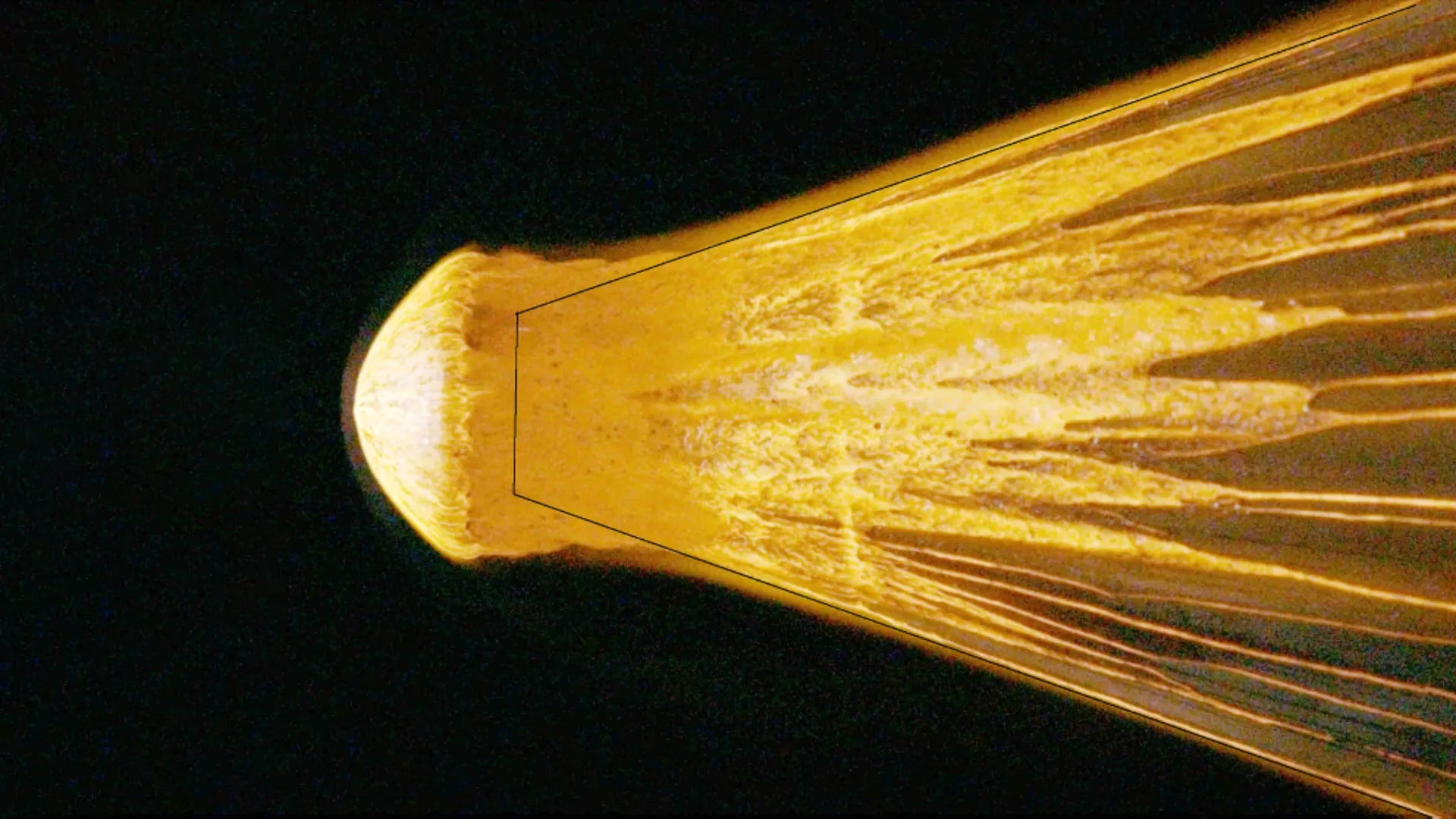
The research combined high-pressure experiments with advanced computer simulations. This approach is important because the physical and chemical conditions deep inside Earth cannot be reproduced by simply examining lava at the surface. Pressure, temperature and the behavior of atoms in molten silicates all affect how elements are incorporated and stored.
The work was led by Yanhao Lin and Ho-kwang Mao of the Center for High Pressure Science and Technology Advanced Research, together with Haiyang Niu of Northwestern Polytechnical University and Wim van Westrenen of Vrije Universiteit Amsterdam. Their findings were published in National Science Review.
By pairing experiments with simulations, the team sought to examine both the observable behavior of materials under extreme conditions and the atomic-scale mechanisms that could explain it. Their conclusion is that magma’s oxygen content may not be limited as tightly as earlier assumptions suggested.
Atmospheric implications, with important limits
The result does not establish that deep magma was the sole or dominant source of the oxygen in Earth’s modern atmosphere. It does, however, introduce a potential contributor that must be weighed alongside other processes in the history of atmospheric change. The study’s central implication is that oxygen cycling may involve a more active exchange between the deep Earth and the surface than standard models have captured.
That distinction is especially relevant to questions about how Earth became a planet with a breathable, oxygen-rich atmosphere. A reservoir in molten rock could affect when and how oxygen became available to the surface, depending on the conditions under which magma formed, moved and erupted. It could also influence interpretations of volcanic gases in Earth’s distant past.
Researchers say the finding has implications beyond our own planet. Understanding how a rocky world stores and releases oxygen is relevant to efforts to interpret the histories and atmospheres of other planets. A world’s surface atmosphere may reflect not only chemistry driven by sunlight, oceans and life, but also long-running exchanges with its interior.

What comes next
The report opens a path for further work rather than closing a long-standing question. Scientists will need to determine how widespread the oxygen-storage behavior is across different magma compositions and the range of pressures and temperatures found within Earth. They will also need to assess how readily the stored oxygen can be released as magma rises and decompresses.
Those details will determine how much the mechanism changes broader models of the deep oxygen cycle. Even so, the study is a reminder that a familiar substance can still hold surprises under conditions far removed from the laboratory bench or a volcanic landscape. In this case, the surprise is that molten rock may contain an overlooked part of the planet’s oxygen inventory—and potentially a new chapter in the story of how Earth’s atmosphere changed.
This article is based on reporting by Science Daily. Read the original article.
Originally published on sciencedaily.com