Solar Activity Intensifies Ahead of Independence Day
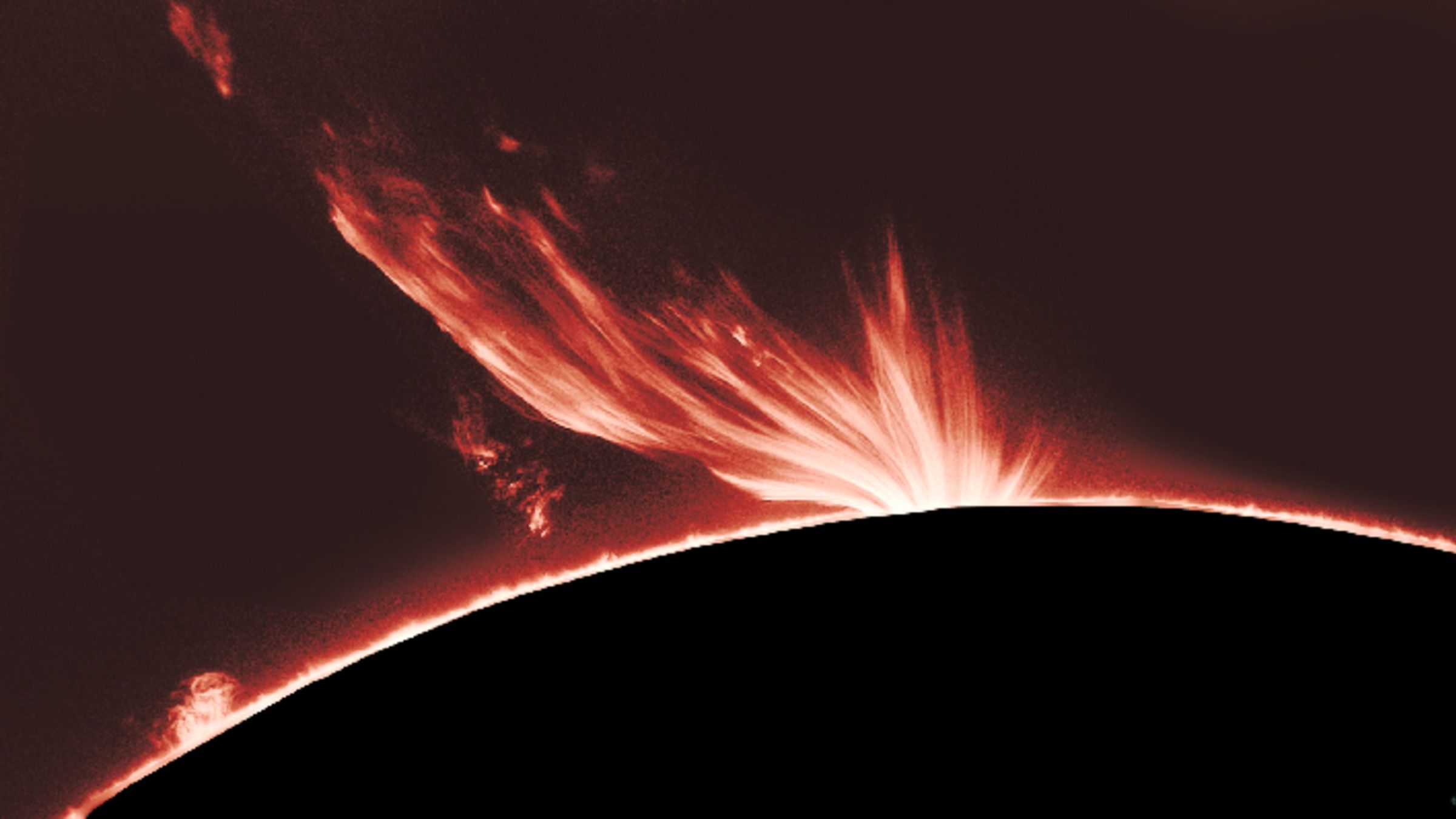
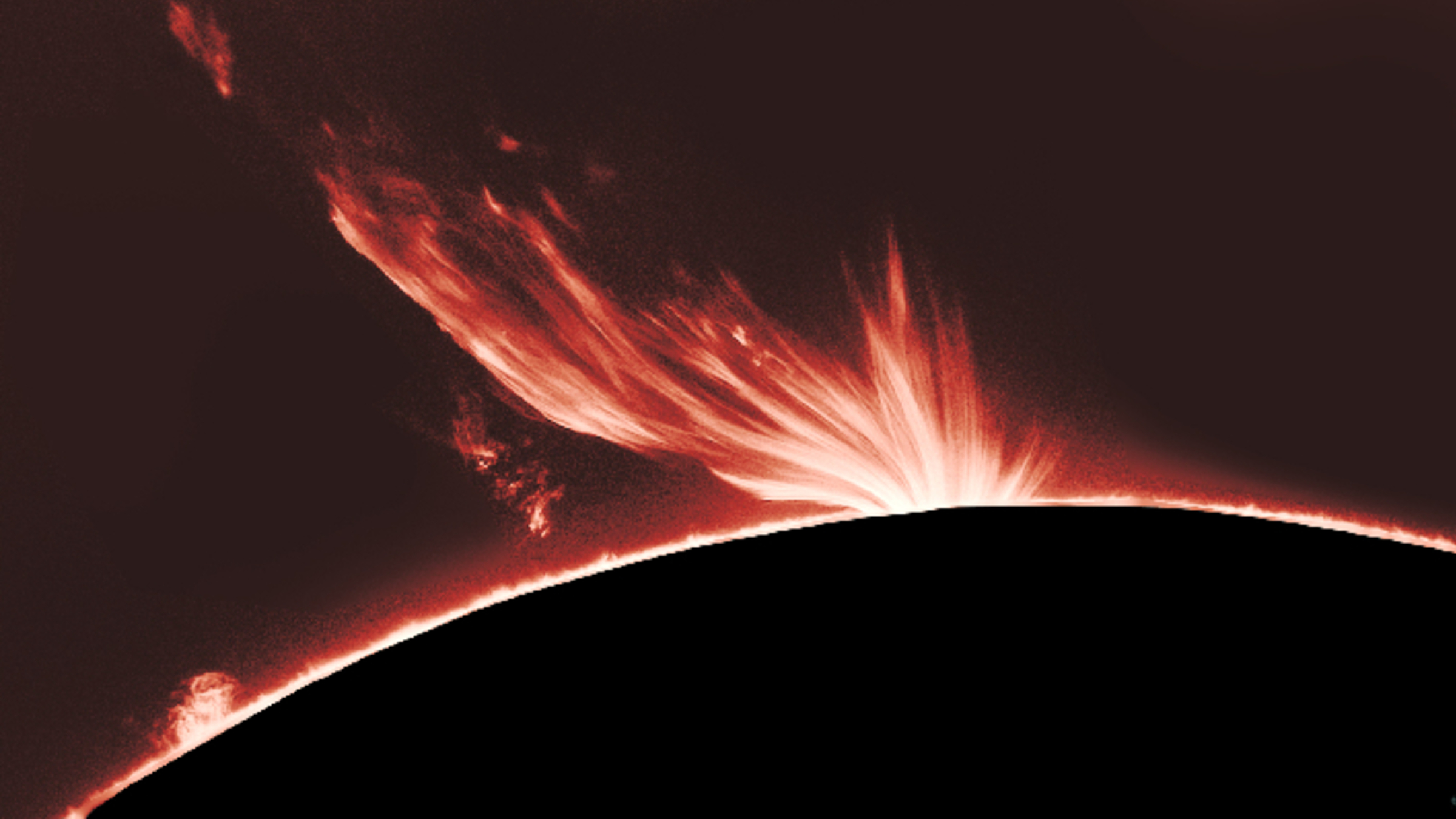
The sun has become hyperactive, firing off 10 M-class solar flares within a 24-hour period, accompanied by multiple coronal mass ejections (CMEs) that are expected to impact Earth on July 3 and July 5. This burst of solar activity, described by space weather physicist Tamitha Skov as a "machine-gun sun," could result in vibrant aurora displays across northern US states during the Independence Day weekend.
According to the National Oceanic and Atmospheric Administration's (NOAA) Space Weather Prediction Center, the incoming CMEs are predicted to deliver a glancing blow to Earth, triggering moderate (G2) geomagnetic storms. However, there is a possibility that these storms could strengthen to strong (G3) levels, depending on how the CMEs interact with Earth's magnetic field. A G3 storm would make auroras visible as far south as the northern parts of Washington, Idaho, Montana, Wyoming, North Dakota, South Dakota, Minnesota, Wisconsin, and Michigan.
Understanding Coronal Mass Ejections and Geomagnetic Storms
CMEs are large, fast-moving clouds of magnetized plasma and solar radiation that are occasionally flung into space during solar flares when kinks in the sun's magnetic field snap. When these CMEs collide with Earth, they disturb the planet's magnetic field, causing geomagnetic storms. These storms can lead to partial radio blackouts and produce vibrant aurora displays at lower latitudes than usual.
The current series of flares and CMEs originated from a highly active region on the sun. The rapid succession of eruptions has made it challenging for models to keep up, as noted by Skov in a July 2 post on X: "NOAA and NASA model predictions do not show all the storms yet (it's hard to keep up with the rapid-fire storm launches!) but the first should hit before noon July 3 UTC."

What to Expect This Weekend
The first CME is expected to arrive on July 3, with a second wave following on July 5. If the geomagnetic storms reach G3 strength, auroras could be visible in more than a dozen states, including northern parts of the US and possibly even further south. Skywatchers in these regions should look toward the northern horizon after dark for a chance to see the northern lights.
Space weather forecasters advise that the best viewing times are typically around midnight local time, away from city lights. While the aurora may be visible to the naked eye, using a camera with a long exposure can enhance the experience. The display could be especially fitting for Fourth of July celebrations, adding a natural light show to the holiday.
Potential Impacts on Technology
Geomagnetic storms of this magnitude can also affect technology. G2 storms may cause voltage fluctuations in power systems and minor disruptions to satellite operations. G3 storms can lead to more significant issues, including intermittent satellite navigation problems and high-frequency radio blackouts. However, these impacts are typically manageable and short-lived.
NOAA's Space Weather Prediction Center continues to monitor the situation and will provide updates as the CMEs approach Earth. For those interested in tracking the aurora, real-time alerts and forecasts are available through NOAA and other space weather services.

Conclusion
The Independence Day weekend offers a unique opportunity for many Americans to witness the northern lights, courtesy of the sun's recent explosive activity. As the "machine-gun sun" continues to fire, skywatchers across northern US states should keep an eye on the sky for a potential celestial show. Whether you're celebrating with fireworks or simply enjoying the night, the aurora could be an unforgettable addition to the holiday.
This article is based on reporting by Live Science. Read the original article.
Originally published on livescience.com