The Rise of ADHD Content on Social Media
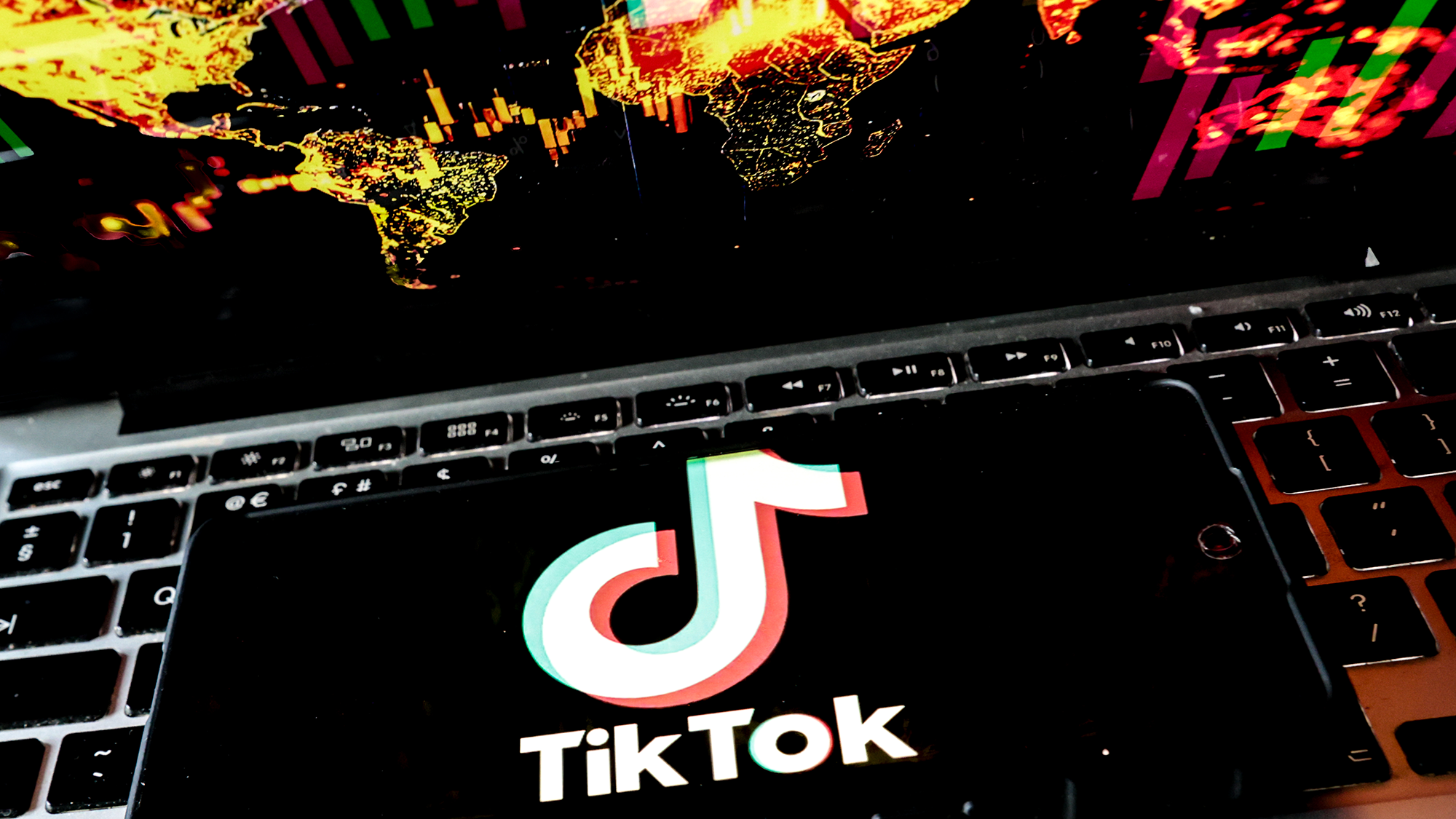
In recent years, social media platforms, particularly TikTok, have become hubs for discussions about mental health, including attention-deficit/hyperactivity disorder (ADHD). Creators share personal experiences, list symptoms, and offer advice, amassing millions of views. While this has helped reduce stigma and foster community, it has also raised concerns about the accuracy and impact of such content.
According to recent data, half of U.S. adults under 50 now obtain health and wellness information from podcasts or social media influencers. This shift in information consumption has profound implications for how people understand and manage their health. As Dr. Deborah Cohen, author of "Bad Influence: How the Internet Hijacked Our Health," notes, algorithms often push content that heightens concerns and may drive individuals away from traditional healthcare systems.
The Fine Line Between Awareness and Trivialization
ADHD is a complex neurodevelopmental disorder characterized by inattention, hyperactivity, and impulsivity. However, many of its symptoms exist on a spectrum within the general population. Identifying impairment and frequency, as defined by the Diagnostic and Statistical Manual of Mental Disorders (DSM), requires clinical judgment. Symptoms often overlap with anxiety, depression, and learning disabilities, making accurate diagnosis challenging.
On social media, this nuance is frequently lost. Viral videos list "common signs" of ADHD, often simplifying the condition into relatable quirks. For instance, UK DJ and radio host Megan McHugh went viral on TikTok with a video captioned "Six ADHD behaviour traits you might not have known about," citing overpromising and other behaviors as tell-tale signs. While such content can help individuals recognize potential symptoms, it also risks trivializing a serious condition.
The Danger of Self-Diagnosis
Self-diagnosis based on social media content is a growing concern. Many people watch these videos and identify with the symptoms, leading them to conclude they have ADHD without professional evaluation. This can be problematic because symptoms may be caused by other conditions, such as anxiety or depression. Misdiagnosis can lead to inappropriate treatment or delay in receiving proper care.
Responsible clinicians emphasize the importance of ruling out alternative explanations before diagnosing ADHD and prescribing medication. However, the ease of access to information online, combined with the persuasive nature of influencers, can lead individuals to bypass professional assessment.

The Role of Algorithms and Engagement
Social media algorithms are designed to maximize engagement, often prioritizing sensational or emotionally charged content. This can amplify extreme or oversimplified portrayals of ADHD. Content that lists "lesser known" symptoms or presents ADHD as a superpower tends to perform well, generating likes, shares, and comments. As a result, such content is more likely to be promoted by the platform, creating a feedback loop that rewards trivialization.
Dr. Cohen's investigation highlights how these algorithms can heighten concerns and potentially drive people away from traditional healthcare systems. Instead of seeking professional help, individuals may rely on social media for validation and advice, which can be misleading.
The Impact on Mental Health Care
The glamorization of ADHD on social media has broader implications for mental health care. On one hand, increased awareness can encourage more people to seek help. On the other, it can overwhelm healthcare systems with individuals who may not have ADHD but have been influenced by online content. This can lead to longer wait times and reduced access for those with genuine needs.
Moreover, the trivialization of ADHD can undermine the credibility of the condition. When ADHD is portrayed as a quirky personality trait rather than a debilitating disorder, it can minimize the struggles of those who live with it. This can affect public perception, funding for research, and support services.

Balancing Awareness and Accuracy
There is a fine line between reducing stigma and trivialising conditions. Social media has the power to educate and connect, but it also carries the risk of misinformation. Content creators have a responsibility to present accurate information and encourage professional consultation. Platforms, too, could play a role by promoting evidence-based content and providing resources for mental health support.
For individuals, it is crucial to approach online health information with skepticism and to seek professional guidance when concerned about symptoms. Self-diagnosis is not a substitute for a comprehensive evaluation by a qualified clinician.
Conclusion
The ADHD TikTok phenomenon reflects a broader trend of health information being shaped by social media. While it has opened up conversations and reduced stigma, it also poses risks of trivialization and self-diagnosis. As Dr. Cohen's work suggests, we must navigate this new landscape carefully, ensuring that awareness does not come at the cost of accuracy and that the reality of ADHD is not overshadowed by entertainment.
This article is based on reporting by Live Science. Read the original article.

Originally published on livescience.com