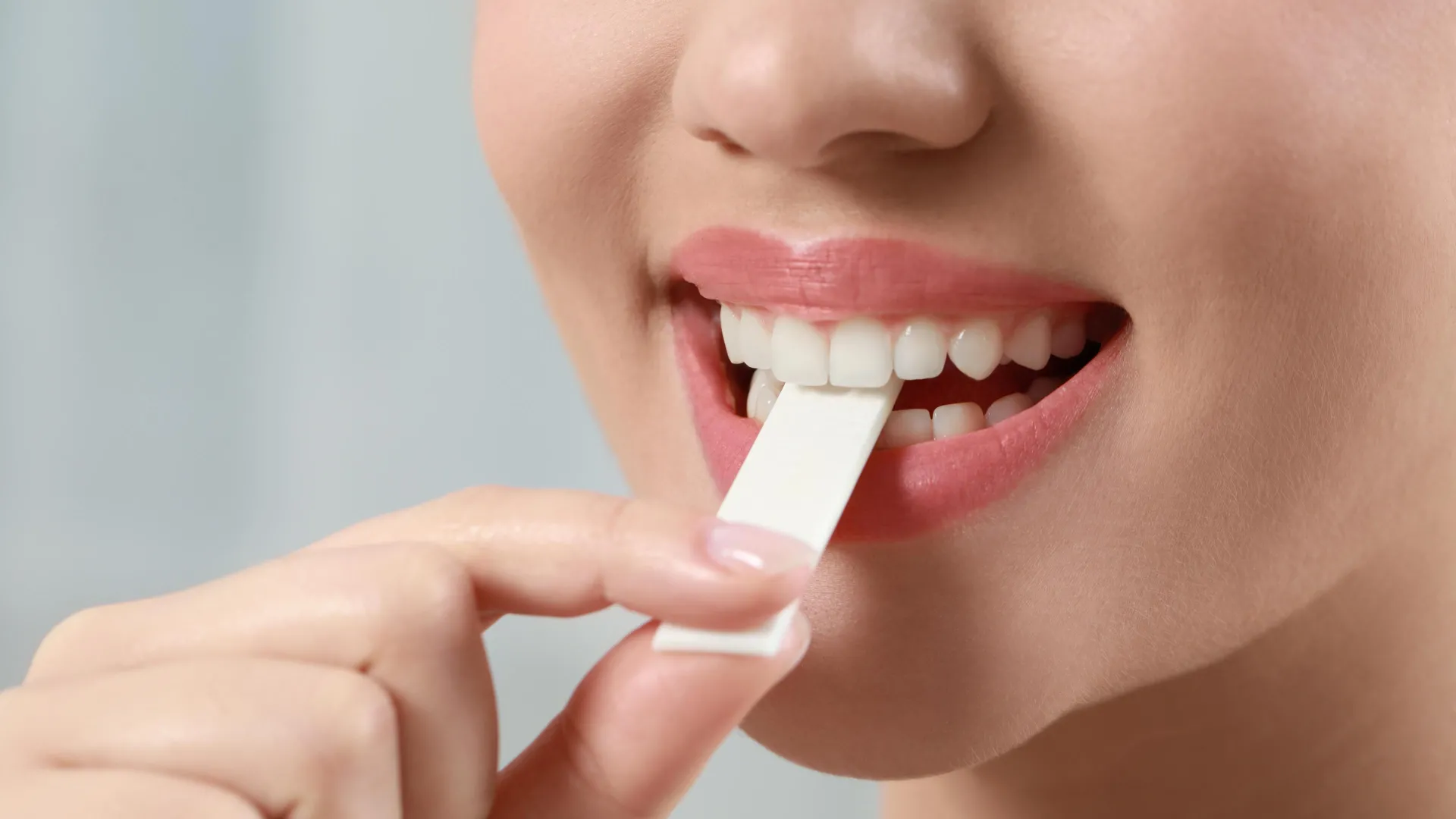
Bioengineered gum targets microbes linked to head and neck cancer
Researchers at the University of Pennsylvania have reported early evidence that a specially engineered chewing gum could help suppress microbes associated with head and neck cancer. In tests using oral samples from patients, the gum sharply reduced human papillomavirus, or HPV, and also targeted two bacterial species linked to worse outcomes in oral cancers.
The findings, published in Scientific Reports, point to a potential new therapeutic format that is simpler and potentially more affordable than many current cancer-related treatments. The work does not yet establish a new standard of care, but it does suggest that local antimicrobial delivery in the mouth may offer a useful way to address disease-linked pathogens while preserving beneficial oral bacteria.
Why researchers focused on HPV and oral bacteria
The study centered on head and neck squamous cell carcinoma, a common cancer that begins in tissues lining the mouth and throat. This form of cancer can be aggressive, and outcomes are often worse when it is detected at a later stage.
According to the research team, progress from recently approved cancer drugs has not always translated into major gains in quality of life or five-year survival. That has increased interest in complementary approaches that might work alongside surgery, drug treatment, and other established care pathways.
The researchers focused on three microbes associated with head and neck cancer: HPV, Porphyromonas gingivalis and Fusobacterium nucleatum. The study notes that HPV is tied to the global rise in oropharyngeal cancer, while infections involving the two bacterial species are associated with poorer survival in untreated recurrent or metastatic oral cancer, including after surgery and follow-up therapies.

How the gum was designed
The gum builds on earlier work involving bean gum made from lablab beans. That material contains FRIL, a naturally occurring antiviral protein. In the new study, researchers used oral samples from patients with head and neck squamous cell carcinoma to test how extracts from the gum affected the targeted microbes.
They also engineered the bean gum to contain protegrin, an antimicrobial peptide with the ability to kill bacteria. That combination was designed to do more than attack a virus alone. Instead, the aim was to build a platform that could simultaneously address multiple microbes implicated in disease progression.
This multi-target approach matters because the oral environment is complex. A therapy that wipes out broad swaths of microbes could create new problems by disrupting the normal microbiome. A more selective strategy could, in principle, reduce harmful organisms without causing the collateral damage often associated with blunt antimicrobial interventions.
What the tests found
The most striking result involved HPV. In saliva samples, extracts from the bean gum reduced HPV levels by 93%. In oral rinse samples, HPV levels fell by 80%.
The study also reported that the engineered gum nearly eliminated the two bacterial species of interest, Porphyromonas gingivalis and Fusobacterium nucleatum. Just as importantly, the treatment preserved beneficial mouth bacteria, a result that strengthens the case that the approach might be safer and more targeted than less selective antimicrobial methods.
Those findings are noteworthy because they suggest that the gum may be acting with a useful degree of specificity. In cancer-related supportive care, that distinction can be important. A treatment that reduces harmful microbes while maintaining healthier bacterial populations could be easier to tolerate and potentially more practical for repeated use.

What this could mean for treatment development
The study positions the gum as a possible route toward accessible local therapy. Chewing gum is a familiar delivery system, and one that naturally maintains contact with oral tissues and saliva. That makes it an appealing format for addressing pathogens in the mouth and throat, especially if it can be manufactured at lower cost than many advanced therapeutics.
For patients, a treatment like this could eventually fit into care in several ways: as a supportive intervention, as a preventive tool for high-risk settings, or as a supplement to more intensive cancer therapies. The research does not claim those clinical roles are already established, but it opens the door to future work aimed at testing them directly.
The affordability angle also stands out. Cancer treatment costs remain a major barrier in many health systems, and localized therapies built from relatively simple biological materials could offer a different development path. If later studies confirm effectiveness and safety in real-world use, this type of approach could become attractive not only for its biological activity, but also for its scalability.
Early-stage promise, not a finished therapy
Despite the strong lab results, the research remains an early-stage finding. The reported reductions were observed in tests using oral samples from patients, not in a full clinical demonstration that chewing the gum improves survival, prevents cancer, or replaces existing treatment. That distinction is essential.
Still, the work identifies a credible new direction. By combining antiviral and antimicrobial functions in a targeted oral delivery system, the researchers have shown that a simple format can produce substantial effects against microbes linked to head and neck cancer. The preservation of beneficial bacteria adds to the relevance of the result, because it suggests the method may avoid one of the common tradeoffs of broad microbial suppression.
For now, the study’s importance lies in proof of concept. It shows that a bioengineered chewing gum can materially reduce HPV and two harmful bacterial species in patient-derived oral samples. In a field where treatment advances have often been difficult and expensive, that alone is a meaningful signal worth following.
This article is based on reporting by Science Daily. Read the original article.

Originally published on sciencedaily.com