A handheld device that sends mild electrical pulses through the ear has shown an early, but limited, signal as a potential treatment for uncontrolled high blood pressure. In a 63-person clinical trial, the approach was safe, well tolerated and usable at home. It did not, however, beat a placebo device across the full study population.
The distinction matters. The study is not evidence that an ear-mounted device can replace established blood-pressure medicines. Its more cautious contribution is to identify a noninvasive technique worth testing further, particularly for people whose hypertension remains severe despite medication.
A neuromodulation approach
The treatment is called transcutaneous autonomic neuromodulation, or tAN. It is intended to influence the autonomic nervous system: the network that regulates involuntary functions including heart rate, digestion and blood pressure.
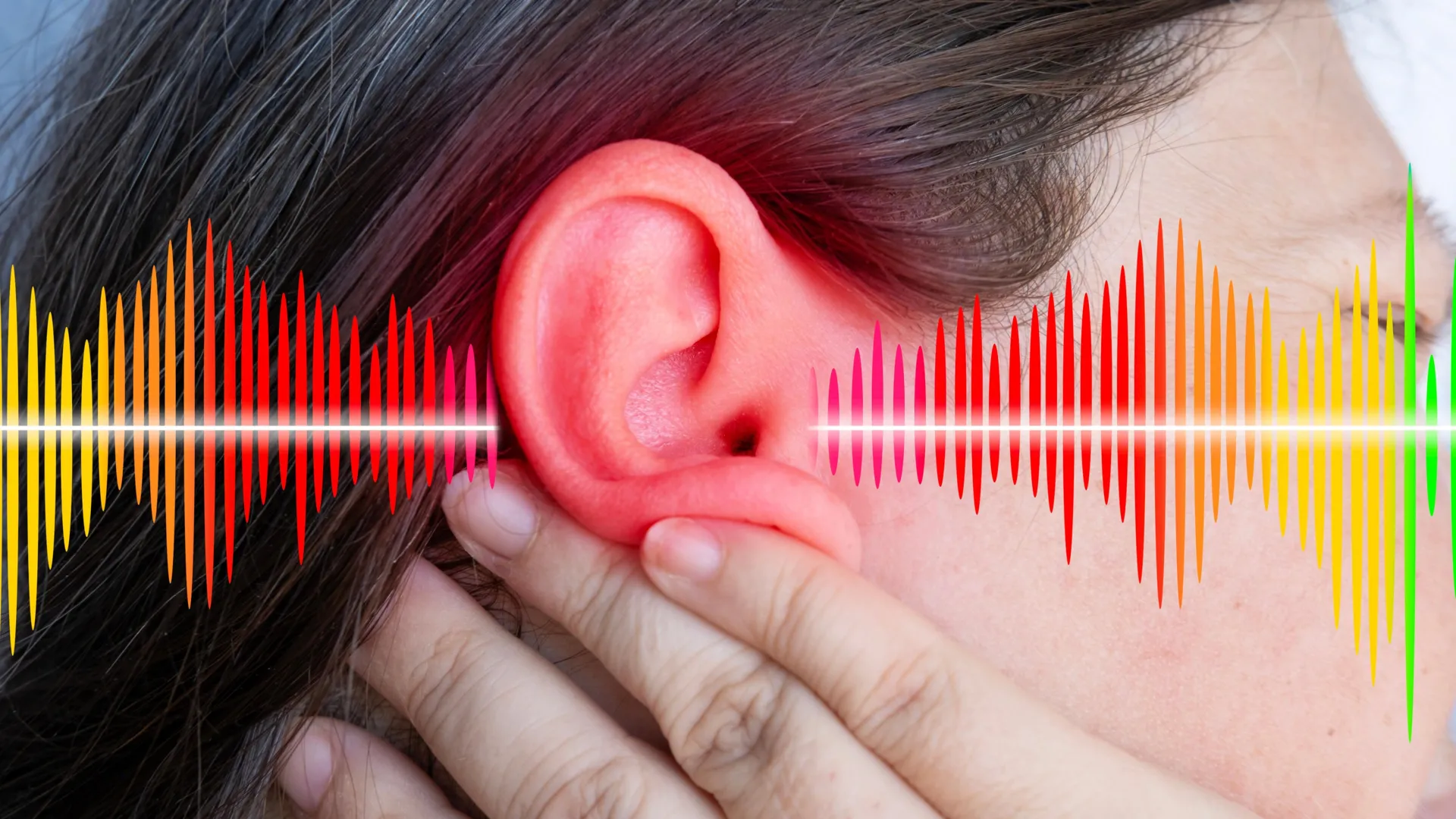
Participants used a handheld device with two small clips placed on the tragus, the cartilage flap in front of the ear canal. The clips deliver gentle electrical stimulation, allowing people to administer the intervention outside a clinic rather than through an implanted device or a hospital-based procedure.
The idea behind the technique is not that the ear itself controls blood pressure. Rather, researchers are seeking to use accessible nerves in the ear to affect physiological pathways involved in cardiovascular regulation. That makes it an example of bioelectronic medicine, where electrical stimulation is used to try to alter bodily processes.

What the trial found
The SCRATCH-HTN trial was led by researchers at Queen Mary University of London and funded by the UK National Institute for Health and Care Research. It enrolled 63 people with uncontrolled hypertension who were already taking medication.
Across all participants, the active treatment did not produce a statistically significant advantage over a placebo device in lowering blood pressure. That is the primary result and should frame any interpretation of the work.
Researchers nonetheless reported encouraging reductions among participants with more severe hypertension. The study was also designed to assess practical issues that often determine whether a new treatment has a viable path forward: whether people can use it at home, whether they tolerate it, and whether major safety concerns emerge. On those questions, the reported results were positive.
Those findings can support larger, more targeted studies. They cannot yet establish which patients would benefit, how large any benefit would be, or whether a device would improve long-term outcomes such as stroke, heart attack or kidney disease.
Why the subgroup finding needs caution
Signals in a subgroup can be scientifically useful, especially when a therapy may work differently depending on disease severity. But they are not the same as a confirmed clinical benefit. A small trial can be affected by normal variation between participants, and a result observed in one subset may not persist when tested in a larger population.
That is why the researchers emphasize the need for further trials. Future studies will need enough participants to distinguish a genuine effect from chance, compare the intervention with a convincing sham treatment, and define in advance which patient groups are expected to respond. They will also need to determine how the approach fits alongside medication rather than assuming it is a substitute.

A possible tool, not a replacement
For now, the most defensible conclusion is narrow: noninvasive ear stimulation appears feasible to study in people with uncontrolled hypertension, and it may warrant further investigation in severe cases. The full trial result did not show superior blood-pressure reduction across all participants.
That balance is especially important in hypertension, where effective treatments already exist but control can remain difficult. A practical home-based adjunct could eventually be valuable if it proves effective in rigorous trials. Until then, the SCRATCH-HTN findings are a starting point for research rather than a change in care.
Key points
- The 63-participant SCRATCH-HTN trial tested a home-use ear-stimulation device in people taking medication for uncontrolled hypertension.
- The intervention was reported as safe, well tolerated and practical for home use.
- It did not significantly outperform a placebo device across all participants.
- Researchers observed a potentially promising signal in people with more severe hypertension, which requires confirmation in larger trials.
This article is based on reporting by Science Daily. Read the original article.
Originally published on sciencedaily.com