Fresh magma appears to be accumulating beneath Japan’s Kikai caldera, a mostly underwater volcanic system that produced a massive eruption about 7,300 years ago. Researchers at Kobe University used underwater seismic surveys to identify evidence of a large magma store, providing a rare view of how a giant caldera may rebuild its magma supply after a catastrophic event.
The finding does not amount to a forecast of an imminent eruption. Instead, it addresses a longer-term scientific question: how do volcanic systems capable of the largest eruptions on Earth replenish the extraordinary volumes of magma needed to erupt again? Scientists have only limited information about that process, which makes it difficult to recognize the conditions that precede renewed activity at giant calderas.
Kikai is one of the best places to study the problem. Much of the caldera lies beneath the ocean, south of Japan, and its giant eruption around 7,300 years ago is described as the largest known eruption of the Holocene, the geological epoch that began about 11,700 years ago. The new evidence suggests that magma has accumulated beneath the site since that ancient event.
A window into a rebuilding volcanic system
Large explosive eruptions can release such enormous quantities of magma that the ground above an emptied reservoir collapses. The resulting broad, relatively shallow depression is known as a caldera. Kikai, Yellowstone in the United States and Toba in Indonesia are among the well-known examples of volcanic systems associated with this kind of extreme activity.
Understanding how such systems recover after a major eruption is not simple. The amount of magma involved is immense, and scientists do not yet have a complete picture of how it is supplied, stored and changed underground over thousands of years. That uncertainty is one reason why it remains hard to anticipate whether or when a major caldera could erupt again.
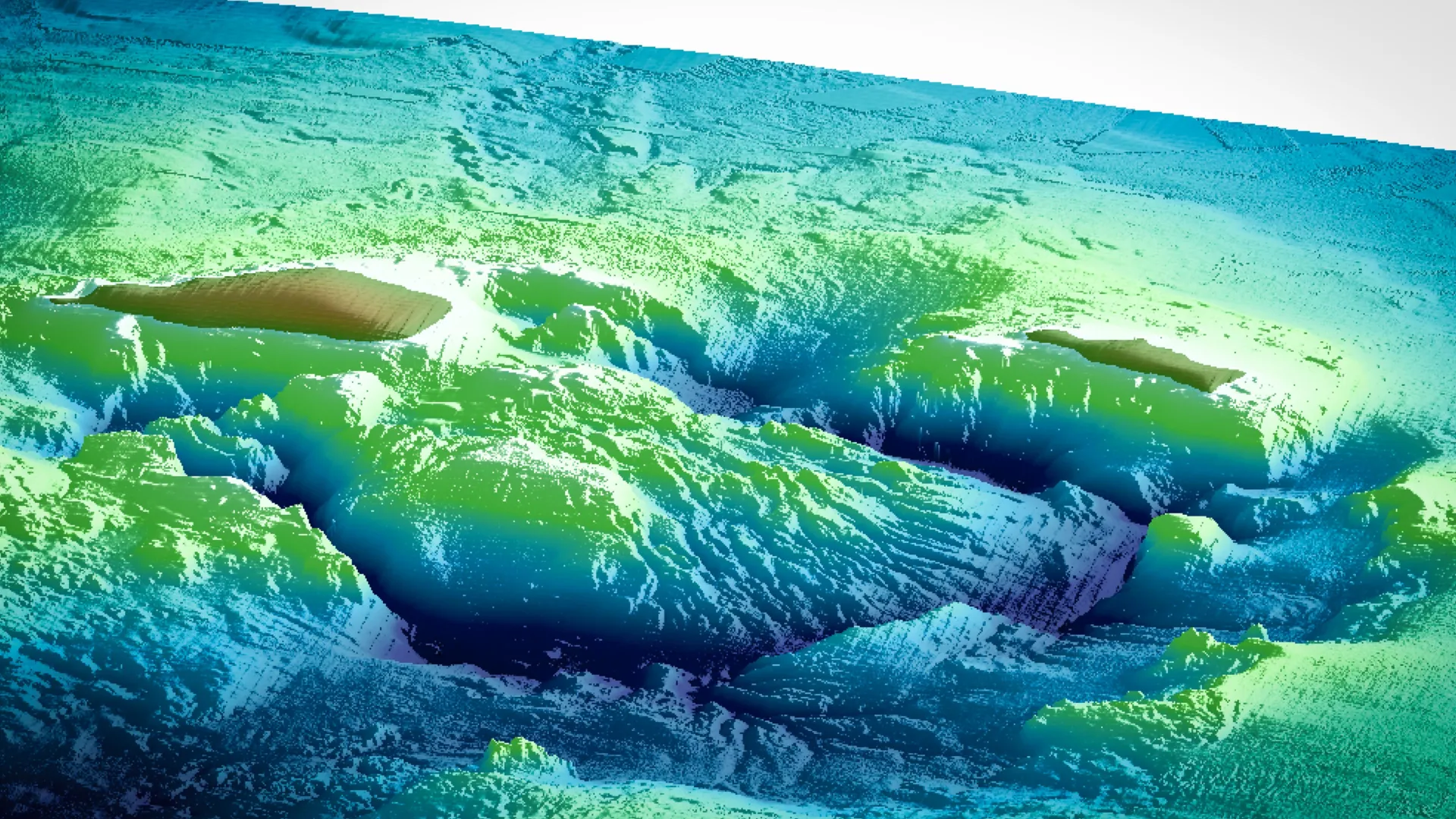
The Kobe University work uses seismic observations collected beneath the sea to investigate the subsurface structure at Kikai. Seismic surveys use sound waves and their reflections or behavior through rock to reveal features that cannot be seen directly. In this case, the observations point to a substantial store of fresh magma beneath the caldera.

What the discovery does and does not show
The study’s central result is evidence that magma is rebuilding below Kikai. It is significant because direct evidence of replenishment following one of the Holocene’s largest eruptions offers a valuable case study for volcanology. It may help researchers test ideas about how giant magma systems develop after a caldera-forming eruption.
But magma accumulation alone is not a timetable. The supplied report emphasizes that scientists still know little about the processes that lead to a re-eruption of supervolcanoes and are therefore poorly equipped to make predictions. The research should not be read as a warning that Kikai is about to repeat its ancient eruption.
Rather, it provides information that may improve future attempts to distinguish ordinary underground change from conditions that could matter for volcanic hazard assessment. Long-lived volcanic systems can evolve over very different timescales, and the route from replenishing magma to an eruption involves processes that are not yet fully understood.
Why Kikai matters beyond Japan
Kikai’s history makes it a natural laboratory for questions with implications well beyond the Japanese archipelago. The system allows researchers to examine how a volcano rebuilds after a very large eruption, then compare those observations with other calderas. Yellowstone and Toba are often cited alongside Kikai because all are examples of the immense volcanic systems scientists want to understand more clearly.
The research could therefore contribute to a broader effort to identify the signs of magma accumulation in large caldera settings. Better knowledge of where magma is located, how much may be present and how it changes through time could improve the scientific basis for monitoring. It would not remove uncertainty, but it could make future observations more informative.
The study also underlines the value of marine geophysical research. Much of Kikai is underwater, placing important parts of the volcanic system beyond the reach of land-based observation alone. Underwater seismic work can help fill that gap by mapping structures beneath the seafloor and illuminating processes that would otherwise remain hidden.

From discovery to preparedness
Volcanic science rarely turns a single measurement into a definitive risk assessment. Monitoring and interpretation depend on multiple lines of evidence, and the available source material does not claim that this study has solved the prediction challenge. Its importance lies in adding a new observation to the sparse record of how giant calderas behave after an extreme eruption.
That matters because the consequences of major eruptions can be profound, while the underlying systems are difficult to study. A clearer account of magma replenishment can help researchers develop better questions for future surveys and monitoring programs. Over time, comparisons among Kikai and other calderas may reveal which underground changes are most useful to track.
For now, the fresh magma found beneath Kikai is a scientific clue about a process unfolding over millennia. It shows that the caldera did not remain simply emptied after its Holocene eruption. Instead, it appears to be rebuilding part of the underground reservoir that powered one of Earth’s most consequential volcanic events, offering researchers an opportunity to study the long recovery of a giant volcanic system.
This article is based on reporting by Science Daily. Read the original article.
Originally published on sciencedaily.com