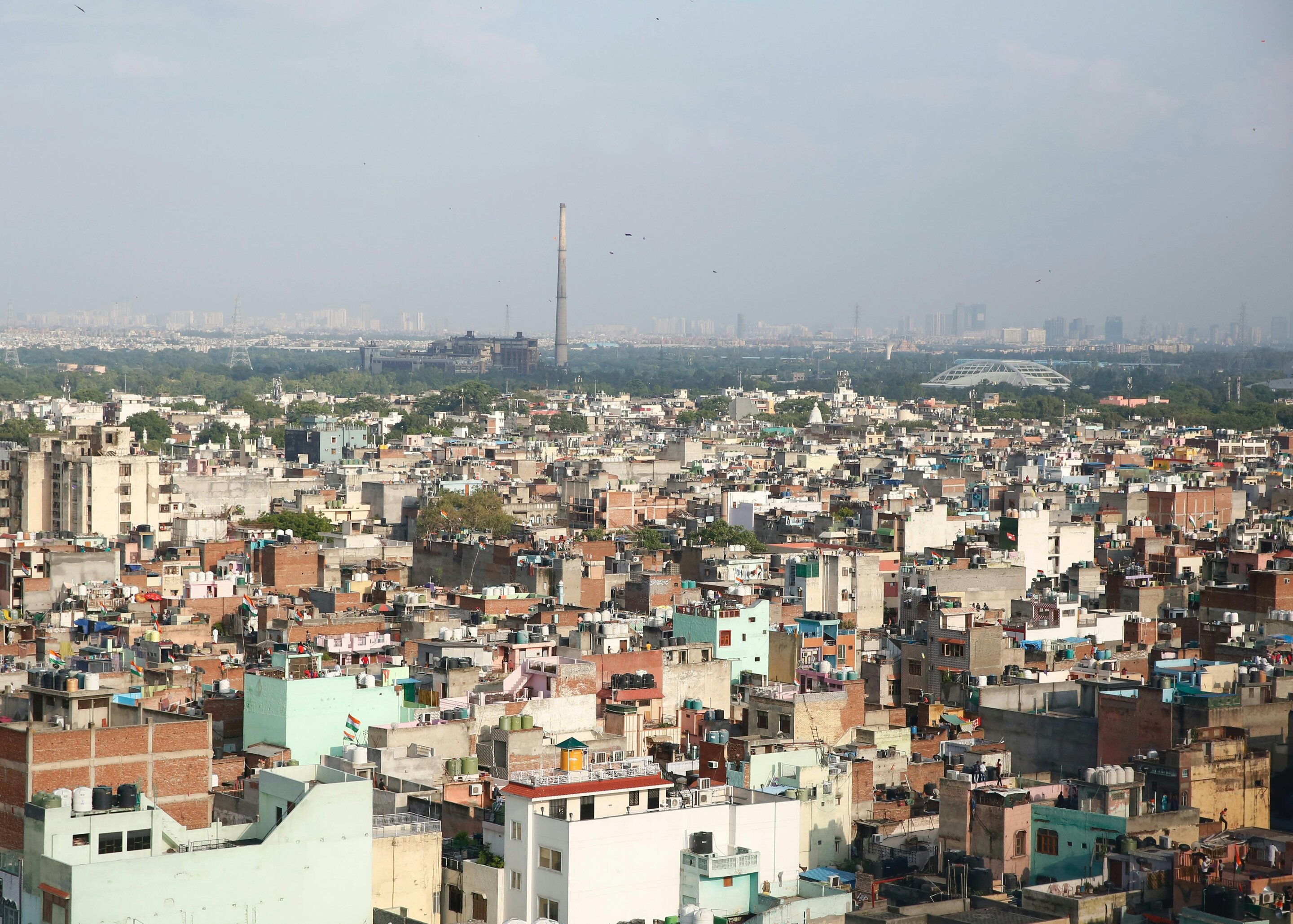
Delhi begins its seasonal pollution response
India has begun annual measures to curb toxic air pollution in New Delhi ahead of the winter period, when the city's air quality typically deteriorates sharply. The Delhi government has banned open garbage burning and ordered food stalls to stop using coal or firewood, according to an AFP report published by Phys.org.
More restrictions are scheduled to take effect on November 1. They include doubled parking fees, work-from-home arrangements for government office staff and tighter rules for construction activity. A complete ban on construction and demolition is planned from December 10 through January 20.
Winter conditions trap pollution
Delhi's air pollution becomes more severe in winter because cooler air traps pollutants closer to the ground. The report identifies coal-fired power plants, vehicle traffic, construction activity and farm-stubble burning in neighboring areas as major sources.
Monitors recorded particulate pollution at 233 micrograms per cubic meter early Thursday. That was about 15 times the World Health Organization's recommended daily maximum, according to the report. The Commission for Air Quality Management forecast that air quality would remain poor in the coming days.
In prior winters, PM2.5 levels have exceeded 300 micrograms per cubic meter, or roughly 20 times the WHO recommended daily maximum. The report says pollution peaked at 846 micrograms per cubic meter last year, 56 times that limit.

Measures build toward the worst months
The new restrictions are being introduced in stages before pollution usually peaks from November through January. The immediate ban on open garbage burning targets one source of smoke, while the requirement for food stalls to stop using coal or firewood is aimed at reducing combustion emissions.
From November, the planned increase in parking fees and remote-work arrangements for government staff are intended to reduce traffic emissions. Construction restrictions will tighten at the same time, followed by the seasonal construction and demolition ban.
The measures show the breadth of sectors involved in Delhi's pollution problem: transportation, building activity, commercial fuel use, industry and emissions that travel from surrounding areas. But the report notes that previous years' measures have failed to prevent severe pollution episodes.
Health consequences remain central
Fine particulate matter known as PM2.5 is small enough to be inhaled deeply into the lungs and is associated with serious health risks. The report characterizes the particles measured in Delhi as cancer-causing.
A 2024 study in The Lancet Planetary Health estimated that 3.8 million deaths in India between 2009 and 2019 were linked to pollution levels that exceeded the country's own air-quality guidelines. The United Nations children's agency has also warned that polluted air puts children at increased risk of acute respiratory infections.
- Delhi has banned open garbage burning and coal- or wood-fired cooking at food stalls.
- Parking fees, remote work for government staff and tighter construction rules begin November 1.
- A construction and demolition ban is scheduled from December 10 to January 20.
- Officials expect air quality to remain poor in the near term.

A recurring test for policy
Delhi's winter measures are a response to a recurring environmental and health emergency rather than a one-time event. The seasonal plan attempts to reduce local emissions before atmospheric conditions make them harder to disperse.
The scale of the problem means the result will depend not only on announced restrictions, but also on implementation and emissions from the multiple sources cited in the report. With particulate readings already far above the WHO reference level, the coming winter will again test whether the city can limit the intensity and duration of its smog season.
This article is based on reporting by Phys.org. Read the original article.
Originally published on phys.org