Drying-out phase of airborne tuberculosis may help the pathogen evolve
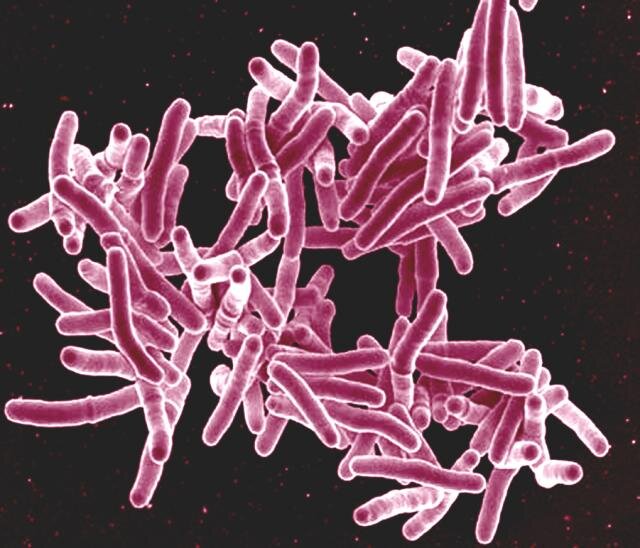
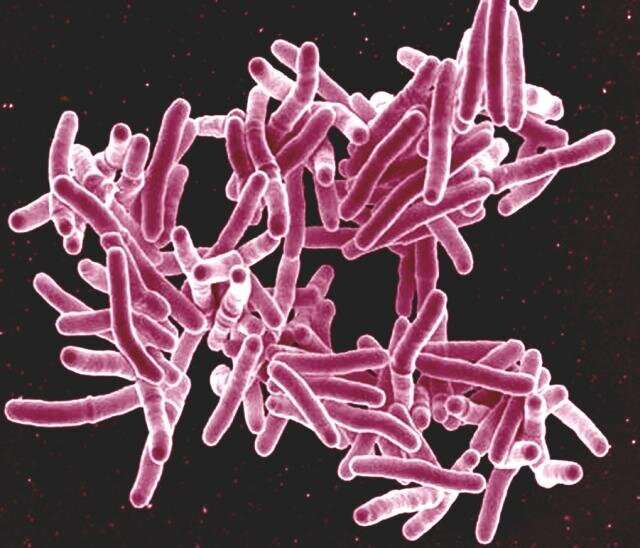
Tuberculosis is already one of the world’s deadliest infectious diseases, and new research suggests one of its most dangerous traits may emerge during a stage that has been relatively understudied: the time spent suspended in air between one person and the next. In work highlighted by Weill Cornell Medicine and published in Nature Microbiology, investigators found that Mycobacterium tuberculosis can do more than simply survive as respiratory droplets dry out. The process of desiccation appears to trigger stress responses that help the bacterium endure the journey and, in some cases, acquire mutations associated with antibiotic resistance.
That finding matters because tuberculosis transmission is usually framed as a mechanical process. An infected person coughs, speaks, or breathes, droplets carrying bacteria enter the air, those droplets evaporate into smaller particles, and another person inhales them. The new study argues that the drying stage is not biologically passive. Instead, it may be a period when the pathogen is damaged, adapts, and potentially emerges harder to treat.
The stakes are high. According to the source material, tuberculosis affects nearly 11 million people globally and causes roughly 1.2 million deaths each year. Any insight into how the pathogen survives transmission, and how resistance can arise, has implications well beyond basic microbiology. It touches infection control, drug development, and the long-running effort to contain resistant TB strains.
What the researchers found
The team used laboratory conditions designed to mimic the drying and rehydration cycle that tuberculosis bacteria experience after leaving an infected person’s lungs. Under those conditions, desiccation caused oxidative stress in the bacteria, which in turn led to DNA damage. In response, the pathogen activated DNA repair mechanisms that supported survival.
That survival response came with a downside. The same repair activity was linked to an increased appearance of mutations that made the bacteria resistant to rifampin, a frontline antibiotic used in tuberculosis treatment. In other words, the period when the bacteria are drying out may both help them stay viable and raise the odds that some emerge with traits that make treatment more difficult.
This is a significant shift in emphasis. Drug resistance is often discussed in the context of incomplete treatment, improper antibiotic use, or selective pressure within infected patients. Those remain central concerns. But this study suggests the transmission phase itself may also contribute to the resistance problem by creating a stressful environment that damages bacterial DNA and sets repair processes in motion.
Senior author Dr. Kyu Rhee said the findings shed light on an understudied stage of the tuberculosis life cycle and could help inform strategies to interrupt transmission and combat drug resistance. That framing is important: the study does not just add another detail about bacterial stress biology. It identifies a moment in TB’s spread where intervention may be possible.

A possible drug target emerges
The research also points to a specific molecular target. The investigators identified reduced activity of a DNA repair gene called Mfd as a way to impair the survival of drug-resistant tuberculosis bacteria. That makes Mfd a potentially attractive target for future therapies aimed at weakening the bacterium during or after transmission-related stress.
The appeal of that approach is straightforward. If tuberculosis depends on a repair system to recover from drying-induced damage, then disrupting that system could make it less likely to survive airborne spread or persist after it acquires harmful mutations. It could also complement conventional antibiotic strategies by targeting a survival mechanism rather than the same pathways attacked by existing drugs.
There is still a gap between identifying a promising target and building a usable therapy. The source text does not claim that an Mfd-targeting treatment already exists or that clinical testing is underway. What it does support is a narrower and still meaningful conclusion: the gene appears to matter for the survival of resistant TB bacteria, and that makes it a candidate for future intervention.
Why this changes the transmission picture
The airborne phase of tuberculosis has long been recognized as essential to the disease’s spread, but it has been difficult to study in detail. Once droplets evaporate into tiny droplet nuclei, they can remain suspended long enough to be inhaled by others. The new work suggests that this transformation is not just a physical change in particle size. It is also a biochemical stress event for the pathogen.
That matters for two reasons. First, it reinforces the idea that interrupting transmission is not merely about blocking movement through the air. Environmental conditions may shape what survives that journey. Second, it suggests that the bacteria reaching a new host may not be identical, in evolutionary terms, to the bacteria that left the previous host. If mutations linked to resistance can arise during this interval, then transmission itself becomes part of the evolutionary story.
For public health, that does not overturn existing tuberculosis control measures. Ventilation, masking in high-risk settings, rapid diagnosis, and effective treatment remain core tools. But the study adds depth to the rationale for stopping airborne spread as early as possible. Every interrupted transmission event may not only prevent infection, but also reduce opportunities for the pathogen to pass through a stress-induced mutational bottleneck.

What to watch next
The most immediate impact of the study is conceptual. It broadens how researchers and clinicians may think about the tuberculosis life cycle by treating the airborne stage as biologically active rather than incidental. That could influence future experiments on how different environmental conditions affect bacterial survival, mutation rates, and infectiousness.
It also creates a clearer agenda for therapeutic research. If DNA repair pathways such as those involving Mfd help tuberculosis survive desiccation and maintain resistant populations, then those pathways deserve closer scrutiny as drug targets. Any eventual therapy would need to prove that it can selectively weaken the pathogen without introducing new resistance problems of its own, but the target now has a stronger rationale.
More broadly, the work is a reminder that pathogens can exploit transitional states that medicine has not always treated as central. For tuberculosis, the air between people may be one of those states. The new findings suggest that the pathogen’s time outside the body is not dead time. It may be a critical window when survival, adaptation, and resistance are being shaped in real time.
- Tuberculosis bacteria experienced oxidative stress and DNA damage during drying in lab-simulated transmission conditions.
- The DNA repair response promoted survival and increased mutations associated with rifampin resistance.
- Reducing activity of the DNA repair gene Mfd impaired survival of drug-resistant TB bacteria.
- The study suggests airborne transmission may be an active evolutionary phase, not just passive movement between hosts.
This article is based on reporting by Phys.org. Read the original article.
Originally published on phys.org