A missing step in a long-running cancer question
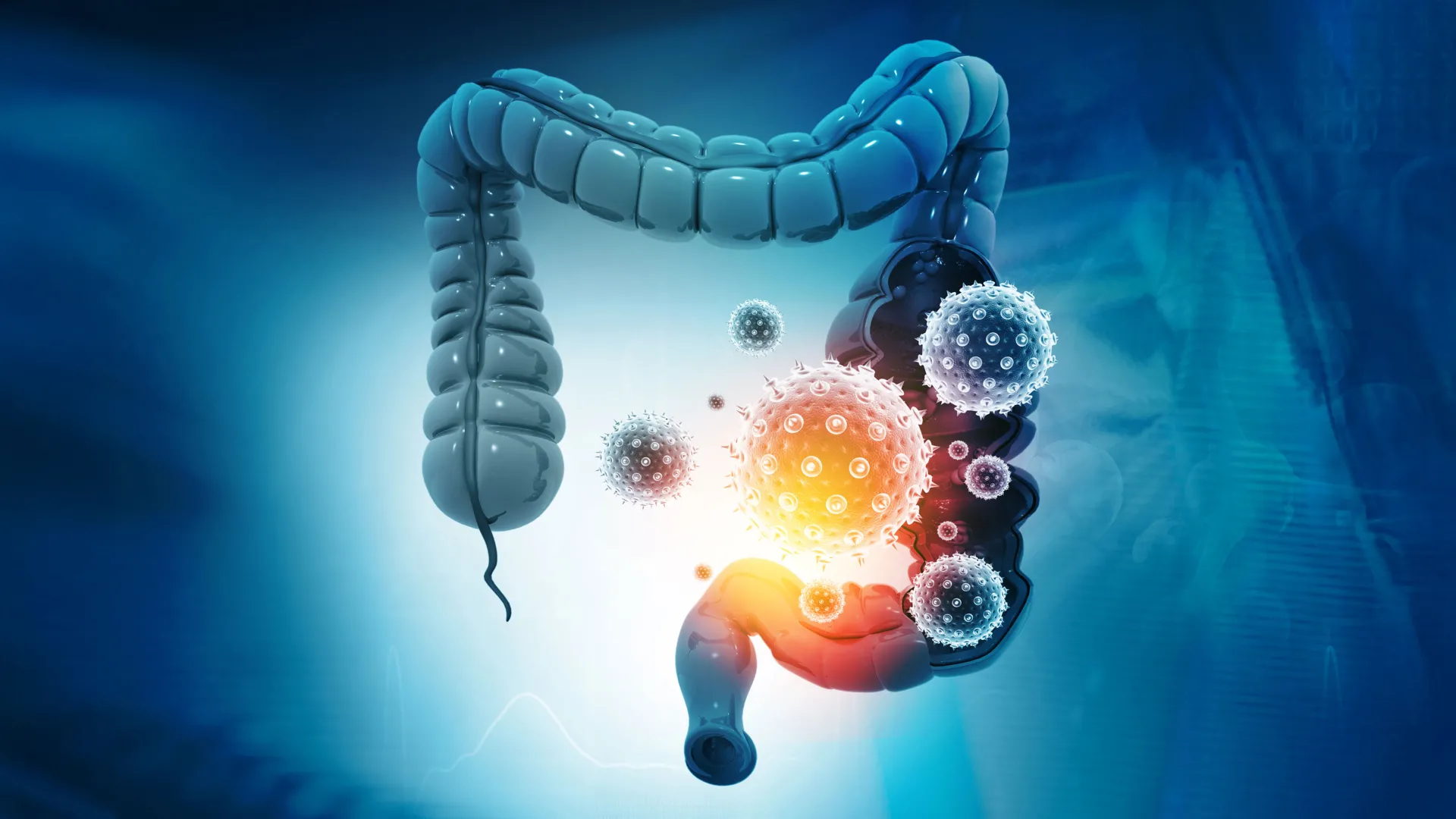
Researchers at Johns Hopkins have identified how a toxin produced by certain strains of the common gut bacterium Bacteroides fragilis attaches to cells in the colon. The work identifies claudin-4 as the essential docking point for the toxin, known as B. fragilis toxin, or BFT.
The discovery addresses a question that has persisted for nearly two decades. Scientists had known that some strains of the bacterium make a toxin capable of damaging the colon’s protective lining, driving inflammation and promoting tumor formation. What remained unclear was how the toxin began that process at the cellular surface.
The findings were published in Nature by a team from the Johns Hopkins Kimmel Cancer Center, the Bloomberg~Kimmel Institute for Cancer Immunotherapy and the Johns Hopkins University School of Medicine.
Why the receptor matters
Bacteroides fragilis can be present in the intestines of up to 20% of healthy people, according to the researchers. Its presence alone does not mean a person will develop cancer. The concern centers on toxin-producing strains and the damage their BFT can cause to the colon’s protective barrier.
By identifying claudin-4 as the protein the toxin uses to dock with intestinal cells, the study provides a clearer molecular explanation for the first stage of the harmful interaction. That creates a target for research aimed at blocking the toxin before it disrupts the lining and triggers downstream inflammation.
The result is also relevant beyond colorectal cancer. The researchers said that understanding the mechanism could inform approaches to associated diseases that include diarrhea and bloodstream infections.

A molecular decoy protects mice
The Johns Hopkins team used the receptor finding to develop a molecular decoy intended to intercept BFT before it reaches colon cells. In mice, the approach protected against the toxin’s harmful effects.
That result is an important proof of principle, but it is not a human prevention or treatment. The supplied research summary describes protection in mice and does not establish that the decoy is safe or effective in people. Further work will be required to determine whether a similar strategy can be developed for clinical use.
From mechanism to possible intervention
Colorectal cancer develops through many biological and environmental pathways, and the study does not imply that a single bacterium explains all cases. Instead, it clarifies one specific mechanism through which toxin-producing B. fragilis may contribute to disease-associated damage.
The advance could support future research in several directions: detecting harmful toxin interactions, studying susceptibility in the intestinal lining and designing therapies that neutralize BFT. The most immediate contribution is a more precise map of how the toxin begins its attack.
For cancer and microbiome research, that precision matters. Linking a microbial toxin to its required cell-surface receptor gives researchers a defined point at which a damaging process may be interrupted—while preserving the distinction between a promising preclinical finding and a demonstrated human therapy.
This article is based on reporting by Science Daily. Read the original article.

Originally published on sciencedaily.com