A cheap telescope can open the sky, but not without limits
For many people, the hardest step in amateur astronomy is not learning the night sky. It is buying the first instrument without wasting money on something frustrating or underpowered. A new Live Science review of the Celestron AstroMaster LT 70AZ offers a useful look at that entry point, portraying the telescope as a genuinely accessible beginner option while also making clear how quickly budget hardware can start to feel restrictive.
The review’s verdict is measured rather than enthusiastic. The AstroMaster LT 70AZ is described as a decent, affordable starting telescope, particularly for people interested in the Moon and planets, but not something likely to satisfy users for very long. That framing captures a broader truth about entry-level astronomy gear: lowering the barrier to access usually means accepting tradeoffs in stability, controls, and deep-sky performance.
What the telescope offers
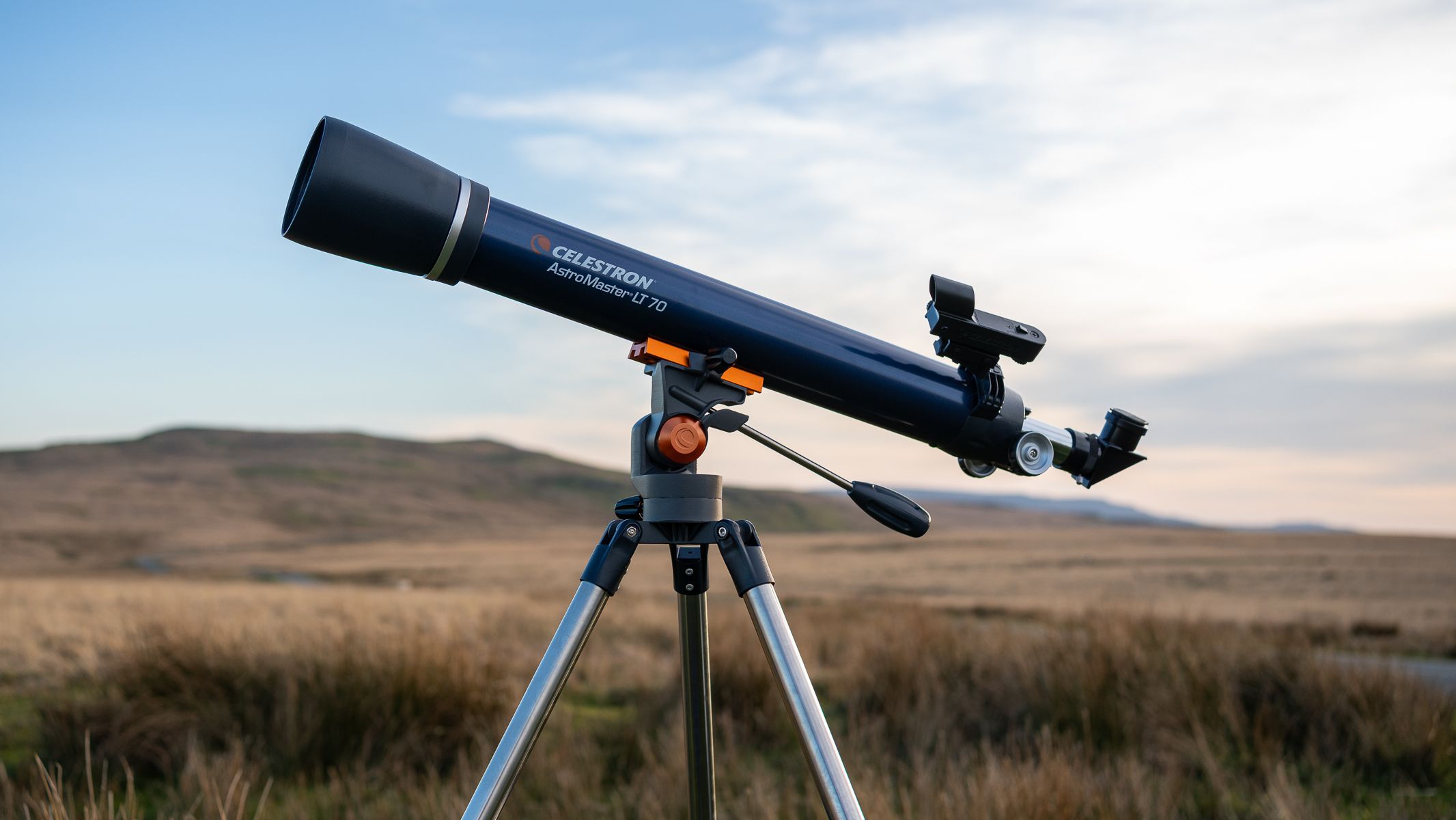
According to the supplied source text, the AstroMaster LT 70AZ is a 70 mm refractor with a 900 mm focal length and an f/13 focal ratio. It ships with 10 mm and 20 mm eyepieces, providing 90x and 45x magnification respectively, and the full kit weighs 10.8 pounds. The mount is an alt-azimuth design that moves up, down, left, and right using a single handle.
The core advantages are straightforward. The telescope is small, portable, and quick to set up without tools. The review says it is clearly designed for beginners and not intimidating for users who have never operated a telescope before. That matters because complexity can easily stop newcomers before they ever get to their first useful view.
The reviewer also notes a meaningful optical distinction versus the related StarSense Explorer LT 70AZ: although the two are similar, the AstroMaster’s longer focal length gives it an edge in planetary viewing. For a budget telescope, that is important because the Moon and bright planets are usually where early excitement comes from.

Where the compromises appear
The problem is not that the AstroMaster fails at its intended purpose. The problem is that its limits show up quickly. The supplied source text points to a mount that is not especially steady, with no tracking or slow-motion controls. Those are not minor omissions. In practical use, stability and fine movement often determine whether observing feels satisfying or fussy, especially at higher magnification.
The review also says the telescope is not suitable for deep-sky viewing and is easy to outgrow. That is a predictable consequence of the aperture and the overall package. Entry-level refractors can provide rewarding views of bright targets, but once users want more from nebulae, galaxies, and star clusters, they often need more light-gathering power and better mounting.
This is where beginner astronomy products frequently run into a tension in the market. Manufacturers need a low price and a low learning curve to attract new users. But if the hardware makes tracking difficult or limits what can be seen beyond a few bright objects, beginners can mistake the instrument’s limits for the hobby’s limits.
Why reviews like this matter
Although product reviews are not major science news, they do serve a useful function in the broader astronomy ecosystem. Telescopes are often the gateway technology through which public interest becomes sustained participation. A clear review helps set expectations and can spare new hobbyists from either overspending or buying equipment that overpromises.
What stands out in this review is its refusal to oversell. The AstroMaster LT 70AZ is presented as an affordable, beginner-friendly telescope that makes lunar and planetary observation accessible, not as a forever instrument. That honesty is valuable in a market crowded with starter scopes that often trade heavily on aspiration.
- The telescope is a 70 mm refractor with a 900 mm focal length and an f/13 focal ratio.
- It is praised for portability, simple setup, and beginner-friendly handling.
- The review says it performs well for Moon and planet viewing.
- Its weak points include an unsteady mount, no tracking, and limited deep-sky capability.

The bigger lesson for new observers
The AstroMaster LT 70AZ seems to do what a first telescope should do: get people outside, pointed upward, and able to see recognizable celestial targets without a punishing setup process. But the review also underlines how quickly serious observing demands better hardware. For newcomers, that is the real takeaway. Budget telescopes can be excellent entry points, but they work best when purchased with a clear understanding of what they are for. In this case, that means simple, affordable access to the Moon and planets, not an all-purpose route into the full depth of the night sky.
This article is based on reporting by Live Science. Read the original article.
Originally published on livescience.com