DNA evidence narrows the picture of one early Montreal cemetery
Ancient DNA recovered from people buried in a historic Montreal cemetery is challenging a widely repeated story about ancestry in early Quebec. Researchers who analyzed remains from Notre-Dame Cemetery reported that all 45 sampled individuals had French European ancestry, with no sign of recent Indigenous or African admixture.
The findings were published Oct. 5 in the journal PNAS, according to the study’s authors. They apply to the people represented in this cemetery sample, not to every person living in early Montreal or to all families in Quebec. But the results add new evidence to a debate over who was buried in the colonial-era site and what those burials can reveal about the city’s social history.
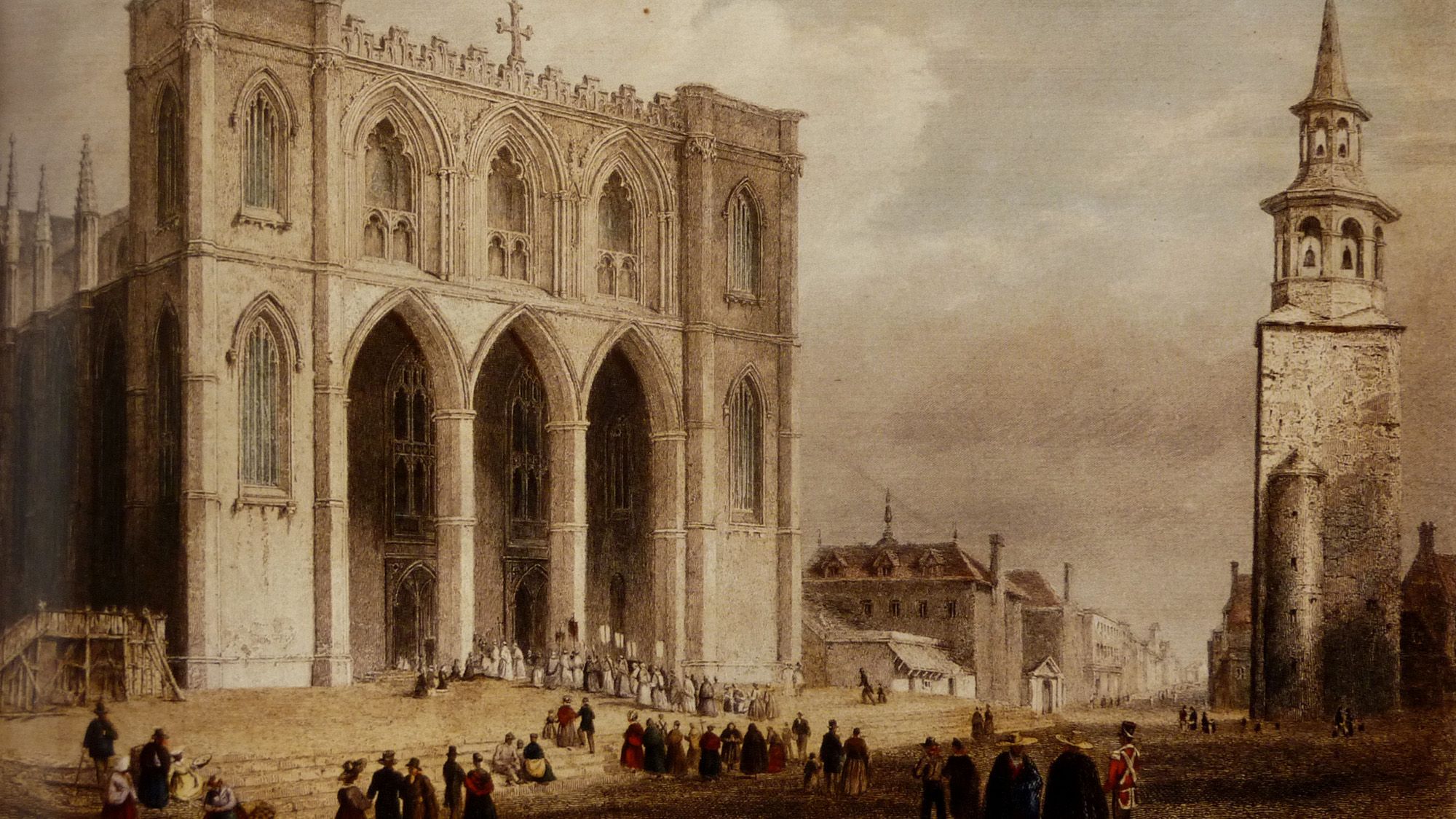
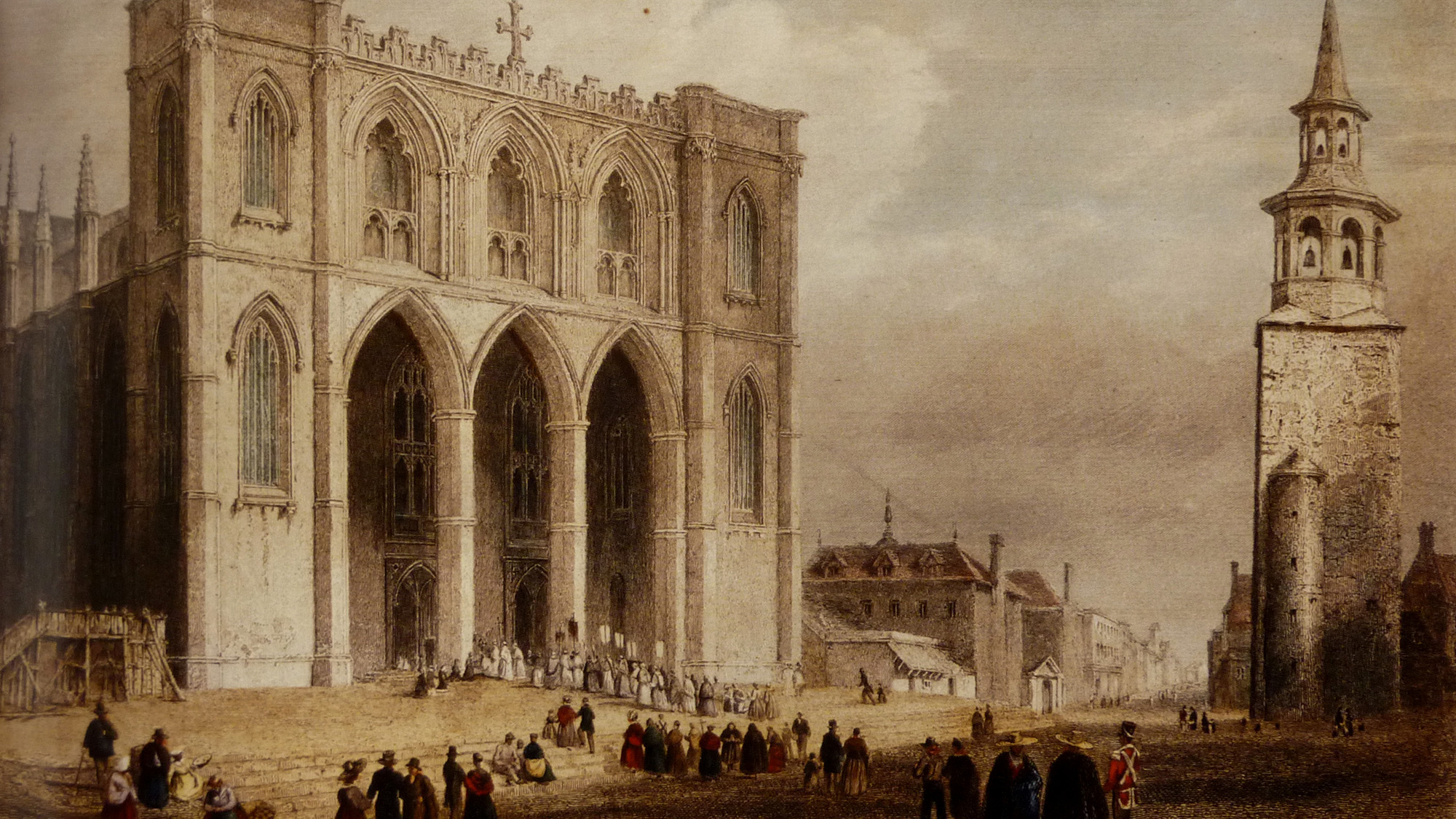
Notre-Dame Cemetery was established in Montreal in 1683 and used for Catholic burials until 1796. Earlier examinations of the skeletons had left experts divided over whether the people buried there included Indigenous, European, African or mixed-ancestry individuals. The new genetic analysis was intended to address that uncertainty directly.
Comparing genomes across populations
Diane Martin-Moya, a biological anthropologist at the University of Quebec in Trois-Rivières, led the work with colleagues. The team sequenced DNA from 45 people buried at Notre-Dame Cemetery and compared their genomes with those of people from Europe, West Africa and Indigenous groups in the Americas.
The result was consistent across the sampled burials: French European ancestry, without evidence of recent Indigenous or African admixture. Martin-Moya said the ancient DNA showed no such recent ancestry in the 45 individuals analyzed.
That conclusion bears on a longstanding disagreement about the cemetery’s population. It also provides a genetic line of evidence alongside archaeological and historical interpretations of the site. The research does not establish that Indigenous and African people were absent from early Montreal. Rather, it indicates that they were not represented in the analyzed group of burials at this particular Catholic cemetery.

A challenge to popular family narratives
Stories of an Indigenous ancestor are common in Quebec family histories, Martin-Moya said. She also said that commercial genealogy and DNA testing have amplified those claims. The cemetery findings, however, suggest that at least one early colonial burial population was more genetically homogeneous than some popular narratives might imply.
The distinction matters because ancestry claims can have consequences beyond private family history. Martin-Moya cautioned that distant or claimed Indigenous identities can undermine the rights, resources and recognition of Indigenous nations. The study therefore enters a sensitive area where genetic evidence, community identity and the history of colonial power overlap.
Its conclusion should be read with care. The analysis speaks to recent ancestry detectable in the individuals examined and to the cemetery’s sampled population. It does not settle every question about relationships among Indigenous peoples, French colonists and other communities in colonial Quebec. Nor does it turn genetics into a substitute for the legal, cultural and political dimensions of Indigenous identity.
What the cemetery may indicate about social exclusion
The authors say the findings may point to marginalization of people descended from Indigenous and African populations in early Montreal. If those communities were present but not represented in a Catholic cemetery used during this period, the burial record itself may reflect unequal access to religious or civic institutions.
That interpretation shifts the focus from a simple question of whether early colonists intermarried to a broader one: whose lives and deaths entered the official records and spaces that have survived for later study? A cemetery can be a rich archaeological archive, but it is never a complete census of the society around it.
The research is therefore valuable both for what it finds and for the limits it makes visible. It uses DNA to clarify the ancestry of a defined group of 45 people, while raising further questions about people who may have been excluded from that group, from the cemetery or from the documentary record.

Evidence with a defined scope
Ancient-DNA studies can reshape historical narratives, especially when they address remains whose identity has been uncertain. Here, the genetic findings resolve a specific question about Notre-Dame Cemetery more firmly than prior skeletal assessments alone could. The evidence supports French European ancestry for the individuals analyzed and finds no recent Indigenous or African admixture among them.
For the history of Montreal, the study does not close the book on colonial relationships. It offers a more precise account of one burial ground and asks historians, archaeologists and the public to reconsider what familiar origin stories leave out. The next step is not to make a broader claim than the data allow, but to connect this carefully bounded genetic record with the wider social history of early Quebec.
This article is based on reporting by Live Science. Read the original article.
Originally published on livescience.com



