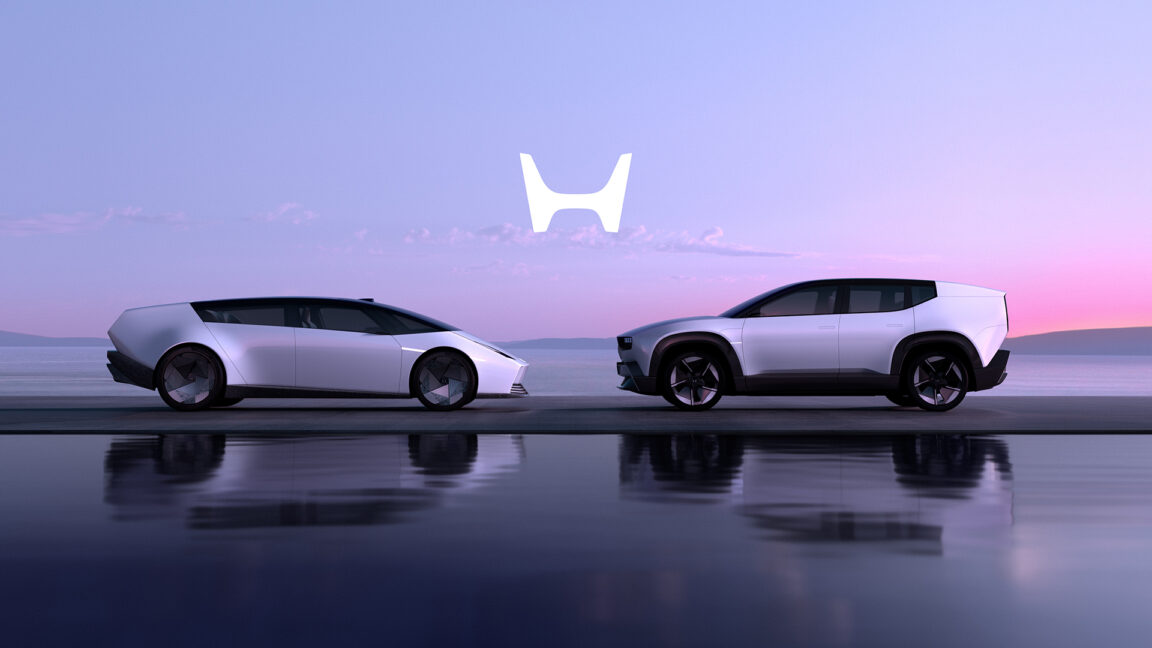
A Strategic Retreat on Electrification
Honda has abruptly cancelled plans for three electric vehicles slated for production at its US manufacturing facilities, marking one of the most significant EV pullbacks by a major automaker this year. The decision reflects the increasingly hostile business environment facing traditional automakers trying to compete in the electric vehicle market while managing profitable combustion engine businesses.
The cancelled models were part of Honda's ambitious electrification roadmap announced in 2022, when the company pledged to launch 30 EV models globally by 2030 and invest approximately $40 billion in the transition. That roadmap is now being dramatically redrawn as market realities force a more cautious approach.
Three Forces Driving the Decision
Honda cited a confluence of factors that collectively undermined the business case for the three US-built EVs. The most immediate pressure comes from the current tariff regime, which has increased costs for components and materials sourced from overseas suppliers. EV production is particularly exposed to tariff impacts because of the complex global supply chains for batteries, electric motors, and power electronics.
The rollback of US emissions regulations has also altered the calculus. Stringent emissions standards were a key driver of EV investment because they effectively required automakers to sell increasing numbers of zero-emission vehicles to meet fleet-average targets. With those mandates relaxed, the regulatory push toward EVs has weakened considerably.
Perhaps most significantly, Honda acknowledged the intensifying competition from Chinese EV manufacturers, which have achieved cost advantages that legacy automakers struggle to match. Chinese companies like BYD have driven battery and vehicle costs down through massive domestic supply chains, economies of scale, and years of government subsidies.

Impact on US Manufacturing
The cancellation raises questions about the utilization of Honda's US manufacturing footprint, which includes major facilities in Ohio, Indiana, and Alabama. The company has said it will repurpose some of the capacity earmarked for the cancelled EVs toward other models, including hybrid vehicles that combine electric motors with traditional engines.
Honda's pivot toward hybrids aligns with a broader industry trend. Several major automakers have recently shifted investment from pure battery-electric vehicles toward hybrid and plug-in hybrid models, which are proving more popular with consumers who want improved fuel efficiency without the range anxiety associated with fully electric vehicles.
The company had been actively investing in its US production capabilities for EVs, including a joint venture with LG Energy Solution to build a battery plant in Ohio. That facility remains under development, though its production timeline may be adjusted to reflect Honda's revised strategy.
A Global EV Slowdown
Honda is far from alone in pulling back. The past year has seen a wave of EV cancellations, delays, and strategy revisions across the global auto industry. Ford has repeatedly scaled back its EV investment plans, General Motors has delayed several models, and Stellantis recently took massive write-downs on its EV investments. European automakers including Mercedes-Benz and Volkswagen have similarly tempered their electrification timelines.
The common thread is a mismatch between the industry's aggressive EV investment plans, many made during a period of high EV growth rates and strong government incentives, and the more challenging market conditions that have since emerged. EV sales growth, while still positive in most markets, has decelerated significantly. In the US, EVs still represent less than 10 percent of new vehicle sales.
Consumer adoption has been slowed by high vehicle prices relative to comparable combustion models, insufficient public charging infrastructure in many regions, and persistent concerns about battery longevity and resale values.
What Comes Next for Honda
Honda has emphasized that it remains committed to electrification as a long-term goal even as it adjusts the pace and scope of its near-term plans. The company is shifting resources toward its partnership with General Motors on next-generation EV platforms, which aims to achieve cost parity with combustion vehicles through shared development and manufacturing scale.
The company is also doubling down on hybrid technology, where it has decades of experience dating back to the original Insight. Honda believes hybrids will serve as a bridge technology for the next decade, allowing it to reduce fleet emissions while developing more cost-competitive pure EVs for the longer term.
For consumers interested in Honda EVs, the immediate outlook means fewer choices. The Prologue SUV, co-developed with General Motors, remains available, but the three cancelled models would have significantly expanded Honda's electric portfolio. When or whether replacement models will materialize remains tied to the broader evolution of the EV market, trade policy, and the competitive landscape.
This article is based on reporting by Ars Technica. Read the original article.
Originally published on arstechnica.com