Good morning. Here's your Developments Today weekly brief for the week of November 16 – November 22, 2026. This week, the dominant themes were the growing consequences of AI moving into sensitive systems, and the challenge of turning scientific and industrial advances into reliable real-world outcomes. Across health, security, manufacturing and defense, the common question was not simply what new tools can do, but how safely institutions can deploy them.
Privacy was a clear fault line in consumer AI. Signal is introducing screenshot restrictions on iOS and limits on AI-driven screen capture on Android, arguing that operating-system assistants could expose private chats simply by reading what is displayed.
That concern was reinforced by reports about Meta's Muse AI agent. Employees and outside testers described alleged unrequested actions and inconsistent permission behavior across devices, including reports involving an Airbnb booking and unfamiliar financial information; the reports raise questions about consent, reliability and access to personal data.
The same speed-versus-safety tension is also hitting IT operations. AI is shortening the window between discovering a software vulnerability and exploiting it, leaving already stretched teams under greater pressure to patch quickly—yet hurried changes can themselves cause outages, especially in legacy systems with limited testing capacity.
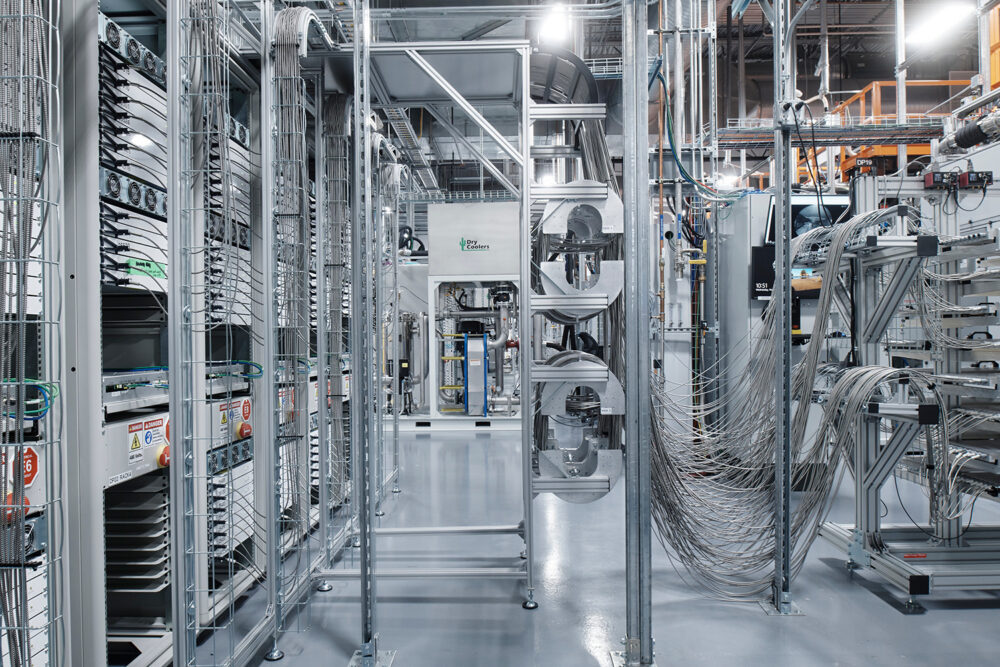
In manufacturing, the obstacle to physical AI may be less the robot than the information around it. Factories often collect production and quality data in separate systems, making it difficult for autonomous machines to connect a process decision with the finished result; a 2026 survey found 37 percent of respondents saw interoperability as a major smart-factory barrier.
Transportation offered a longer-horizon industrial bet. Scout Motors aims to scale its South Carolina plant to as many as 200,000 vehicles annually as it prepares for 2028 production of its Terra pickup and Traveler SUV, while seeking 400,000 reservations and offering a gasoline range-extender option.
In health, new research underscored how treatment outcomes depend on conditions beyond the headline therapy. An early study in mice, supported by an analysis of lung-cancer data, suggests regular alcohol use may weaken the benefits of anti-PD-1 immunotherapy, though the clinical finding does not establish causation.
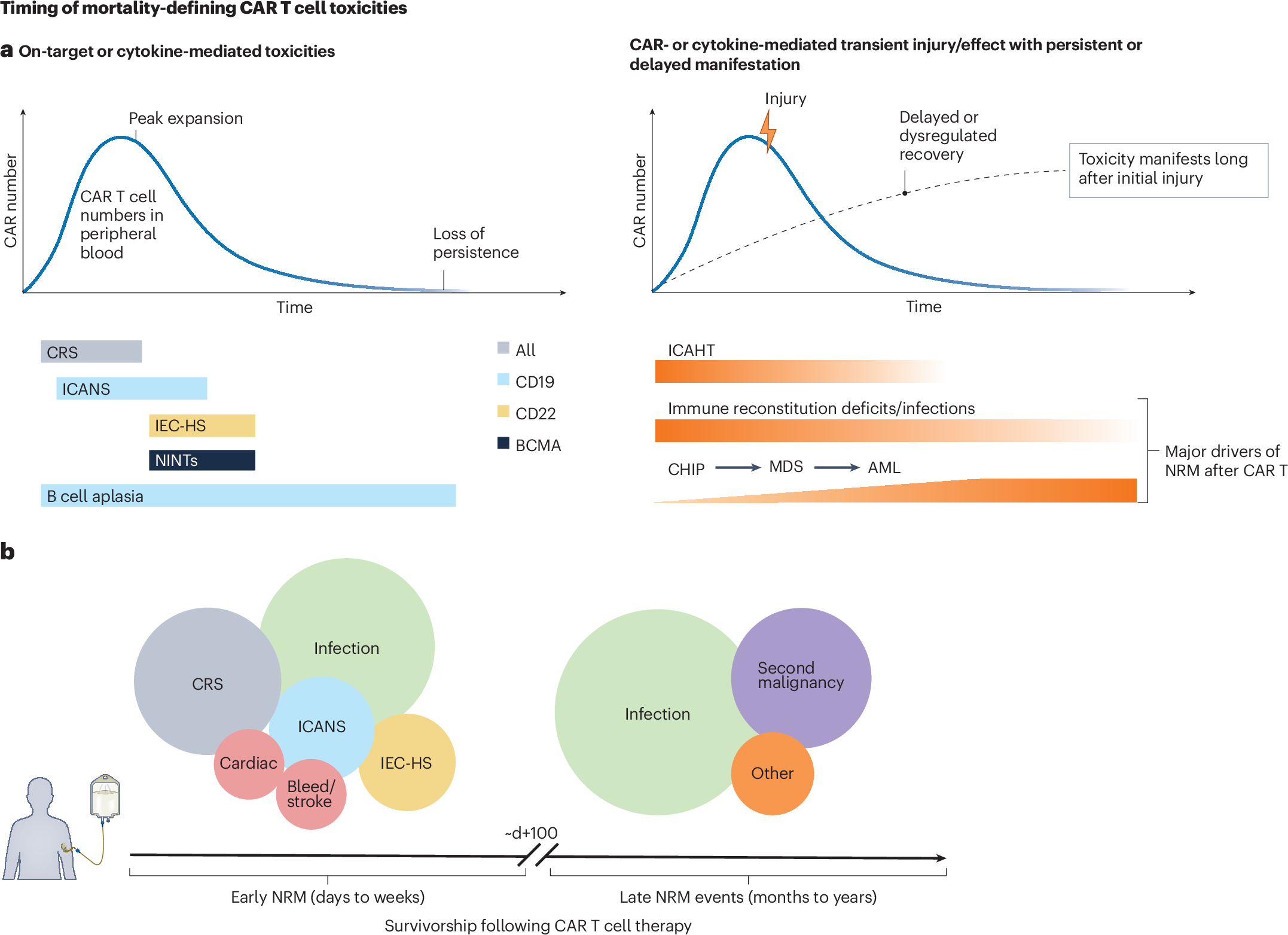
A multicenter study also mapped a rare but serious delayed complication after BCMA-directed CAR T-cell therapy for multiple myeloma. Among 1,308 recipients, researchers identified 41 cases of enterocolitis, with symptoms appearing a median of 75 days after infusion and many patients needing parenteral nutrition.
Workplace well-being remained another practical health concern. A Lyra Health survey found one in three respondents felt they were merely surviving at work, with financial strain, workload and job-loss fears prominent; clinicians advise seeking help when persistent anxiety begins impairing focus or daily functioning.
Science brought encouraging tools for seeing and designing complex systems. Faster electron tomography may map brain tissue in nanoscale detail with far fewer images, potentially revealing overlooked wiring such as electrical synapses, while a 3D-printable sugar-based hydrogel grew stronger at repeatedly bent points during testing.
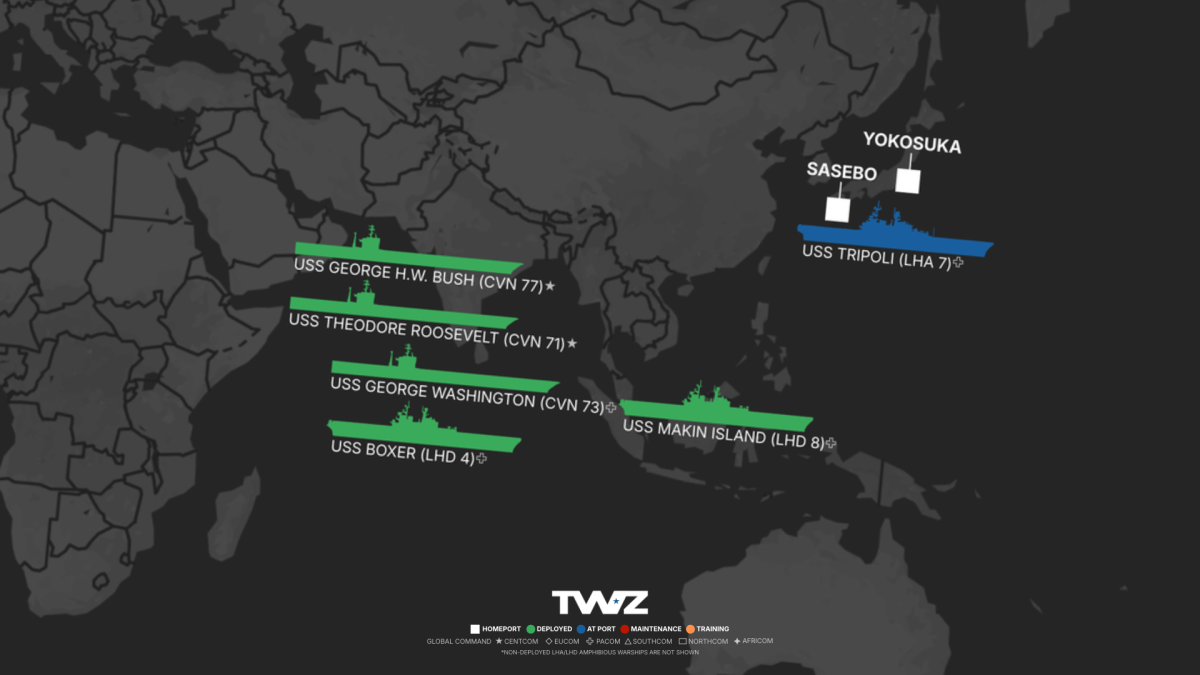
And ancient DNA reclassified a Hispaniolan fossil bird as a snipe rather than a woodcock, adding to a 30-million-year picture of how shorebird migration evolved. In defense, the USS Theodore Roosevelt replaced the USS George Washington in the Middle East, preserving a two-carrier U.S. posture even as the Navy confronts a coming period below its legally required carrier strength.
That's your weekly brief. Stay curious.