A relação de treinamento entre a Ucrânia e a OTAN está mudando de direção
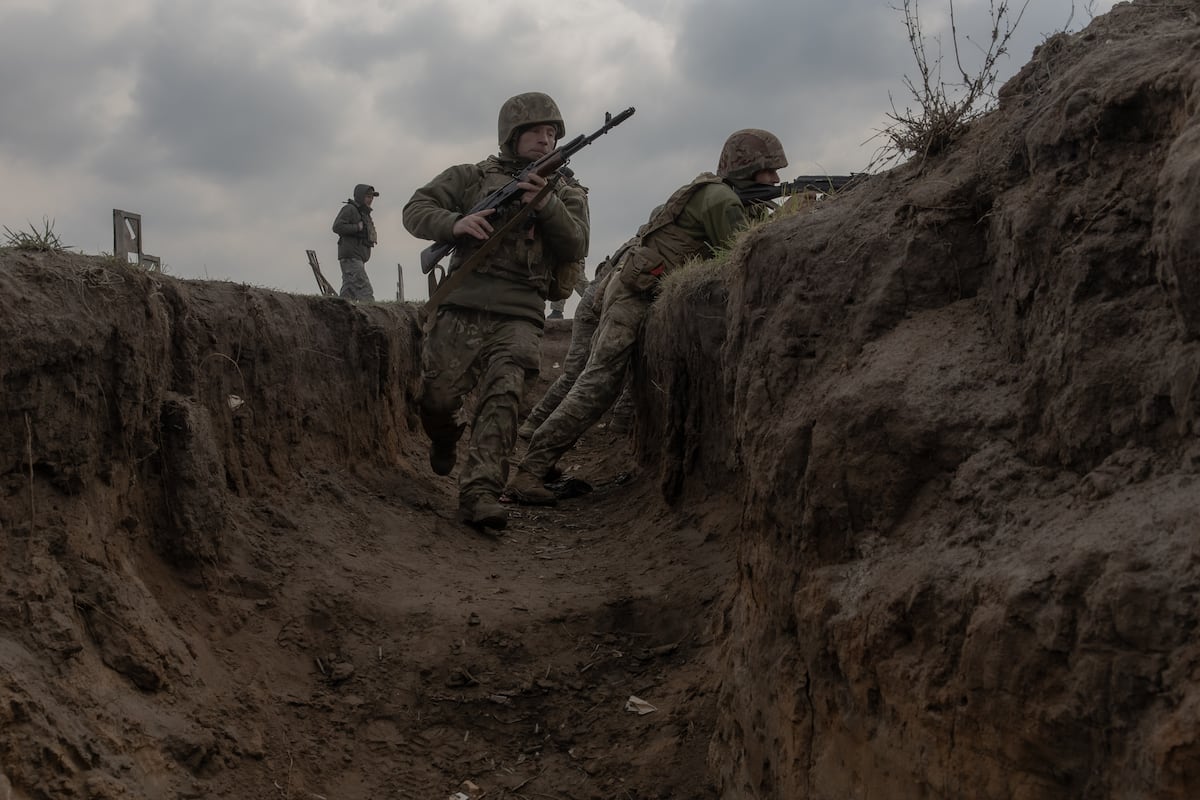
Durante grande parte da guerra, os militares ocidentais treinaram as forças ucranianas no exterior. Agora esse fluxo começa a se inverter. A Defense News informa que a Ucrânia planeja encerrar gradualmente o envio de tropas ao exterior para o treinamento básico, enquanto continua com cursos mais especializados fora do país, e que está cada vez mais exportando suas próprias lições do campo de batalha para os países da OTAN.
A mudança foi delineada por Yevhen Mezhivikin, vice-chefe da Diretoria Principal de Doutrina e Treinamento do Estado-Maior, que disse que muito do que os exércitos ocidentais ensinam é “desconectado da nossa realidade”. O plano é transferir todo o treinamento básico integralmente para o solo ucraniano, preservando o treinamento no exterior para necessidades mais especializadas.
A adaptação na linha de frente se tornou um ativo estratégico da Ucrânia
A razão mais profunda dessa reversão é a credibilidade conquistada sob combate prolongado. A Defense News diz que o Comandante Supremo Aliado de Transformação da OTAN, almirante Pierre Vandier, chamou a adaptação ucraniana em tempo de guerra de “uma das lições mais fortes” para a aliança e reconheceu que a Rússia atualmente está superando a OTAN na absorção dessas lições. Sua conclusão foi direta: a aliança precisa agir mais rápido.
Essa admissão ajuda a explicar por que os militares aliados já não tratam a Ucrânia apenas como receptora de apoio de treinamento. As forças ucranianas acumularam experiência prática em guerra de drones, táticas contra UAS, integração de guerra eletrônica e tomada de decisão na linha de frente sob pressão constante de um adversário de mesmo nível. São áreas que a OTAN estudou em sua doutrina, mas não nas mesmas condições de combate contínuo e em larga escala.
A exportação de know-how já está em andamento
Isso não é apenas uma mudança retórica. A Defense News informa que Kiev enviou este mês assessores militares à Alemanha para ensinar guerra de drones, táticas contra UAS e integração de guerra eletrônica em escolas do exército alemão. A Alemanha é descrita como o primeiro membro da OTAN a convidar formalmente instrutores ucranianos para seu próprio sistema de educação militar.
O tenente-general Christian Freuding, chefe do exército alemão, disse à Reuters que as expectativas são altas porque os militares ucranianos são atualmente os únicos no mundo com experiência de primeira linha contra a Rússia. Essa declaração mostra por que o papel da Ucrânia está mudando. Ela não está apenas aprendendo padrões da OTAN. Está ajudando a atualizá-los.
O treinamento básico retorna às condições de guerra
Trazer o treinamento básico de volta para a Ucrânia também reflete a visão de que a preparação fundamental deve acontecer no contexto em que os soldados realmente vão lutar. A reclamação de Mezhivikin de que parte da instrução ocidental está desconectada da realidade do campo de batalha sugere que a Ucrânia quer recrutas moldados mais cedo por doutrina nacional, táticas atuais e pelas exigências do ambiente operacional da guerra.
O porta-voz militar Dmytro Lykhovii esclareceu depois que o treinamento no exterior não foi cancelado, apenas reduzido. Essa nuance importa. A Ucrânia não está rejeitando o apoio dos aliados. Está realocando quais tipos de treinamento devem ficar no exterior e quais devem ser enraizados em casa.
O resultado é um modelo mais seletivo. Os cursos externos especializados continuam valiosos, mas a instrução básica está sendo recuperada como algo que precisa estar diretamente sincronizado com as realidades atuais do combate dentro da Ucrânia.
A aliança é forçada a aprender em duas direções
Essa inversão de papéis é um desenvolvimento importante tanto para a OTAN quanto para a Ucrânia. במשך anos, o modelo da aliança era ensinar os exércitos parceiros segundo a doutrina ocidental e as melhores práticas institucionais. A experiência de batalha da Ucrânia agora complica essa hierarquia. Em algumas áreas críticas, a guerra gerou conhecimento dentro da Ucrânia mais rápido do que a OTAN conseguiu absorver.
A Defense News relaciona isso diretamente às operações com drones e à guerra eletrônica, domínios em que os ciclos de adaptação são curtos e o retorno do campo de batalha é imediato. Um exército que muda semanalmente em resposta a ataques reais pode desenvolver percepções práticas mais rápido do que uma aliança estruturada em torno de ciclos mais lentos de aquisição e revisão doutrinária.
Isso não significa que a OTAN esteja obsoleta. Significa que a relação está se tornando mais recíproca. A Ucrânia ainda precisa de material, financiamento e apoio especializado em treinamento dos aliados. Mas os aliados cada vez mais precisam da contribuição ucraniana sobre o que funciona contra a Rússia agora, e não sobre o que a teoria previu anos atrás.
Uma instituição de guerra começa a moldar a ordem militar do pós-guerra
O significado estratégico dessa mudança vai além da logística do treinamento. Se a Ucrânia se tornar uma fonte formal de instrução militar para membros da OTAN, mesmo em áreas selecionadas, ela começará a remodelar o fluxo intelectual da aliança. Práticas testadas em combate na Ucrânia podem influenciar como a Europa prepara a dissuasão, como os exércitos constroem doutrina de drones e como os comandos pensam em operar perto da linha de frente.
Isso torna a mudança simbólica e prática ao mesmo tempo. A Ucrânia não está apenas se defendendo. Está se tornando uma produtora de conhecimento militar dentro do sistema de segurança euro-atlântico.
A Defense News descreve o desenvolvimento como uma inversão de papéis, e isso está exatamente certo. O Ocidente passou anos treinando a Ucrânia. Em 2026, a Ucrânia está cada vez mais treinando o Ocidente sobre como a guerra moderna está realmente sendo travada.
Este artigo é baseado na reportagem da Defense News. Leia o artigo original.
Originally published on defensenews.com